Luxury Market Shrinks for the First Time in 15 Years
First Since the Financial Crisis
Impact of Economic Uncertainty and China's Economic Slowdown
This year, as macroeconomic uncertainty grows and the Chinese economy significantly slows down, a survey revealed that the personal luxury goods market is shrinking for the first time since the 2008 financial crisis.
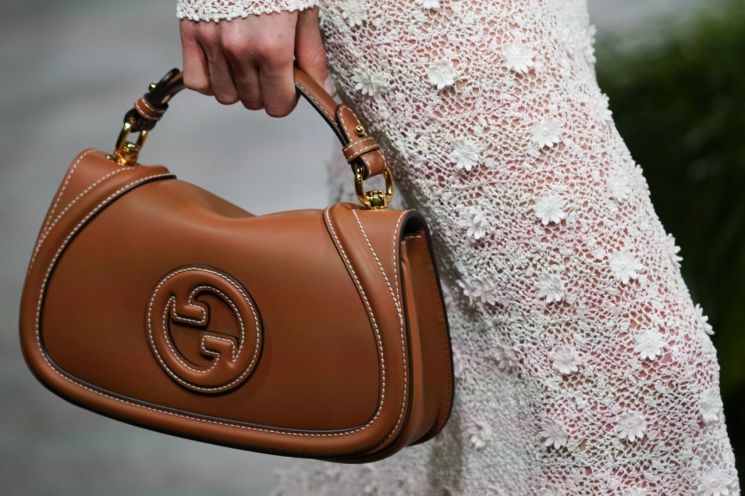
According to CNBC on the 13th (local time), Bain & Company released its annual luxury report containing this information.
According to the report, shoppers are reducing luxury consumption this year, leading to decreased corporate earnings, and the luxury market growth rate is expected to contract by about 2% this year. Excluding the COVID-19 pandemic period, CNBC stated that this is the first slowdown in luxury demand in 15 years.
Total luxury spending this year is expected to remain at a similar level to last year, around 1.5 trillion euros.
In the earnings reports of major luxury brands this year, concerns about global economic uncertainty and inflationary pressures were commonly repeated. In particular, the weakening demand from China had a significant impact.
All major companies, including LVMH (Louis Vuitton Mo?t Hennessy), the number one company in the luxury industry, as well as Burberry and Kering, the parent company of Gucci, recorded sluggish sales. The Richemont Group, the parent company of Cartier, which was considered an exception to the luxury sector's downturn, also reported a 1% decrease in sales in the first half of the year. This is due to the weakening demand from China.
Bain & Company stated, "Mainland China is experiencing a deepening recession as domestic demand decreases." However, while the weak Chinese market may place a greater burden on the luxury market by 2025, it is expected to gradually recover from the second half of next year. This year, luxury demand in Europe and the United States showed signs of gradual recovery. Additionally, favorable exchange rates led Japan to drive demand. Bain & Company predicted that unless there is a major economic headwind next year, the luxury sector will see slight growth.
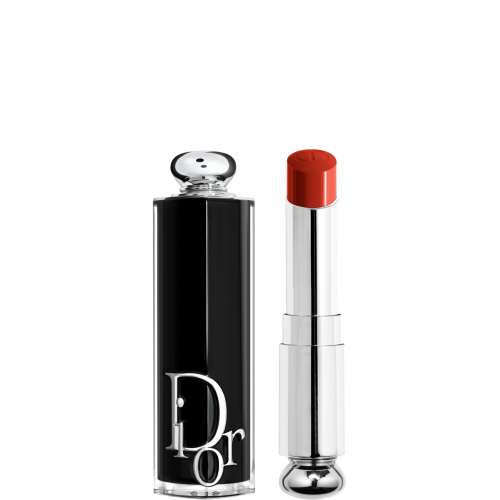
In this year's luxury market, growth was notable in sectors such as luxury automobiles, hotels, wine, and restaurants, rather than traditional items. Sales of items like eyewear and cosmetics also increased. The report explained that this is because consumers chose "small luxuries" rather than large purchases.
Meanwhile, Bain & Company said that luxury brands need to make greater efforts to capture Generation Z consumers. Claudia D'Arpizio, a partner at Bain & Company, stated, "In the past two years, 50 million luxury consumers have left the market. This is a signal that brands need to adjust their value propositions," adding, "Especially to regain younger customers, brands must be creative and expand the topics of conversation."
© The Asia Business Daily(www.asiae.co.kr). All rights reserved.


















