Post-Election Stress Disorder (PESD) as Severe as PTSD After an Election Held Under Extreme Tension
Despair and Fear Cause Serious Stress
Republican candidate Donald Trump’s victory once again in the 2024 U.S. presidential election has left those who did not support him in shock. It is practically a panic. Not only voters who supported the Democratic Party and candidate Kamala Harris but also celebrities who backed Harris have fallen into despair.
Rapper Cardi B, who openly supported Harris, posted a video expressing her distress on social media after the election. Actress Jamie Lee Curtis also wrote, "For some, this definitely means a return to a fearful era," adding, "Many people fear having their rights infringed upon and being rejected."
Some women who viewed this election as a matter of women’s rights and reproductive freedom are reportedly turning their attention to a radical feminist movement from Korea called ‘4B.’ The ‘4B (Bi·非)’ movement advocates for ‘no dating, no sexual relations, no marriage, and no childbirth.’
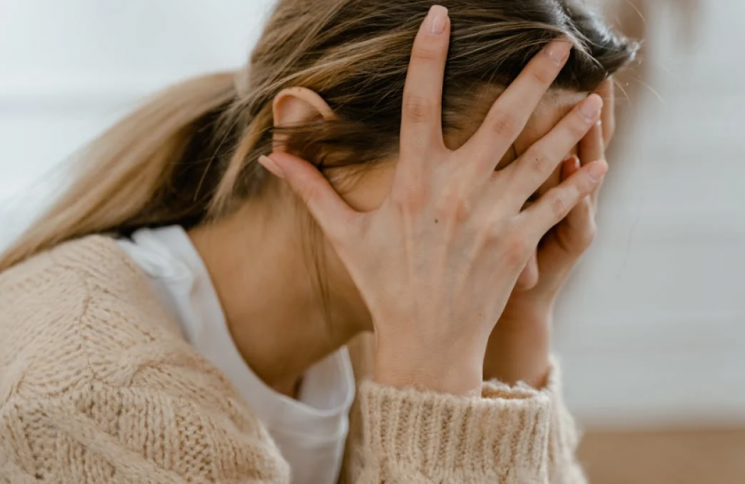
Presidential elections are held under extreme tension for both candidates and voters. Because of this, some people experience physical and mental health warning signs such as anxiety, depression, and headaches after the election. In the U.S., this is referred to as Post-Election Stress Disorder (PESD), a play on Post-Traumatic Stress Disorder (PTSD). The term gained popularity after the 2016 U.S. presidential election and was widely discussed throughout the 2020 election.
Post-election stress is related to anxiety characterized by despair or fear following an important political election. In fact, a survey conducted in the U.S. after the 2020 election showed that 68% of American adults, regardless of political affiliation, felt that the presidential election caused significant stress in their lives. PESD often occurs after presidential elections but can apply to any election in which an individual feels emotionally invested. People with little or no interest in politics may not experience this type of stress. Instead, it may be due to changes in the political climate, characterized by polarized views and frequent personal connections to political beliefs. Some individuals may take election results personally, while others may be stressed about what those results could mean for changes in the country’s laws.
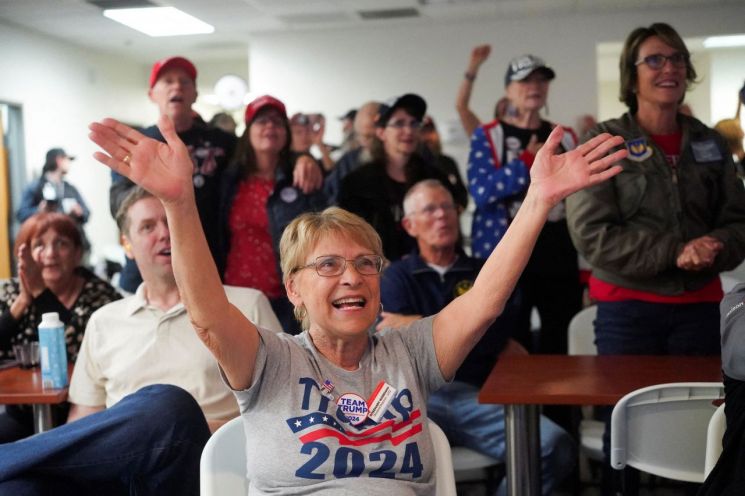
Several factors contribute to the increasing intensity of post-election stress compared to before. First, real-time election news, along with the mix of facts and misinformation on social media and 24-hour news channels, causes stress. Additionally, even individuals who do not participate in politics can be affected by the stressful political atmosphere as friends, family, and colleagues discuss their views at work, home, or school. This is also linked to growing concerns about the country’s future.
The mental health platform BetterHelp stated, "The COVID-19 pandemic, healthcare, racial discrimination, economic crises, climate change, and laws related to transgender rights frequently dominate the news," adding, "While staying connected to national news can be valuable for some, following these connections and daily events can negatively impact an individual’s mental and physical health."
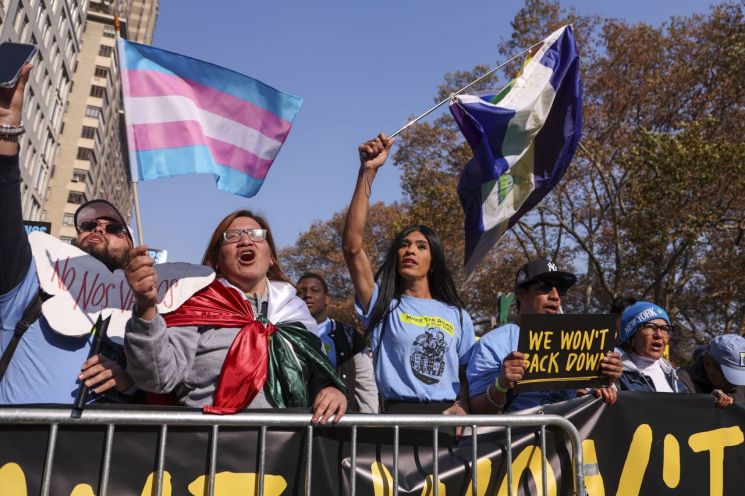
BetterHelp lists symptoms of post-election stress disorder as ▲despair ▲constant worry ▲forgetfulness ▲heart palpitations ▲excessive sweating ▲stomach upset ▲headaches ▲lack of energy ▲insomnia ▲irritability ▲tinnitus ▲muscle pain, advising that if any of these symptoms persist for more than two weeks, one should consult a doctor.
To overcome post-election stress, it is recommended to take a break from election-related social media and news for a day or two. If you feel powerless because a party you do not support won the election, you can find solace by participating in local political activities or volunteering for political organizations. You do not need to run for office, but you can engage in grassroots activities related to the issues you feel most strongly about. Yoga, meditation, or mindfulness are also beneficial. Using apps that guide meditation practice can be helpful. You can try meditation anytime?before going to sleep at night or in the morning before work or school.
© The Asia Business Daily(www.asiae.co.kr). All rights reserved.



















