Cold Wave Measures to Be Implemented for 4 Months Until March Next Year
Emergency Public Transportation Operation Activated for Heavy Snow Preparedness
Emergency Medical System Established to Ensure Citizen Safety
Seoul City is implementing the '2024 Winter Comprehensive Measures' covering four areas: cold wave, snow removal, safety, and daily life, in anticipation of an unprecedented cold wave this winter. Special focus will be placed on managing vulnerable groups such as residents of jjokbangchon (tiny room villages), homeless people, and elderly living alone.
On the 12th, Seoul City announced that the winter comprehensive measures, which include expanded support for heating supplies, kerosene, and food for jjokbangchon residents, as well as energy vouchers that can be used to purchase and use electricity and city gas, will be in operation from the 15th of this month until March next year.
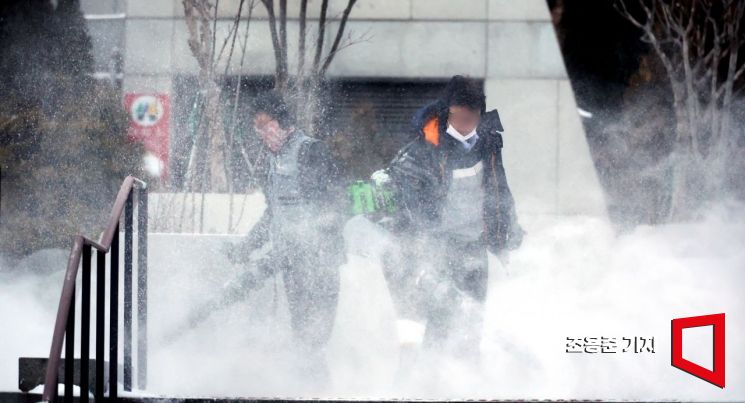
First, customized support for vulnerable groups such as jjokbangchon residents and homeless people will be strengthened according to the target and situation. A rapid response system will be established through real-time cold wave situation management, and a thorough prevention and recovery system for water meter freezing will also be put in place.
In particular, support for heating supplies, kerosene, and food will be expanded by 110 million KRW compared to last year. The operation of companion bathhouses, which serve as shelters to escape the cold nights, will also be expanded. For low-income groups who find it difficult to afford heating costs during winter, energy vouchers that can be used to purchase and use heating energy sources such as electricity and city gas will be provided.
The number of personnel managing homeless people, who are directly hit by the cold wave, will be more than doubled from the usual 53 to a maximum of 124. The frequency of street counseling and patrols will also increase from 4-6 times a day to up to 10 times a day to ensure the safety and health of homeless people. Additionally, free meals will be provided daily to about 1,900 people through homeless welfare facilities, and the maximum daily capacity for emergency shelters will be increased from 307 to 675.
To enable rapid recovery from frequent water pipe freezing and burst damage during winter, a 'Water Pipe Freezing Countermeasure Situation Room' will also be operated. For 15,000 aging corridor-style apartment units vulnerable to freezing, 300,000 insulation materials will be installed as part of the ongoing water meter freezing prevention project.
Seoul will respond quickly and effectively to snowfall and heavy snow to minimize inconvenience to citizens' daily lives. To this end, a 24-hour 'Disaster Safety Countermeasure Headquarters' composed of Seoul City, autonomous districts, six road business offices, and the Seoul Facilities Corporation will be operated. Under normal conditions, a situation control team will monitor weather and manage situations, and additional teams and personnel for traffic, facility recovery, and rescue will be deployed according to snowfall stages for systematic response.
A 'Snowfall Image Transmission System' capable of detecting snowfall signs in advance will also be introduced. To respond swiftly to sudden heavy snow, 107 snow removal vehicles, 884 snow removal equipment units, and about 70,000 tons of snow removal agents have been secured across business offices, autonomous districts, and the Seoul Facilities Corporation to ensure thorough preparedness. An 'Emergency Transport Plan by Disaster Stage' has also been prepared. During the snow removal stage 2, such as a heavy snow advisory, bus and subway services during peak commuting hours and last train times will be extended by 30 minutes, and during snow removal stage 3, such as a heavy snow warning, the extension will be 60 minutes.
In jjokbangchon, where building density is high and facilities are outdated, a 'Smart Electric Fire Prevention System' that detects electrical abnormalities will be installed to prevent fires at the source. By December this year, 1,155 IoT sensors detecting electrical abnormalities will be installed in 84 buildings in Donu-dong jjokbangchon, and 24-hour real-time monitoring will detect overcurrent and overload early. In addition, a winter emergency medical system will be established by linking the Seoul Comprehensive Disaster Prevention Center with 69 emergency medical institutions, and a 'Disaster Medical Support Team' composed of doctors, nurses, and pharmacists will be activated to prepare for mass patient occurrences.
Kim Tae-gyun, Director of Planning and Coordination at Seoul City, said, "We will help Seoul citizens have a safe and warm winter through thorough planning, operation, and rapid response," adding, "We will implement Seoul City's administrative philosophy of walking together with the vulnerable by providing detailed and extensive support to those most affected by the cold wave."
© The Asia Business Daily(www.asiae.co.kr). All rights reserved.

















