'Stool Milkshake' Helps Microbial Diversity
"Never Try This at Home," Warn Experts
"Further Research Needed," Some Claim
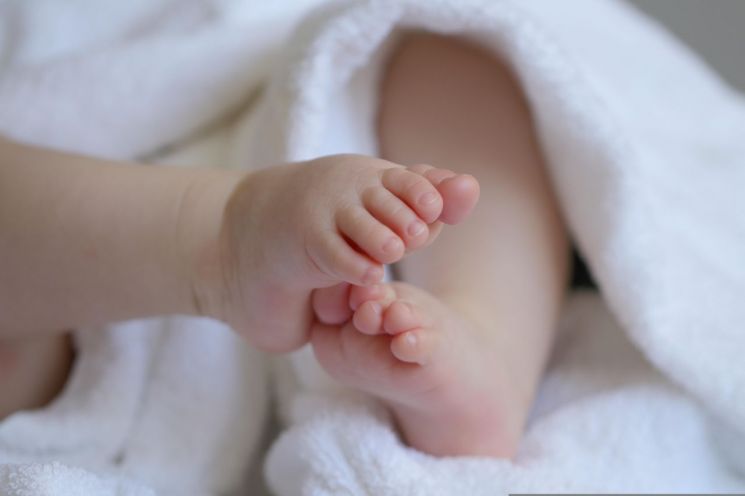
A study has found that feeding babies born via cesarean section with milk mixed with a small amount of their mother's feces can be beneficial to their health.
At the annual meeting of the Infectious Diseases Society of America (IDSA) held on the 18th of last month, infectious disease experts from Helsinki University Hospital in Finland presented research results on the so-called "fecal milkshake." The "fecal milkshake" refers to milk made by mixing the mother's feces with breast milk or regular milk. According to the report, Dr. Otto Helve's team, head of the Public Health Department at the Finnish Institute for Health and Welfare, conducted an experiment involving 90 women scheduled for cesarean sections at Helsinki University Hospital. The research team provided milk mixed with 3.5 mg of feces from the mother to the baby during the first feeding. For comparison, 15 babies were given this fecal shake, while another 16 were given a placebo.
The research team stated, "Analysis showed that the microbial diversity of the two groups was similar immediately after birth, but after some time, a significant difference appeared between the babies who consumed a small amount of feces and those who did not." They added, "This difference persisted until six months of age after the babies started eating solid foods." The experiment is ongoing, and the team plans to monitor the babies' health for a total of two years. However, they emphasized, "Hospitals can thoroughly test the mothers' feces for pathogens that could cause diseases in newborns, but this is not possible at home," and warned, "Individuals should never attempt this method on their own."
Additionally, they noted, "Babies born via cesarean section are known to have a higher risk of asthma, digestive inflammation, and immune-related diseases compared to those born through natural delivery." They also highlighted that "because cesarean-born babies are not exposed to the mother's vaginal and gut microbiota, their intestinal bacterial distribution differs from that of naturally born babies."
However, some expressed skepticism about this study. Dr. Jan Xiao, a microbiologist at the Wellcome Sanger Institute, stated that the study's effects cannot be fully trusted. He pointed out that there was no direct comparison with naturally born babies and said, "Additional research directly comparing how effective the 'fecal milkshake' is for establishing a healthy gut microbiome is necessary."
© The Asia Business Daily(www.asiae.co.kr). All rights reserved.

















