Concerns Over Aftershocks from 6th Largest Global Scale
Zinc Prices Rise Due to Increased Smelting Fees
Yeongpung Group's Seokpo Smelter, ranked 6th in the world in zinc smelting, will have a significant impact on the global zinc market as its two-month suspension of operations has been confirmed. There are immediate concerns that smelting fees will rise, driving up zinc prices. The market is already experiencing a 'backwardation' phenomenon, where the spot price of zinc is trading higher than the three-month futures price.
According to the Financial Supervisory Service's electronic disclosure on the 3rd, Yeongpung's suspension of operations at the Seokpo Smelter for '1 month + 30 days' was confirmed by the Supreme Court on the 1st due to administrative sanctions related to wastewater discharge violations of the Water Environment Conservation Act. Previously, in 2019, Gyeongsangbuk-do had issued an administrative suspension order for the wastewater discharge incident at the Seokpo Smelter.
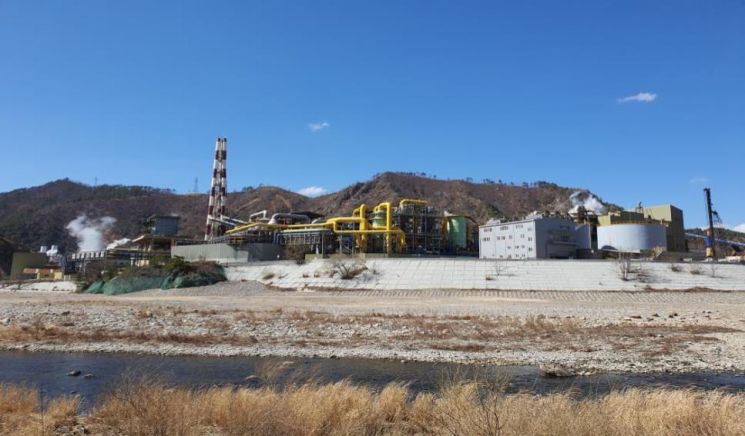
Even after operations resume following the suspension, it is expected to take considerable time to normalize and produce high-purity zinc ingots. In 2021, Yeongpung was suspended for 10 days due to violations of the Water Environment Conservation Act, which also resulted in a lengthy downtime. The industry expects that, in addition to the suspension period, the preparation for shutdown and the time required for restarting operations will make normal operations impossible for about four months.
This will inevitably cause a major disruption in the global zinc supply. The Seokpo Smelter produces approximately 325,000 tons annually, about 2.4% of the world's zinc production. Currently, zinc is trading at around $3,000 to $3,200 per ton, with LME (London Metal Exchange) inventories hovering around 250,000 tons.
Since the end of last year, zinc demand has decreased due to economic slowdowns in China and Europe, resulting in high inventory levels. Consequently, mining companies have reduced concentrate supply, making it difficult for smelters to secure raw materials, and zinc smelting fees have fallen sharply, putting pressure on major smelters to cut production.
However, with the suspension of operations at the Seokpo Smelter, smelting fees are expected to rise, pushing zinc prices higher. Smelting fees are the smelting margin paid by mining companies supplying concentrates to smelting companies. If the Seokpo Smelter ceases operations, mining companies will have one less smelter to sell their concentrates to.
As a result, Korea Zinc, the world's largest zinc smelter, is expected to benefit from this. Park Seongbong, a researcher at Hana Securities, said, "If the Seokpo Smelter stops production, domestic zinc supply will become insufficient, which could lead to a rise in zinc prices, benefiting Korea Zinc."
However, Korea Zinc's production stability is a concern due to the prolonged management dispute with Yeongpung and MBK. If Yeongpung and MBK secure management rights, Korea Zinc's technical staff have stated they will leave the company, and the labor union is strongly opposing this. Zinc is used as a plating material to prevent corrosion in steel products used for automotive and home appliance exteriors and construction steel plates, thus affecting the steel, automotive, electrical, and construction industries.
© The Asia Business Daily(www.asiae.co.kr). All rights reserved.

















