The Right Way to Make Rice Snacks, Rejection of Japanese Buyer Proposal
Sungkyung Food Also Gives Up Exporting Seaweed to Japan
Food Company in Trouble After Removing Dokdo from Map
"Then we will refuse."
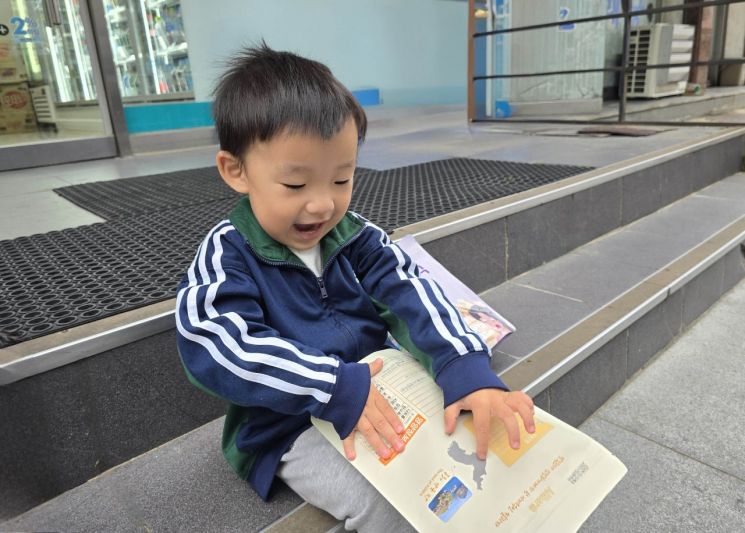 A young child consumer is looking at the picture of Dokdo on the packaging of 'Dokdo Rice Snack'. Photo by GS25
There is a baby snack brand that has recently surged in popularity on mom cafes. It is called 'Olbareum.' Based in Jangseong, Jeollanam-do, Olbareum has been specializing in producing baby snacks using locally sourced organic rice since 2018.
The story behind this company's word-of-mouth success on mom cafes is as follows. Earlier this year, they had a golden opportunity to export to Japan, but the export fell through due to packaging that stated "Dokdo is our land." The buyer suggested using new packaging. However, Kim Jeong-gwang, CEO of Olbareum, refused. The initial order proposed by the buyer was a scale amounting to as much as 10% of the annual sales. Since 2021, Olbareum has included an image of Dokdo on the back of about ten products. CEO Kim said, "I could not sell my pride for the sake of exports."
After this story was publicized through the media, members of mom cafes voluntarily promoted the product, nicknaming it the "Dokdo snack." A relay of "Let's eat to teach them a lesson" and "Donjjul (money + lesson)" campaigns followed, and at one point, orders surged so much that delivery delay notices were posted.
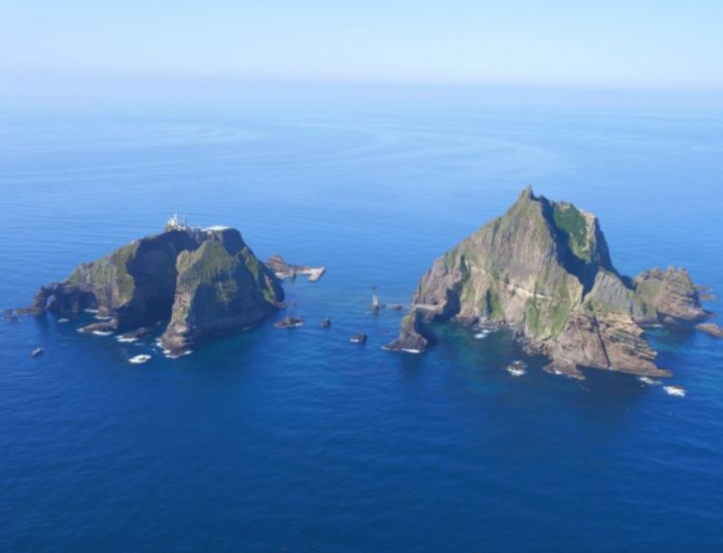
The 25th is Dokdo Day. As Japan's claims over Dokdo's sovereignty have become increasingly blatant, the Dokdo Protection Corps designated Dokdo Day to widely publicize that Dokdo is Korean territory. On this day 124 years ago, in 1900, Emperor Gojong declared Dokdo as an affiliated island of Ulleungdo under Imperial Decree No. 41 of the Korean Empire.
The fact that Dokdo is Korean land is shown in old records such as the Samguk Sagi (1145), Sejong Sillok Jiriji (1454), Paldo Chongdo (1531), and Dongguk Daejeondo (mid-18th century). From Silla's Isabu to Joseon's An Yong-bok, Dokdo has been protected by many. Even now, civilians continue their efforts to safeguard Dokdo.
Besides Olbareum, there is another food company that gave up exporting to Japan because of Dokdo. It is 'Seonggyeong Food.' As Gim (seaweed) gained worldwide popularity, called the "black semiconductor," Seonggyeong Gim opened the export route to Japan in 2021. However, the Dokdo in the Korean Peninsula map symbolizing Seonggyeong Gim became an issue. The export failed after the importer requested to remove the Dokdo image from the packaging and the request was refused. At that time, Yuk Hyun-jin, CEO of Seonggyeong Food, explained, "It is not anti-Japan or aggressive response; it is only natural that Ulleungdo and Dokdo should be on the map."
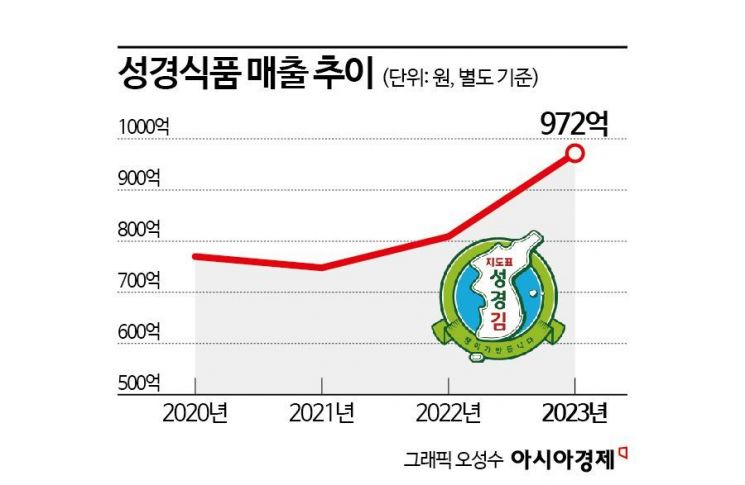
Although exports to Japan failed, Seonggyeong Gim is currently exported to 12 countries worldwide, including the United States, Canada, China, Japan, and Vietnam, riding the wave of K-Gim popularity. Seonggyeong Food's separate sales last year were 97.2 billion won, about a 20% increase from 80.9 billion won the previous year. It is expected to surpass 100 billion won this year. Seonggyeong Food is currently seeking a new owner.
© The Asia Business Daily(www.asiae.co.kr). All rights reserved.



















