Increase Severe Care Proportion to 70% and Reduce General Beds by 15%
"Reducing Mild Patients to Secure Treatment Capacity... Resolving Emergency Room Non-Acceptance Issues"
Eight medical institutions, including Kyungpook National University Hospital, Kyung Hee University Hospital, Korea University Anam Hospital, Ansan Hospital, Guro Hospital, Yonsei University Severance Hospital, Jeonbuk National University Hospital, and Chung-Ang University Hospital, were selected in the first round to participate in the 'Tertiary Hospital Structural Transformation Support Project.'
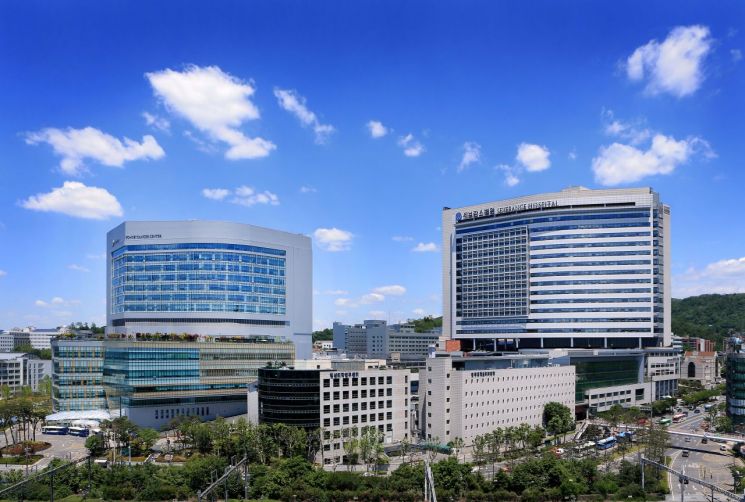
On the 24th, the Ministry of Health and Welfare announced the results of the selection evaluation through opening remarks at the Central Disaster and Safety Countermeasures Headquarters (CDSCH) meeting regarding the doctors' collective action.
The Tertiary Hospital Structural Transformation Support Project primarily aims to restructure tertiary hospitals so that they can focus on treating patients with high severity and complexity in accordance with their original roles, while efficiently managing mild cases through cooperation with local clinics and hospitals.
The project plans to increase the proportion of severe cases treated at tertiary hospitals to 70%, reduce general hospital beds by up to 15%, and raise the inpatient fee rates for intensive care units and rooms with four or fewer beds by 50%, thereby improving the system to focus on treating severe patients.
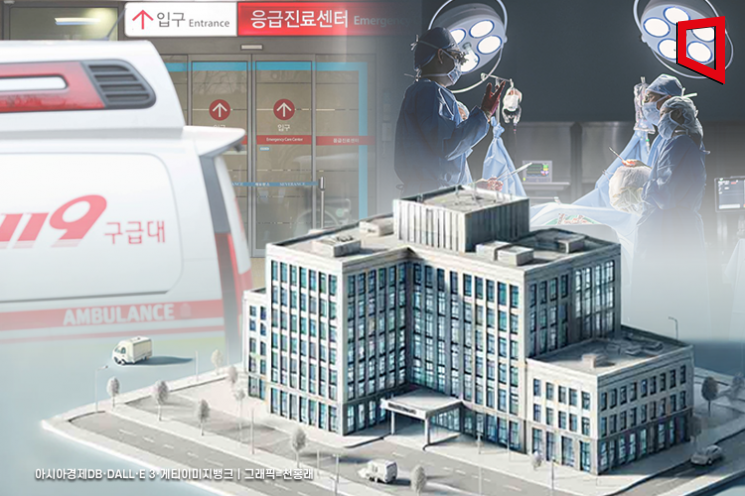
The institutions selected in the first round will receive increased fees for treating severe, emergency, and rare diseases to enable stable structural transformation. Additionally, they will be encouraged to reduce treatment of mild cases through active referrals and transfers with cooperative medical institutions within their regions. Performance in referring and returning mild patients will be evaluated, and additional compensation will be provided accordingly.
Vice Minister Park stated, "If this project achieves its intended goals, a cooperative and mutually beneficial structure between large hospitals and smaller hospitals will be established rather than competition, and patients will be able to receive treatment at the most appropriate medical institutions according to the severity of their conditions." He added, "The treatment capacity secured by reducing mild patient care at tertiary hospitals can be utilized for emergency patient response if necessary, which will also help resolve the issue of emergency room non-admissions."
The Ministry of Health and Welfare plans to allow more medical institutions to participate in the Tertiary Hospital Structural Transformation Support Project by providing a sufficient recruitment period until the end of December this year.
© The Asia Business Daily(www.asiae.co.kr). All rights reserved.


















