Buffet Sales Increase by 8.9% Amid Restaurant Industry Struggles
Significant Sales Growth Among Customers in Their 20s and 30s
As dining-out prices soar to unprecedented levels, the buffet sector alone has seen a significant increase in sales while the overall food service industry struggles. In particular, buffet preference among people in their 20s and 30s has sharply risen, reflecting the characteristics of the MZ generation (Millennials + Generation Z) who seek "value for money" (performance relative to price).
On the 14th, Yonhap News and others reported that an analysis of sales data from BC Card for domestic food service franchise stores between 2020 and 2024 showed that the number of sales transactions in the food service sector decreased by an average of 1.6% annually. This contrasts with the card sales amount, which increased by an average of 1.1% annually during the same period.
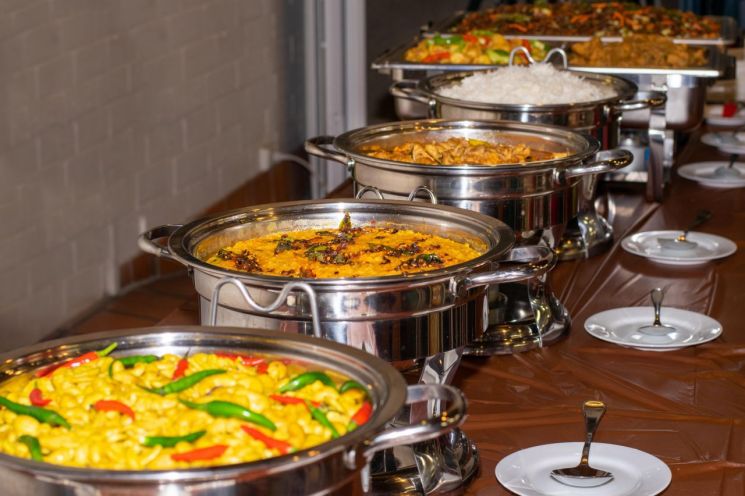
While the food service industry struggled, the buffet sector alone showed growth. Over the past five years, buffet sales increased by an average of 8.9% annually, and the number of sales transactions grew by 10.2% annually, demonstrating relatively high growth.
Especially among young people in their 20s and 30s, buffet preference has risen sharply. This year, buffet sales among people in their 20s increased by 30.2% compared to the same period last year, nearly twice as high as other age groups. Sales among people in their 30s also rose by 21.2%.
Industry experts analyze that this reflects the characteristics of MZ generation consumers who seek value for money amid soaring dining-out prices. Buffets, which were once considered special restaurants visited only on special occasions such as anniversaries due to their relatively high prices, have seen a change in perception as overall dining-out prices have risen recently. Considering that customers can enjoy a variety of dishes abundantly for a fixed price and even have coffee or dessert in one place, buffets have emerged as a "value for money" option.
A BC Card official noted, "Seeing that MZ generation consumers with relatively low income levels prefer the relatively expensive buffet sector, it seems that they choose buffets because if they are going to pay high dining costs anyway, they want to maximize value for money."
© The Asia Business Daily(www.asiae.co.kr). All rights reserved.

















