Contribution to the Discovery of MicroRNA
The 2024 Nobel Prize in Physiology or Medicine was awarded to Harvard Medical School professors who contributed to the discovery of microRNA (miRNA). The Nobel Prize is given for discoveries that have great impact, open new chapters, or overturn existing theories. MicroRNAs are very small RNA molecules that play a crucial role in gene regulation and control.
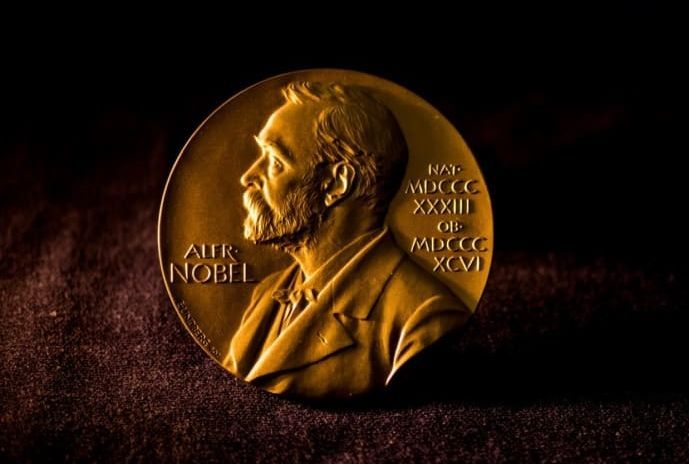
The Nobel Committee at the Karolinska Institute in Sweden announced at 6:30 PM (Korean time) on the 7th that Victor Ambros (71) and Gary Ruvkun (72) were awarded the Physiology or Medicine Prize. The reason for their selection was stated as, "Their groundbreaking discovery revealed a completely new principle in gene regulation essential to multicellular organisms including humans. It is now established that the human genome encodes over 1,000 microRNAs," and emphasized, "Their remarkable discovery opened an entirely new dimension in the understanding of gene regulation. It has been definitively shown that microRNAs are fundamentally important in how organisms grow and function."
One of the co-recipients, Victor Ambros, is from Hanover, New Hampshire, USA. After earning his Ph.D. from the Massachusetts Institute of Technology (MIT) in 1979, he conducted significant research at Harvard University from 1985. He then served as a professor at the Ivy League Dartmouth College Medical School from 1992 to 2000 and is currently a professor of natural sciences at the University of Massachusetts Medical School.
The other co-recipient, Gary Ruvkun, is from Berkeley, California, USA. He received his Ph.D. from Harvard University in 1982 and has worked as a senior researcher at the prestigious Massachusetts General Hospital and Harvard Medical School since 1985. He is currently a professor of genetics.
Genetic information is transcribed from DNA to messenger RNA (mRNA), and mRNA is translated into proteins. Many of these proteins are necessary for cells that make up the immune system, muscles, nerves, and more. Among the proteins that regulate gene expression are transcription factors, which indicate how protein expression is controlled.
Victor Ambros and Gary Ruvkun’s joint research began with an interest in the Lin-4 gene. Victor Ambros discovered that Lin-4 (miRNA) suppresses lin-14 (mRNA). Lin-4 is a tiny molecule consisting of only 22 nucleotides.
Gary Ruvkun discovered lin-14 and found that it was suppressed by lin-4. The two exchanged information and decided to collaborate on the research.
Ultimately, they discovered that lin-14 mRNA is suppressed by lin-4 microRNA. This was a previously unknown mechanism of gene regulation. Seven years later, in 2000, they also discovered let-7 in humans, which corresponds to lin-4.
Professor Jegal Dongwook of the Department of Laboratory Medicine at Seoul St. Mary’s Hospital explained that microRNAs regulate multiple different mRNAs. MicroRNAs are known to be involved in development, the physiological functions of normal cells, and their association with cancer.
© The Asia Business Daily(www.asiae.co.kr). All rights reserved.
![User Who Sold Erroneously Deposited Bitcoins to Repay Debt and Fund Entertainment... What Did the Supreme Court Decide in 2021? [Legal Issue Check]](https://cwcontent.asiae.co.kr/asiaresize/183/2026020910431234020_1770601391.png)















