October 5 'World Meningitis Day'
Symptoms Similar to Cold... High Fever and Headache Accompany
Personal Hygiene and Vaccination Are Important
As the change of seasons leads to an increase in cold patients, the importance of preventing meningitis, which shows symptoms similar to a cold, is emerging. October 5th is World Meningitis Day, established by the Coalition Against Meningitis (CoMO) to raise awareness of the dangers of meningitis and emphasize the importance of vaccination. Meningitis refers to inflammation of the meninges surrounding the brain and spinal cord, and it is broadly classified into viral and bacterial types depending on the type of infectious agent.
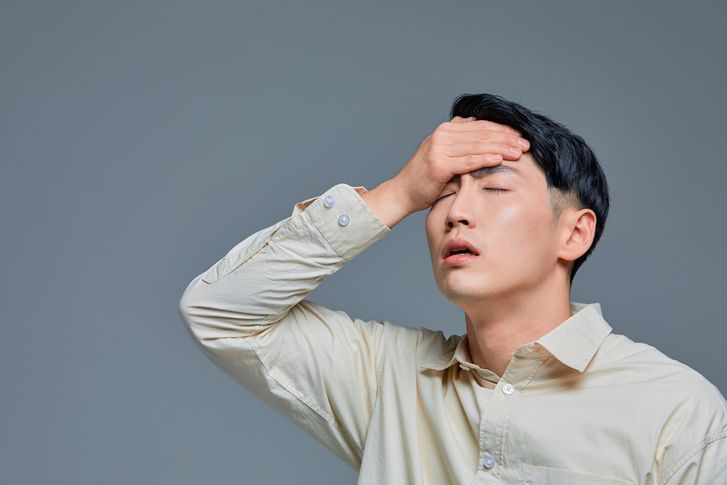
The most common form is viral meningitis caused by enteroviruses and others. In people with normal immunity, most cases naturally heal within 1 to 2 weeks. On the other hand, bacterial meningitis occurs when microorganisms such as viruses, bacteria, or parasites invade the cerebrospinal fluid through the bloodstream. Since it is transmitted through droplets, the risk of infection increases when living in crowded spaces such as military barracks or dormitories, or when traveling to countries where meningococcal disease is prevalent.
Meningitis usually accompanies high fever and headache. In severe cases, it can lead to seizures, coma, or encephalitis. If not treated early depending on the cause, it can be fatal. Even with appropriate treatment, the mortality rate is somewhat high at 10-15%, and one in five survivors may suffer permanent sequelae such as hearing loss or limb amputation. To prevent this, special attention to personal hygiene such as hand washing and avoiding contaminated water is necessary. Additionally, since the types of meningococcal serogroups that cause disease vary and the prevalent serogroups differ or may change between countries, it is important to receive preventive vaccines in advance.

Last year, the number of meningococcal infection cases in the United States reached the highest level since 2014. Among these, 68% were caused by serogroup Y. In contrast, in Korea, recent reports show that most meningococcal disease infections are caused by serogroup B. Reported meningococcal diseases so far have mainly been caused by serogroups A, B, C, W, and Y, and vaccines for all five serogroups have been developed. A representative from the Korea GSK Vaccine Division stated, "Meningococcal disease is a fatal illness that can lead to death within 24 hours. Since everyone, including infants under one year old, can be exposed to meningococcus, it is important to prevent infections caused by the five major serogroups through vaccination."
© The Asia Business Daily(www.asiae.co.kr). All rights reserved.


















