All Five Items Including Grains Rise
The United Nations Food and Agriculture Organization (FAO) announced on the 5th that the global food price index for September recorded 124.4, marking a 3% increase compared to the previous month, according to the Ministry of Agriculture, Food and Rural Affairs. This marks a shift from a two-month consecutive decline to an upward trend.
 The global food price index in September recorded 124.4, marking a 3% increase compared to the previous month.
 [Image source=Getty Images]
The FAO food price index is a figure that sets the average price from 2014 to 2016 as 100 for comparison and is used as a key indicator reflecting trends in the global food market.
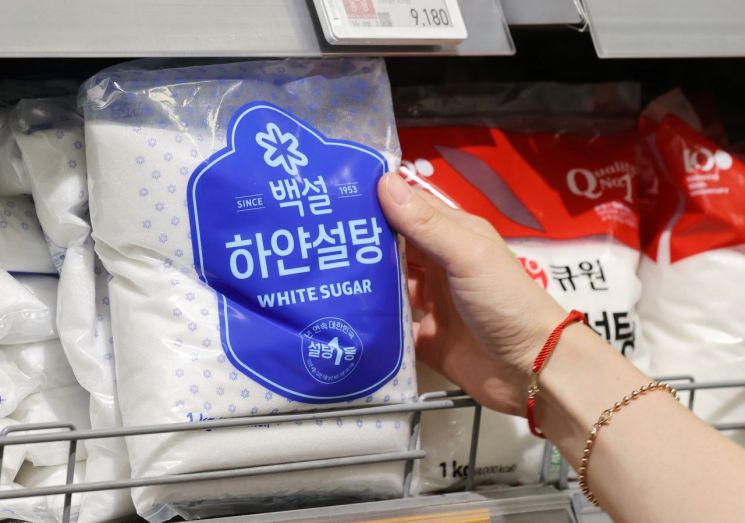
Among the five food commodity groups surveyed by the FAO, all prices rose, with sugar prices increasing by 10.4%, showing the largest rise. The main causes were identified as adverse weather conditions in Brazil and India’s relaxation of regulations allowing sugarcane to be used for ethanol production.
Oils and fats (142.4) rose by 4.6%, dairy products (136.3) by 3.8%, and cereals (113.5) by 3.0%. Prices of palm oil, soybean oil, sunflower oil, and rapeseed oil all increased due to forecasts of reduced production. Among cereals, wheat prices rose due to delayed harvests and reduced production forecasts in major exporting countries, while rice prices fell due to increased harvests in India and the lifting of export price restrictions.

The meat price index (119.6) increased by 0.4%. Chicken prices rose due to increased import demand from Brazil following the easing of trade restrictions related to the livestock disease Newcastle disease. Beef and pork prices remained stable, while lamb prices fell due to weak import demand from China.
© The Asia Business Daily(www.asiae.co.kr). All rights reserved.
![Clutching a Stolen Dior Bag, Saying "I Hate Being Poor but Real"... The Grotesque Con of a "Human Knockoff" [Slate]](https://cwcontent.asiae.co.kr/asiaresize/183/2026021902243444107_1771435474.jpg)


















