Anti-diabetic activity that prevents diabetes and provides whitening effects has been confirmed in the seeds of Wangmeoru (Vitis amurensis). Wangmeoru is a type of wild plant native to the Korean Peninsula.
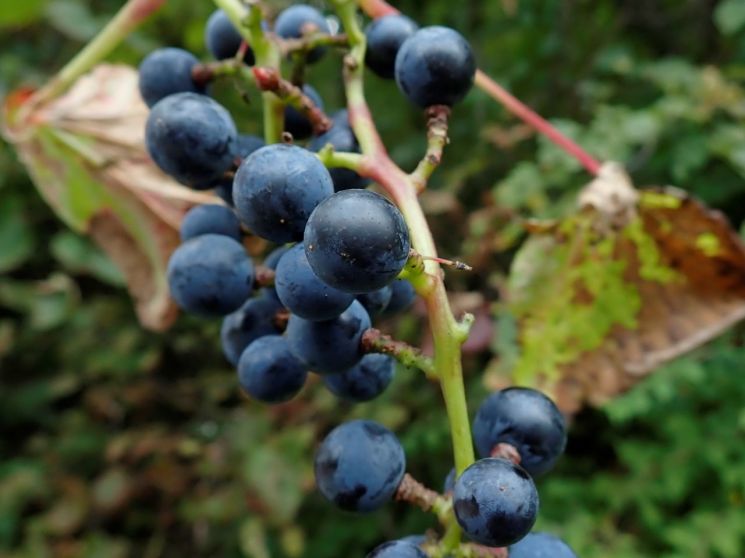
The Korea National Arboretum (hereinafter referred to as KNA) announced on the 4th that the Baekdudaegan National Arboretum has confirmed the potential to utilize Wangmeoru plant seeds as functional materials for antioxidant, whitening, and anti-diabetic purposes.
Plants of the genus Meoru are native forest crops related to grapes, and in 2002, Time magazine in the United States selected Meoru as one of the world's top 10 health foods.
Functional research on Meoru has been actively conducted so far. In particular, Meoru fruits, roots, and stems have been widely used in the treatment of cancer, anemia, vomiting, diarrhea, headaches, and more.
Recently, in a study conducted by the Baekdudaegan National Arboretum on the antioxidant, whitening, and anti-diabetic activities of Wangmeoru seed extracts, it was confirmed that pharmacologically active substances such as total phenolic compounds and flavonoids are abundantly contained in Wangmeoru, bringing new attention to its antioxidant activity as well as whitening and anti-diabetic effects.
The Baekdudaegan National Arboretum published these findings in the Journal of the Korean Society of Beauty Arts Management (Issue 64, March), which is issued by the Korean Beauty Arts Management Research Association.
Additionally, KNA plans to provide seed distribution services through the seed information system "Seedpedia," which will be publicly available soon.
Han Chang-sul, director of the Baekdudaegan National Arboretum, said, “Through these results, we have confirmed the potential for utilizing wild plant resources native to the Korean Peninsula,” and added, “The Baekdudaegan National Arboretum will continue to strive for the conservation and utilization of genetic resources of native plants in Korea.”
© The Asia Business Daily(www.asiae.co.kr). All rights reserved.

















