41.9% of Public Medical Institutions Nationwide Understaffed
The shortage of doctors in public medical institutions, which are chronically suffering from manpower shortages, is becoming increasingly severe. As the difficulty in recruitment drives up doctors' salaries, a public medical center in Jeonnam hired an orthopedic surgeon last year with an annual salary of 620 million KRW.
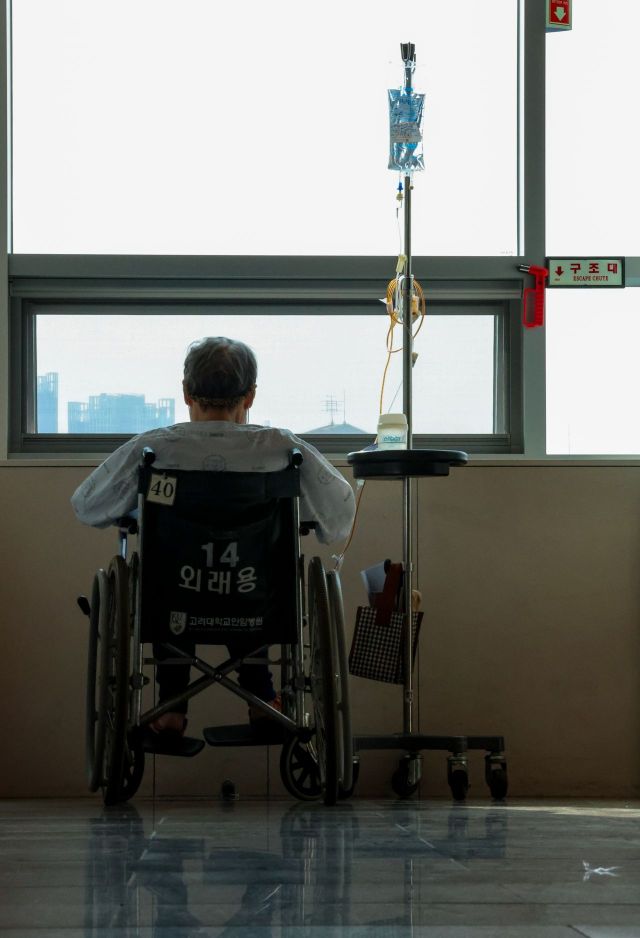
According to data received on the 3rd from the Citizens' Coalition for Economic Justice (CCEJ) and Jeon Jin-sook, a member of the National Assembly's Health and Welfare Committee from the Democratic Party of Korea, as of June, 91 out of 217 public medical institutions nationwide (41.9%) failed to fill their doctor quotas. There are 228 public medical institutions nationwide, but excluding dental hospitals and Korean medicine hospitals, there are 217 institutions.
The total shortage of doctors was 3,563, with university hospitals under the Ministry of Education lacking 2,831 doctors, followed by provincial medical centers with 309, veterans hospitals with 109, the National Medical Center with 107, and medical institutions under the Ministry of Health and Welfare with 71. Among 1,570 regional public health institutions such as public health centers, 131 also failed to meet their staffing quotas. According to the Regional Public Health Act, a minimum of 1,956 doctors should be assigned to public health centers, public health medical centers, and health clinics across 16 cities and provinces nationwide, but only 1,466 doctors were actually deployed.
By region, Gyeongbuk had the most severe manpower shortage with 110 fewer doctors than the required number. Jeonnam was short by 84, and Gyeongnam by 76. There were 594 public health centers, public health medical centers, and health clinics with no doctors at all. Gyeongbuk had 94 such institutions, Jeonnam 93, Jeonbuk 81, and Gyeongnam and Chungnam each had 77. Among the institutions without doctors, 456 are served by part-time doctors who conduct rotating visits, or medical services are provided by Korean medicine doctors and nursing staff.
The number of public medical institutions with suspended departments and the number of suspended departments nationwide have also increased. As of September, 44 out of 228 public medical institutions had suspended departments, which is 6 more than in 2022 (38) and last year (43). The number of suspended departments also rose from 68 in 2022 to 75 last year and 88 as of September this year. There were 20 public medical institutions with long-term suspended departments.
Due to recruitment difficulties, the annual salaries offered by public medical institutions to doctors continue to rise. Mokpo City Medical Center in Jeonnam offered an annual salary of 620 million KRW last year to hire one orthopedic surgeon. Uljin County Medical Center also completed hiring a radiology specialist last year by offering 506 million KRW.
The CCEJ emphasized, "At minimum, the government should directly train and assign the necessary doctors to public medical institutions and cultivate public doctors who serve mandatory periods." They added, "To this end, the government should promptly promote the establishment of public medical schools and the introduction of a regional doctor system in cooperation with the National Assembly."
© The Asia Business Daily(www.asiae.co.kr). All rights reserved.

















