Incheon City is launching a pilot project to use drones for malaria control.
The city plans to conduct drone-based pest control operations once a week for two months until November, targeting 10 locations including redevelopment areas in Michuhol-gu, forests, and rivers where pests occur.
Using drones can expand the direct control area from 1,000 pyeong to 10,000 pyeong per hour, and the rapid pest control method is effective in eradicating pests and diseases. Additionally, deploying drones in urban malaria outbreak areas such as water puddles at construction sites enables efficient pest control.
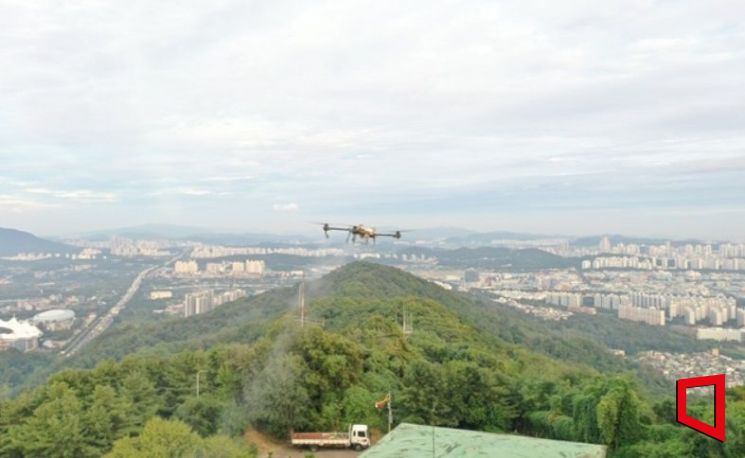
With an increase in malaria patients and an expansion of affected areas, the city aims to prevent the spread of malaria in advance through drone control ahead of the fall season, when frequent outdoor activities are expected.
As of early June, the number of malaria patients reached 234, nearly three times higher than last year, and malaria infections have been reported in areas where there were no previous cases.
Following this summer’s heatwave, which reduced mosquito populations by up to 70%, mosquitoes are expected to become more active in the fall. Last month, the Korea Disease Control and Prevention Agency issued malaria warnings for nine regions nationwide, including Yeonsu-gu in Incheon and Ganghwa-gun, urging special caution.
© The Asia Business Daily(www.asiae.co.kr). All rights reserved.

















