The court ruled that dismissing an employee without written notice on the grounds of talking behind the company representative's back is illegal.
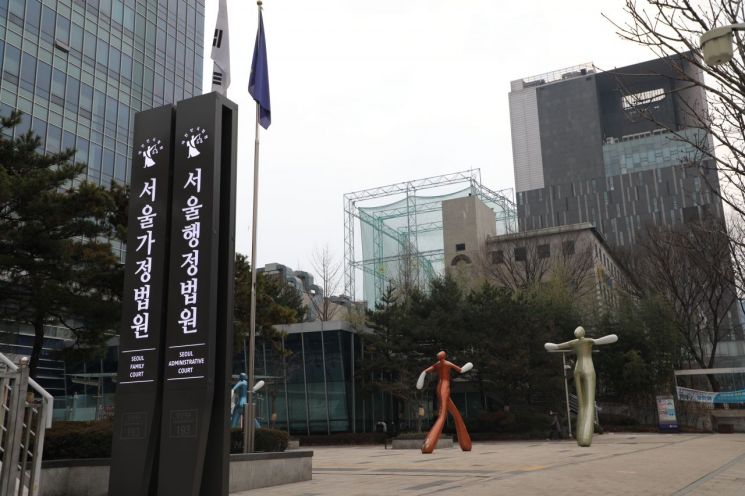
According to the legal community on the 23rd, the Seoul Administrative Court Administrative Division 3 (Chief Judge Choi Su-jin) ruled against the plaintiff in the lawsuit filed by Corporation A against the Chairman of the Central Labor Relations Commission seeking to cancel the retrial decision on unfair dismissal relief.
Company A is a small plastic manufacturing company established in May 2019. Employee B joined the company in October 2021 and worked as a field management team leader until January 2023. According to Company A, B publicly insulted and talked behind the back of the representative in the workplace and cafeteria where other employees could hear, saying things like "The CEO is crazy" and "He can't control himself when he sees women."
Additionally, B allegedly threatened and abused power by saying, "Do you want to be fired? I have been delegated the authority to fire by the CEO and the director," whenever he was in a bad mood or when employees did not listen to him. He also caused property damage worth several million won to Company A by carelessly damaging machines. Consequently, Company A dismissed B in January 2023.
In response, B applied for relief to the local Labor Relations Commission (Jino-wi) in March of the same year, and the commission accepted the application, stating it was an "unfair dismissal violating the written notice obligation of dismissal stipulated in the Labor Standards Act." Company A appealed and requested a retrial at the Central Labor Relations Commission but was rejected and then filed a lawsuit.
Company A argued, "As a small factory operator, we were unaware of the provisions of Article 27 of the Labor Standards Act and failed to provide written notice to B upon dismissal. We are prepared to take responsibility for this."
However, the court stated, "Article 27 of the Labor Standards Act stipulates that for a dismissal to be effective, the employer must notify the employee in writing of the reason and timing of the dismissal. The purpose of this provision is to ensure that employers exercise caution when dismissing employees and to clarify the existence, timing, and reasons for dismissal so that any disputes can be properly and easily resolved afterward, and to allow employees to respond appropriately to the dismissal."
Furthermore, the court concluded, "There is no dispute between the parties that Company A did not provide written notice of the reason and timing of dismissal to B at the time of dismissal. Regardless of whether the reason was justified, this constitutes a violation of the written notice procedure stipulated in Article 27 of the Labor Standards Act, making it illegal. Therefore, the retrial decision recognizing this dismissal as unfair is not unlawful."
© The Asia Business Daily(www.asiae.co.kr). All rights reserved.

















