Pianist Sumino Hayato, a Tokyo University Engineering Graduate, Interviewed in Writing
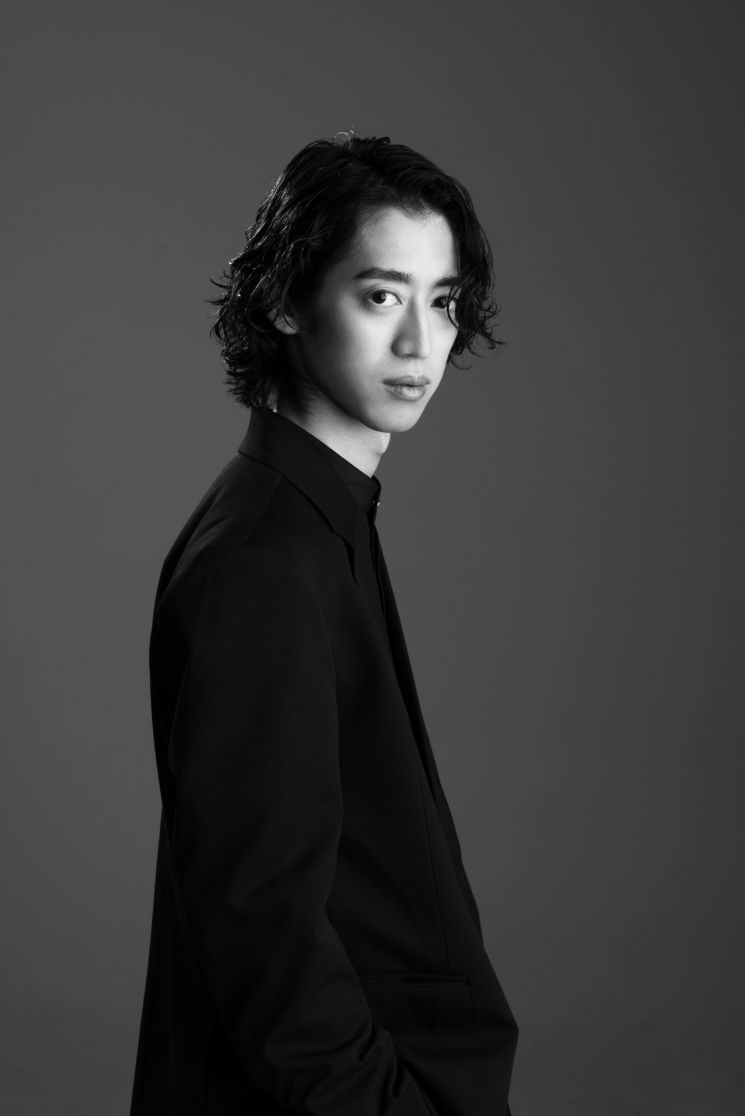
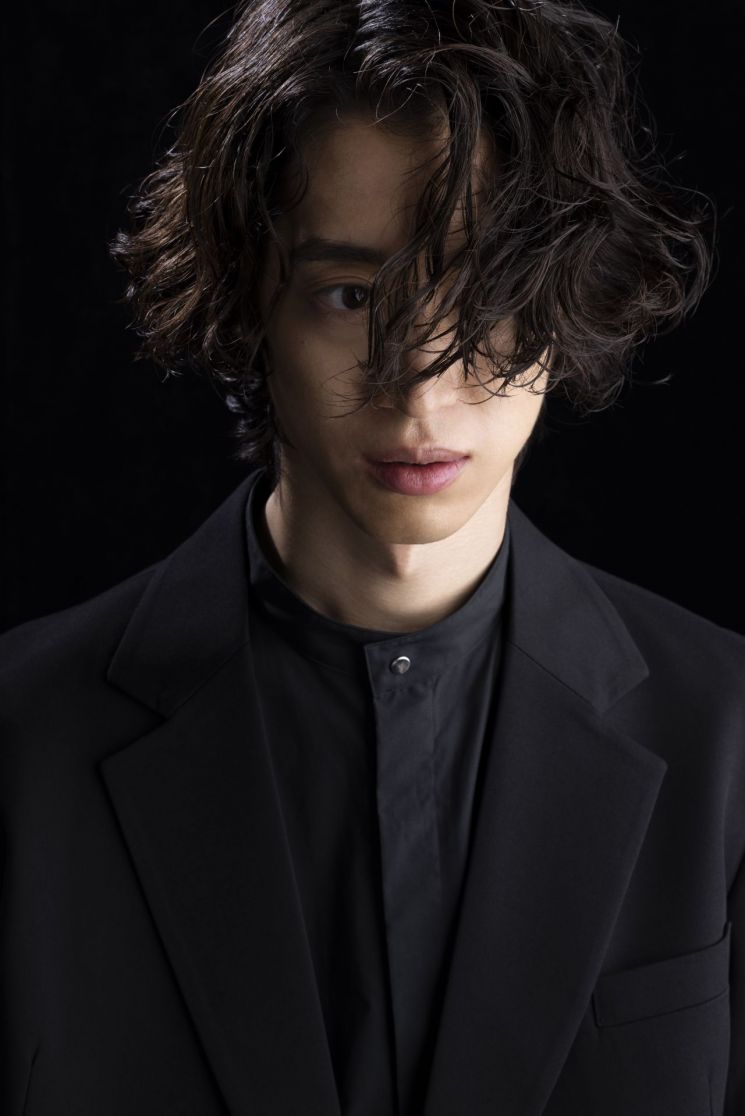
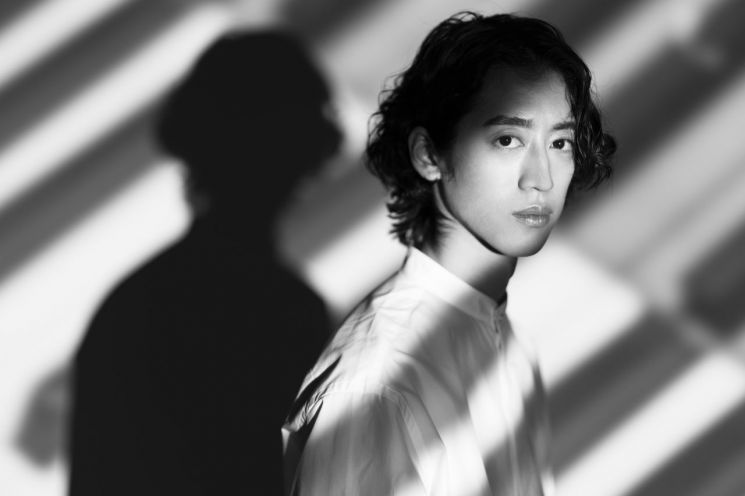
Becoming free through music.
The title of the book that "the engineering major who plays piano well," Sumino Hayato, introduced as his favorite was meaningful. It seemed to express Sumino's life. Japanese pianist Sumino Hayato graduated from the Tokyo University of Engineering, where Japan's top talents gather. Influenced by his mother, who was a piano instructor, he played the piano as a hobby from a young age. Even while living as an engineering student, he said, "I worked hard to gain more piano playing experience without anyone knowing."
His efforts bore fruit. In 2018, he won a competition hosted by the Piano Teachers' National Association of Japan (PTNA). At that moment, he chose the life of a musician. It could be said that it was a moment of freedom thanks to music. In 2021, he made a leap. Despite not majoring in piano, he reached the third final round of the world’s most prestigious Chopin International Piano Competition, becoming a globally recognized pianist. A world-class pianist who did not major in piano was born.
The phrase "becoming free through music," mentioned by Sumino in a written interview with Asia Economy, was written by the late Japanese piano master Sakamoto Ryuichi, who passed away in March last year. Sumino said, "No matter how many times I read it, it still inspires me." He added, "I like reading autobiographies of musicians. It stimulates my curiosity and gives me great inspiration by allowing me to glimpse and learn from other musicians' thoughts."
Sumino visits Korea for the third consecutive year. On November 26, he will hold a solo recital at the Concert Hall of the Seoul Arts Center. His popularity in Korea is comparable to that of other famous pianists. In 2022, he visited Korea for the first time and sold out three solo recitals in Seoul, Busan, and Incheon, as well as last year's solo recital in Seoul. For the upcoming November recital, R and S seats sold out immediately after sales began, leaving only some A and B seats available.
True to his engineering background, he said he also enjoys reading books about engineering and space along with music. Recently, he read Michio Kaku's "Parallel Universes." He introduced it as a book dealing with the possibilities and theories of other universes that may exist besides the one we live in, and said he gained inspiration about music from this book because music and the universe share commonalities. "Like the infinite possibilities suggested by the parallel universe theory, I think music also requires infinite imagination and creativity and can expand without limits. Both the universe and music seem to be endless journeys where the more you explore, the more questions and possibilities open up."
He said, "I think music and science are not different from each other, and new ideas often come up at the intersection where music and science meet. The introduction of the work number using binary code at last year's recital was an idea I came up with from computer engineering, which I majored in at university. It seems that new creative inspiration comes from the place where logical thinking and musical sensibility meet."
This year’s performance features many more original compositions than the four pieces from last year. Sumino will perform three nocturnes he composed, as well as other original works such as "Taedong" and "Human Universe." Moreover, he plans to perform Maurice Ravel's Bol?ro and a version of the variations on the third movement of Mozart's Piano Sonata No. 11, famously nicknamed the "Turkish March," arranged by himself.
Particularly notable is that he will perform the entire Mozart Piano Sonata No. 11 before the Turkish March. It seems he wants the audience to compare the original third movement "Turkish March" with his arranged variations. Additionally, he will perform Bach's "Italian Concerto" and "Prelude and Fugue," as well as Debussy's "Clair de Lune." Sumino said, "I chose the pieces to harmoniously combine traditional classical music with my contemporary compositions." He explained, "I structured the program so that the audience can feel the tradition of classical music through the masters' works while experiencing modern sensibility and experimental elements through my original compositions."
When asked which musician or ensemble he would like to collaborate with, he mentioned conductor Chung Myung-whun. "I saw a performance with the Tokyo Philharmonic Orchestra in Japan last June. I was deeply impressed by conductor Chung Myung-whun's delicate yet powerful charisma. I hope to perform together someday."
Sumino made his debut on the stage of London's Royal Albert Hall in April this year. The Royal Albert Hall is the largest concert hall in London and the venue for the BBC Proms, one of the world's largest classical music festivals. At that time, Sumino collaborated with the Royal Scottish National Orchestra conducted by Ben Palmer, performing the American composer Gershwin's Rhapsody in Blue. The piece, composed in 1924, was performed to commemorate its 100th anniversary. During the performance, a cellphone rang in the audience with a "ttareureung" sound. Sumino cited this moment as one of the most memorable since becoming a professional performer.
"Whenever I play 'Rhapsody in Blue,' I always perform my own cadenza, and at that moment, a cellphone ringtone sounded in the audience. My body reacted instantly, and I improvised along with the ringtone. It was an unexpected event, but both the orchestra and the audience enjoyed the moment, creating a sense of unity throughout the concert hall." There are not many performers who can turn a sudden crisis into enjoyment for the audience. He proved himself to be exactly that kind of artist.
© The Asia Business Daily(www.asiae.co.kr). All rights reserved.
![Clutching a Stolen Dior Bag, Saying "I Hate Being Poor but Real"... The Grotesque Con of a "Human Knockoff" [Slate]](https://cwcontent.asiae.co.kr/asiaresize/183/2026021902243444107_1771435474.jpg)


















