Damage scale increased 10 times in 4 years
10 private companies control 74% of global ATMs
No regulatory agency, security weak and unmonitored
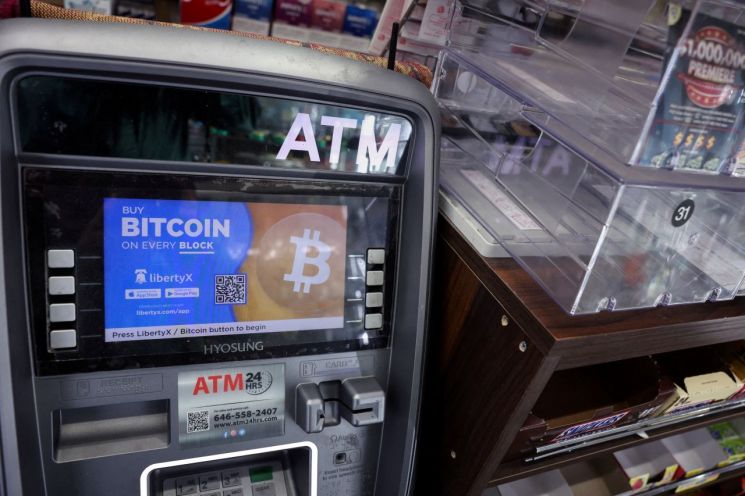
Fraud involving 'Bitcoin ATMs' (automated teller machines·BTMs) is rampant in the United States.
On the 8th (local time), CNBC reported, "Bitcoin ATMs operate similarly to cash ATMs but have become major targets for hackers due to their high value," adding, "Bitcoin ATMs have emerged as one of the biggest threats to the cryptocurrency market."
According to a report released last week by the Federal Trade Commission (FTC), losses from Bitcoin ATM fraud last year amounted to approximately $114 million (about 150 billion KRW), nearly ten times the $12 million recorded in 2020. In the first half of this year alone, losses reached $66 million. Considering that most fraud cases go unreported, the actual damage is estimated to be even greater.
According to Coin ATM Radar, Bitcoin ATMs, which sprang up rapidly between 2020 and mid-2022 fueled by the cryptocurrency boom, once grew to as many as 34,000 across the United States, gaining significant popularity. However, due to inadequate safety measures and security systems, they became targets for crime.

Timothy Bates, a cybersecurity professor at the University of Michigan, pointed out, "Machines like BTMs are particularly vulnerable to physical and cyber threats, making them prime targets for hackers and thieves." He explained that hackers can install malware on Bitcoin ATMs to steal users' private keys or manipulate transactions. Professor Bates warned, "The security of ATMs that do not receive regular software updates or security patches is especially concerning. If the machine's network communications are not properly protected, hackers can intercept data transmissions between the ATM and servers to gain unauthorized access."
Criticism is also mounting that the 'decentralization'?a key attraction of cryptocurrencies?is ironically hindering ATM security. Unlike traditional banking systems where mistakenly deposited money can be reversed, Bitcoin transactions are irreversible.
Joe Dobson, a senior analyst at cybersecurity firm Mandiant, explained, "In the Bitcoin ecosystem, there is no governing body regulating who can and cannot operate ATMs, so many companies run ATMs independently. While many cryptocurrency enthusiasts find Bitcoin's decentralization appealing, it can pose problems for ATMs." According to Alice Frye, head of security at blockchain consulting firm OutsetPR, about 74% of Bitcoin ATMs worldwide are currently operated by 10 private companies.
© The Asia Business Daily(www.asiae.co.kr). All rights reserved.


















