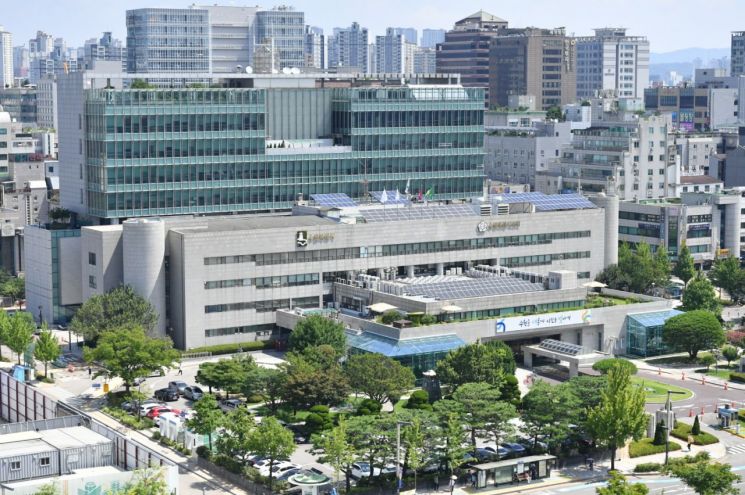
The city of Suwon in Gyeonggi Province has become the first in the nation to link the rights information from certified copies of the register with survey data on households affected by jeonse fraud and "empty jeonse" to analyze the actual conditions of the affected households.
Suwon City, in collaboration with the Korea Urban Research Institute, conducted a survey from April to May targeting 374 households that suffered from jeonse fraud and empty jeonse. The survey covered rental information, priority rights relationships and damages, usage and opinions on support measures, and household status.
Additionally, certified copies of the register were obtained for 358 households with valid road name addresses and existing certified copies. The analysis linked survey results with data on ▲owner (lessor) information ▲priority mortgage rights ▲whether auction registration was made ▲private rental housing registration status ▲registration of lease rights or jeonse rights ▲and whether joint collateral was established.
The analysis examined whether there were subordinate lessees with priority mortgage rights ahead of the deposit, and whether subordinate lessees qualified for the highest priority compensation. It also checked whether joint collateral was established including the affected housing.
The analysis found that the proportion of households eligible for highest priority compensation was 19.0%, which was due to the average deposit of affected households being 152.71 million KRW, exceeding the scope of small lessees eligible for highest priority compensation.
When analyzing whether joint collateral was established including the affected housing by linking certified copies of the register, 82.1% had joint collateral established. The majority of non-small subordinate lessees (89.9%) and small subordinate lessees (89.6%), who inevitably suffer greater losses than priority lessees when auctions conclude, had joint collateral established.
A Suwon City official stated, "To use as basic data for proposing legal enactments and institutional improvements to support and prevent damage to households affected by jeonse fraud and empty jeonse, we accurately analyzed the actual conditions of affected households by utilizing certified copies of the register and survey results."
© The Asia Business Daily(www.asiae.co.kr). All rights reserved.

















