Three Foundations for Educational Equity and Development
The Foundation for Educational Equity and Development in Ghana, the ProEd Foundation in Panama, and the University of Education Vienna in Austria will receive this year’s UNESCO King Sejong Literacy Prizes. The Ministry of Culture, Sports and Tourism announced on the 9th that certificates and prize money of $20,000 will be awarded to the three organizations in Yaound?, Cameroon.
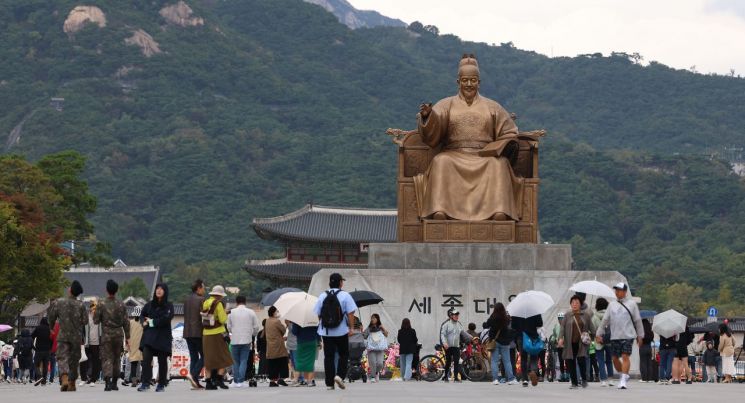
The King Sejong Literacy Prize was established by the Ministry of Culture, Sports and Tourism to honor the spirit of King Sejong’s creation of Hangul. Since 1989, it has participated in UNESCO’s global efforts to eradicate illiteracy. UNESCO designated September 8 as “International Literacy Day” in 1965 to encourage everyone to easily learn and use spoken and written language.
The Foundation for Educational Equity and Development has supported mobile libraries and digital tools in Ghana since 2017. It helps students easily access educational resources. In particular, it operates a “Library Without Walls” targeting marginalized children in rural areas, providing literacy education, math and science education, and digital learning opportunities. A Ministry of Culture, Sports and Tourism official explained, “More than 12,000 people have benefited so far,” adding, “We are also developing a multilingual online platform to further improve literacy among Ghanaian youth.”
The ProEd Foundation has operated “Lecto Labs” in ten marginalized communities in Panama since 2007. This educational program enhances literacy by strengthening cooperation among teachers, schools, and local communities. It combines Spanish literacy education using the latest teaching methods with “book clubs” to foster a reading and discussion atmosphere, and also establishes classroom libraries.
The University of Education Vienna has operated the “Voxmi Education Network” since 2008. This program creates multilingual classroom environments. It encourages the participation of sixty-two Austrian educational institutions, contributing to social integration and the creation of cultural environments for immigrants. It also provides teachers with training in language teaching methods and the use of digital media technology. It helps ensure that the diverse languages of immigrant students are actively used in actual educational settings.
© The Asia Business Daily(www.asiae.co.kr). All rights reserved.