34m/s Gale Hits Downtown
Humidity Rises After Rainfall
In China, an artificial rain operation intended to cool down extreme heatwaves reportedly resulted in damage caused by strong winds instead.
On the 4th, YTN reported that in Chongqing, China, an abnormal weather phenomenon accompanied by heavy rainstorms and strong winds occurred after artificial rain was sprayed as a countermeasure against the heatwave. Recently, Chongqing has been suffering from scorching heat with daytime highs around 42 degrees Celsius, causing damage in rural areas such as crops withering.
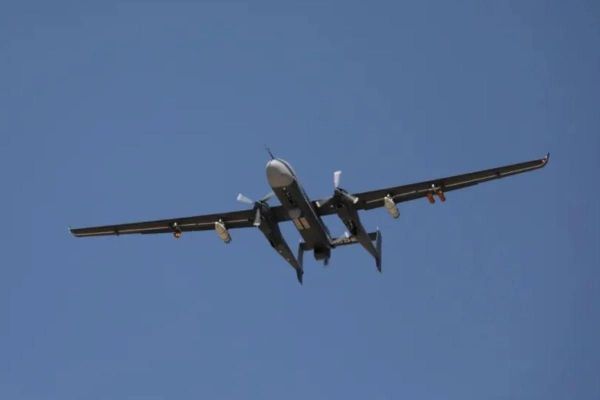
Because of this, local authorities decided to cool the heat with artificial rain. The temperature dropped by about 30 degrees, recording around 10 degrees Celsius due to the artificial rain measure, but the problem was that unpredictable weather phenomena such as strong winds and rainstorms accompanied it. In particular, typhoon-level storms with wind speeds exceeding 34 meters per second reportedly struck the area. The wind had the power to break windows and knock over surrounding objects, causing damage.
Local meteorological experts explained to the media that this phenomenon occurred as the energy accumulated in the atmosphere due to the abnormal high temperature was suddenly released. Moreover, after the artificial rain passed, the entire city turned into a steam room due to humidity, reportedly making the perceived heat even worse.
Meanwhile, China is one of the countries actively utilizing artificial rain as a countermeasure against heatwaves and droughts. The method involves flying drones equipped with chemicals such as dry ice and silver iodide to spray substances near clouds. This method is frequently used not only in China but also in desert countries suffering from chronic water shortages, such as the United Arab Emirates (UAE).
However, there are many doubts about whether artificial rain operations actually lower local temperatures and increase rainfall. In the case of the UAE, record-breaking heavy rain suddenly fell in April, causing flooding damage. At that time, a meteorological expert formerly from the U.S. National Oceanic and Atmospheric Administration pointed out, "The power and scale of weather are so immense that making heavy rain fall by cloud seeding is nearly impossible," adding, "Rather, the heavy rain should be seen as a result of climate crisis causing temperatures to rise and increasing moisture in the air. Globally, precipitation is also increasing."
© The Asia Business Daily(www.asiae.co.kr). All rights reserved.