Amami O Island in Japan Introduces Mongooses to Combat Venomous Snakes
30 Mongooses Multiply to 30,000... Even Rare Species Eaten
Successful Eradication After 30 Years... "Rare Worldwide"
On an island in Japan registered as a World Natural Heritage site, efforts to protect the ecosystem by capturing the invasive mongoose have reportedly succeeded in eradicating the species after more than 30 years. On the 4th, Asahi Shimbun reported, "According to the Japanese Ministry of the Environment, the local government of Amami Oshima Island in Kagoshima Prefecture declared that the mongoose, which has been targeted for eradication for over 30 years since the early 1990s, has been eradicated from the island."
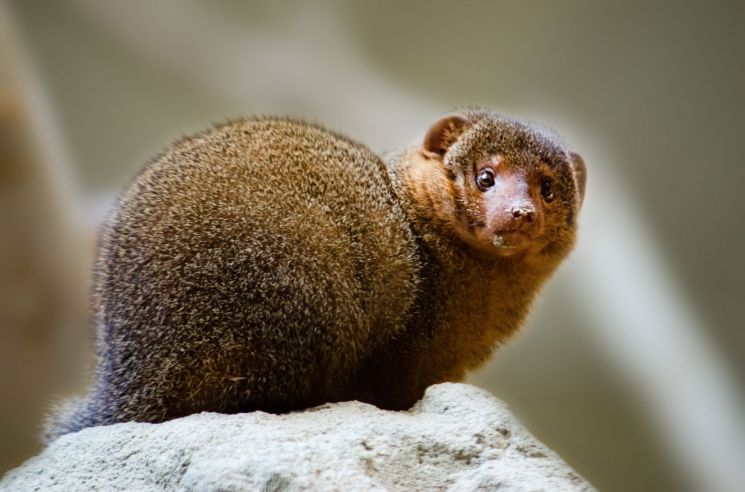
The mongoose, also known as the small Asian mongoose, is a mammal belonging to the family Herpestidae and primarily inhabits South Asia. Despite its cute appearance, it is well known as a natural enemy of snakes, including the cobra. This led to about 30 mongooses being introduced to the island in 1979 as a countermeasure against venomous snakes. However, as the mongoose rapidly reproduced, it began to prey not only on snakes but also on fish, insects, bird eggs, and crops, and even started consuming rare native species such as indigenous rabbits.
Eventually, the local government took the initiative to respond, and the Japanese government also began eradication efforts. In 2000, the mongoose population on the island reached 10,000, but with the start of full-scale eradication work, 3,884 mongooses were captured in a single year. The budget invested in the project over 25 years amounted to 3.573 billion yen (approximately 33 billion KRW).
Over 32,000 mongooses have been captured so far, and since the last one was found in April 2018, none have been detected. It is reported that no traces of mongooses were found on the 300 cameras installed on the island. Accordingly, experts concluded at the end of last year that the probability of eradication was 99%, leading to the Ministry of the Environment's recent declaration of eradication.
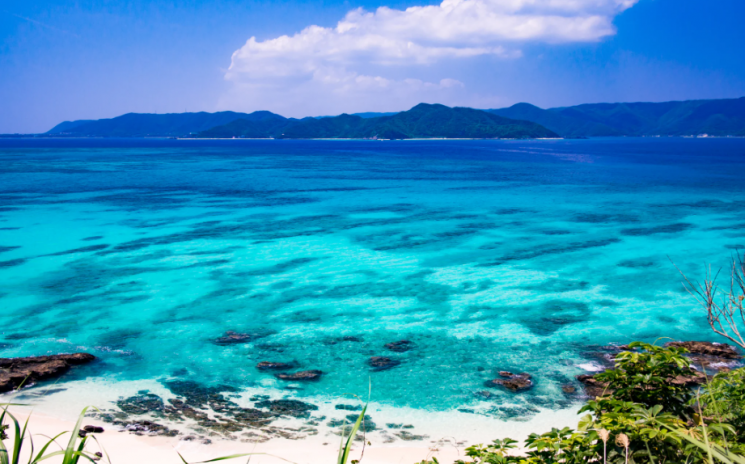
Amami Oshima Island, with an area of 712 km², is the ninth largest island in Japan, located between Kyushu and Okinawa. It boasts a pristine natural environment and was officially registered as a World Natural Heritage site in July 2021. Known for its white sandy beaches, coral reefs, and clear waters, it is also a popular destination for diving, snorkeling, and scuba diving vacations.
Nobuo Ishii, Professor Emeritus at Tokyo Woman's Christian University, said, “If left unchecked, there was a possibility that rare species living on the island would have disappeared. The fact that this was avoided is highly significant.” The Japanese Ministry of the Environment evaluated, "Successfully eradicating a long-established mongoose population in an area the size of Amami Oshima Island is a rare case globally."
© The Asia Business Daily(www.asiae.co.kr). All rights reserved.


















