China's Core Mineral Export Controls... Toyota in Japan Expresses Concern
Bloomberg reported on the 1st (local time) that Japan warned China it would impose high-intensity economic retaliation if Japan restricts the sale of semiconductor manufacturing equipment and service exports to Chinese companies.
According to sources familiar with the matter, senior Chinese government officials repeatedly expressed this stance during recent meetings with Japan.
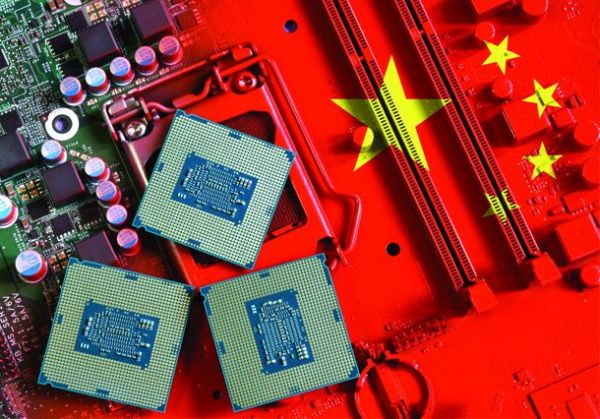
According to Bloomberg citing anonymous sources, Toyota Motor privately informed government officials that one of the main concerns is that the Chinese government could block access to critical minerals essential for automobile production in response to new semiconductor sanctions. Toyota is Japan's largest automobile manufacturer and plays a key role in Japan's semiconductor policy. According to sources, Toyota has also invested in TSMC's Kumamoto plant in Japan.
However, Japan is expected to soon join the U.S. in controlling semiconductor exports to China. The U.S. has pressured Japanese companies such as Tokyo Electron to impose additional restrictions on selling advanced semiconductor manufacturing equipment to China. Furthermore, senior U.S. government officials have been working with Japan to develop strategies to ensure the proper supply of critical minerals.
Toyota's concerns have historical precedents. In 2010, when China clashed with Japan over sovereignty of the Diaoyu Islands (called Senkaku Islands in Japan) in the East China Sea, China temporarily halted rare earth exports. This caused significant damage to Japan, including disruptions in the electronics industry, effectively forcing Japan to capitulate. Last year, China halted exports of critical minerals such as gallium and germanium, used in semiconductor and electronics manufacturing, in response to U.S. semiconductor export controls targeting China.
Some expect that the Biden administration may soothe Japan's concerns and reach an agreement on the level of export controls by the end of this year. However, even if negotiations with Japan fail, there are forecasts that the U.S. will take more aggressive measures such as applying the Foreign Direct Product Rule (FDPR). The FDPR is a regulation that can prohibit exports of products made by foreign companies if they use even a small amount of U.S. technology.
Bloomberg quoted a senior administration official saying that while the U.S. prefers a diplomatic solution, it does not rule out the use of the FDPR.
© The Asia Business Daily(www.asiae.co.kr). All rights reserved.

















