A man in his 60s who impersonated the president of the National Individual Taxi Association and defrauded investors of over 1.1 billion won was sentenced to four years in prison.
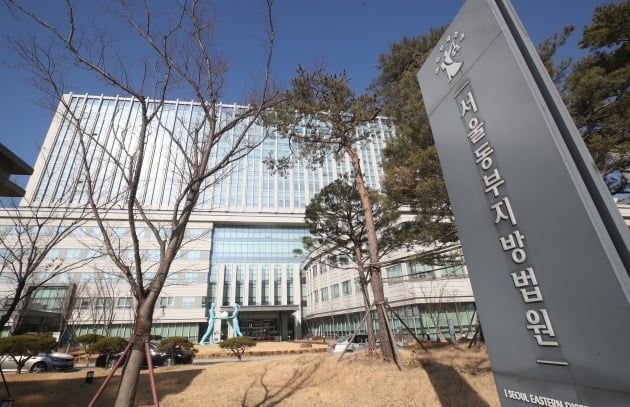
According to the legal community on the 31st, Judge Kim Ye-young of the Seoul Eastern District Court Criminal Division 8 handed down a four-year prison sentence on the 22nd to Mr. A (60), who was indicted on charges of fraud and violation of the Act on the Regulation of Conducting Fund-Raising Business without Permission. Mr. A is accused of embezzling about 1.1 billion won from 98 victims by claiming that if they invested in taxi-related agricultural cooperatives and headquarters cooperatives from 2020 to the following year, he would provide business funding.
Mr. A introduced himself as the president of the National Individual Taxi Association and claimed that he would establish a headquarters cooperative by investing 5.6 trillion won from the association’s assets, which were accumulated from taxi drivers’ membership fees. He also enticed victims by saying that if they paid the membership fee and became registered directors of branch cooperatives, he would invest 200 billion won and allow them to conduct their desired businesses. Furthermore, he deceived victims by stating that he was preparing to form the National Individual Taxi Agricultural Business Cooperative and that regular members of the cooperative would receive monthly payments ranging from a minimum of 1.1 million won to a maximum of 2.2 million won for 20 years. Using these methods, he embezzled approximately 980 million won from 82 victims.
The National Individual Taxi Association was a non-existent organization, and Mr. A was not the president. Mr. A neither had the ability to invest 200 billion won in branch cooperatives nor to return profits. The court stated, "The amount of damage exceeds 1.1 billion won, and the damage has not been recovered at all," adding, "The defendant shows no signs of remorse, claiming that he could not invest because he did not proceed with the victims’ businesses, and there is a high risk of recidivism," explaining the reasons for sentencing.
© The Asia Business Daily(www.asiae.co.kr). All rights reserved.

















