Deepfake Victims Expected to Exceed 1,000 This Year
Limitations in Responding to Overseas Platforms Like Telegram
As deepfake crimes, which synthesize and edit photos of others' daily lives or general videos into forms that can cause sexual discomfort, are spreading, the Digital Sexual Crime Victim Support Center (DiSeong Center) announced on the 28th that the number of deepfake damage support cases has increased more than 11 times compared to six years ago. The number surged to 781 cases this year (as of August 25), compared to 69 cases in 2018.
Since its establishment in April 2018 under the Korea Women's Human Rights Institute under the Ministry of Gender Equality and Family, the DiSeong Center has supported 2,154 cases of deepfake damage as of the 25th. If this trend continues, the number of deepfake victims this year is expected to exceed 1,000.
The DiSeong Center is fully responding by operating the 'DNA system,' which can detect illegal recordings and deepfakes. The detection rate of this system is over 99%, and it can identify deepfakes even if the creator changes the original to black and white or inserts subtitles, watermarks, etc.
When a deepfake report is received, the DiSeong Center provides consultation with the victim and confirms the distribution before supporting deletion. If the victim is a child or adolescent, proactive deletion measures are taken.
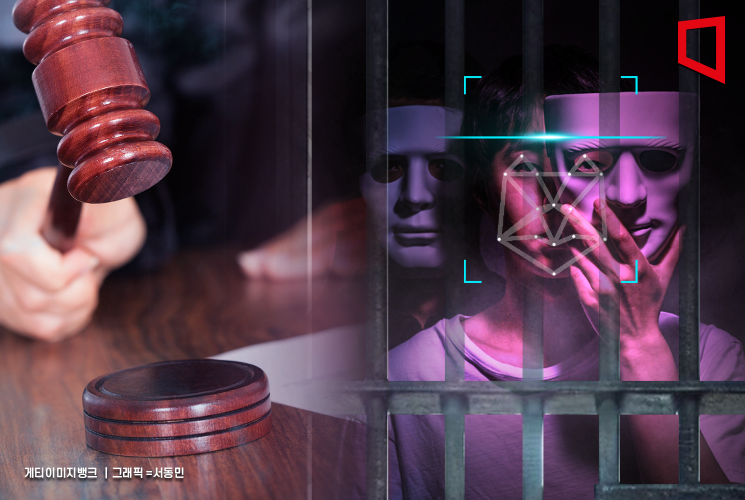
However, there are limitations in responding to overseas platforms. If sexually exploitative materials are hosted on servers abroad or the distributors reside overseas, deletion measures are taken through investigative agencies of various countries connected via hotlines, the U.S. National Center for Missing & Exploited Children (NCMEC), and domestic and international information technology (IT) companies, but it is difficult to grasp the distribution scope or exercise legal control.
The recent controversy involving sexually exploitative materials synthesized with obscene content on photos of acquaintances' faces at schools and military, as well as the major distribution channels of the previously known 'Nth Room' sexual crime case, were overseas platforms such as Telegram.
Meanwhile, one in three victims who requested help from the DiSeong Center due to deepfake damage was a minor. According to the Korea Women's Human Rights Institute on the day, among the 781 people who requested deepfake damage support at the center from January to the 25th, 288 (36.9%) were under their teens. The number of minor victims increased 4.5 times compared to 64 in 2022 and 2.3 times compared to 124 in the previous year.
© The Asia Business Daily(www.asiae.co.kr). All rights reserved.

















