After Pilot Measures at 200 Middle Schools, Implementation Next Year
Collected at Arrival, Returned at Dismissal Time
The French government plans to pilot a 'smartphone ban after school starts' policy at 200 middle schools starting this September.
British daily newspaper The Guardian and others reported on the 27th (local time) that Nicole Belloubet, acting Minister of Education of France, announced at a press conference ahead of the new semester that a 'digital pause' measure will be piloted at 200 middle schools.
The digital pause involves collecting all students' mobile phones after they arrive at school and returning them at dismissal. The policy will first be piloted at 200 middle schools across France, with plans to implement it nationwide starting January next year.
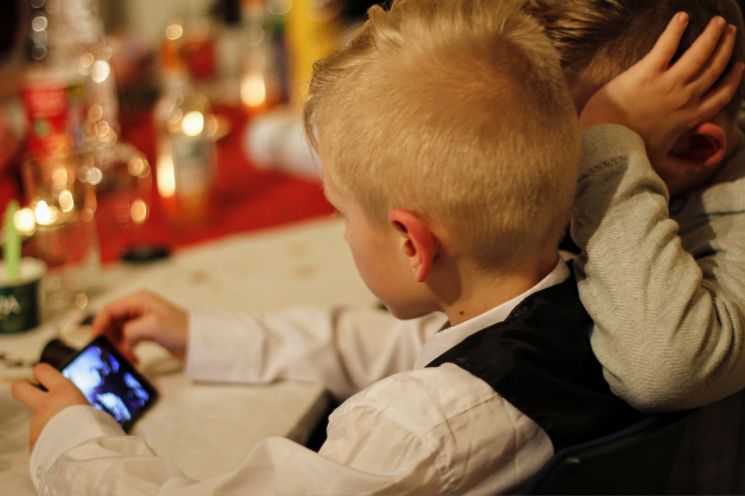 Smartphone. The photo is not related to any specific expression in the article. [Image source=Pixabay]
France already passed a law in 2018 allowing possession of mobile phones in elementary and middle schools but banning their use. However, due to lack of enforcement, this policy was not observed in playgrounds, hallways, or classrooms. Ultimately, the education authorities decided to physically prevent students from using their phones.
However, local French media pointed out that additional budgets are needed for regional education authorities to implement this measure. Le Figaro stated, "For the digital pause to succeed, budget support as well as organized monitoring by schools are necessary."
The digital pause follows recommendations from a report released in March by the 'Screen Use Expert Committee' established by French President Emmanuel Macron. The committee's report stated, "There is clear consensus on the negative direct and indirect effects of digital devices on sleep, sedentary lifestyles, lack of physical activity, overweight and obesity, and vision."
The report also recommended banning mobile phone use entirely before age 11, providing phones without internet access to those aged 11 to 13, and allowing internet use but blocking access to social networking services (SNS) before age 15.
For those aged 15 and older, SNS use is permitted but should be limited to 'ethical' SNS platforms. Popular global platforms among teenagers such as TikTok, Instagram, and Snapchat are excluded from this 'ethical SNS' category, and the report concludes that these platforms should only be allowed after the age of 18.
Meanwhile, the issue of mobile phone use by minors has recently become a topic of debate in several advanced countries. In Los Angeles (LA), California, USA, the education board adopted a resolution in June to completely ban mobile phone use in public elementary and middle schools starting next year. Germany already restricts mobile phone use in classrooms for non-educational purposes in public schools. The UK government announced guidelines in February banning phone use during class time, but implementation is left to individual schools.
© The Asia Business Daily(www.asiae.co.kr). All rights reserved.

















