US Real Estate Mogul Leaves 16.1 Billion Won to Pet
1 in 8 Britons Interested in Pet Inheritance
There has been an increasing trend of people leaving their inheritance to pets rather than descendants or relatives after their death, according to an analysis. On the 18th (local time), the UK newspaper The Times reported that the number of cases where inheritance is passed on to pets has been rising recently. Previously, Karl Lagerfeld, the late chief designer of the French luxury brand Chanel who passed away in 2020, made headlines by leaving an inheritance of 1.2 million pounds (about 2.1 billion KRW) to his cat 'Choupette'.
Leona Helmsley, an American billionaire real estate investor who died in 2007, left an inheritance of 12 million dollars (about 16.1 billion KRW) to her Maltese dog 'Trouble'. It was reported that her two grandchildren were excluded from the inheritance. According to statistics from the law firm Cooplegal Services, one out of eight people in the UK who inquire about writing a will want to leave their inheritance to their pets.
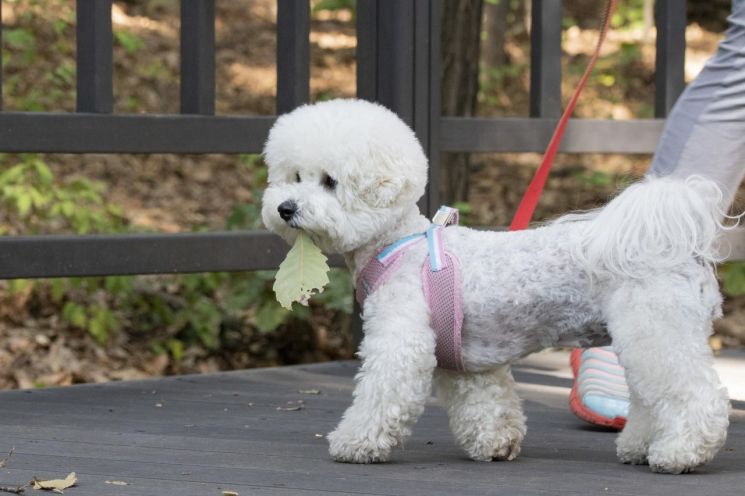 An analysis has revealed that more people are leaving their inheritance to their pets. On the 18th (local time), the British newspaper The Times reported that the practice of bequeathing inheritance to pets has been on the rise recently.
 [Photo source=Pixabay]
Seamus O'Brien, a lawyer at this law firm, said, "More people are planning their estates considering how their death will affect their pets." Some wealthy individuals establish separate foundations or trust institutions to leave their inheritance to their pets. It is reported that famous American broadcaster Oprah Winfrey has prepared for a case where if she dies before her three pets, 30 million dollars (about 40.2 billion KRW) of her assets could be inherited by her dogs.
This change is appearing not only among the wealthy but also among ordinary people. Those who leave inheritance to their pets usually find a person to take care of the pet after their death and then pass on the assets, or transfer the assets through a pet trust. Legally, pets are considered personal property, so it is not possible to directly leave assets to them.
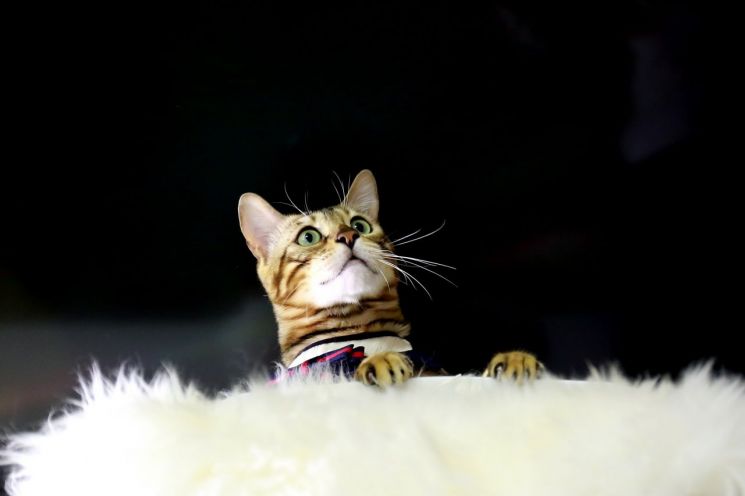 Karl Lagerfeld, the chief designer of the French luxury brand Chanel who passed away in 2020, made headlines for leaving a legacy of 1.2 million pounds (approximately 2.1 billion won) to his cat, Choupette. The photo is not related to the specific content of the article. [Photo by Pixabay]
Recently, pet trusts have been gaining attention. A pet trust is a trust contract established to provide funds to a new guardian who will take care of the pet in case the owner cannot care for the pet due to death or illness. A representative example is the United States, where after Wisconsin enacted the Pet Protection Trust Act in 1969, all states, with Minnesota being the last in 2016, now allow inheritance to pets through trusts.
In the U.S., pet trusts involve the pet owner purchasing life insurance in their name so that the life insurance proceeds after death are used as pet trust funds. The owner can provide detailed instructions on who will care for the pet and how the pet, as the trust beneficiary, will be cared for with the trust funds. Some life insurance companies and trust companies in Japan also offer pet trust products. These products combine the existing 'Anshin Support Trust' with a pet trust structure to leave inheritance to pets.
In South Korea, a bank first introduced a pet trust-related product in 2021. This product involves entrusting funds to the bank during the owner's lifetime and leaving pet care funds to a caregiver who will raise the animal. It features the ability to select various managed assets according to investment preferences and allows the transfer of trust property to the caregiver after death.
The emergence of pet trusts coincides with the growth of the pet market. According to statistics from a report published by KB Financial Group Management Research Institute, as of 2023, the number of households raising pets in South Korea is estimated at 6.04 million. Statistics from the Ministry of Agriculture, Food and Rural Affairs and the Korea Institute for Industrial Economics & Trade forecast that the domestic pet market will exceed 6 trillion KRW by 2027. Accordingly, the demand to leave assets to pets after death is also increasing, but there are not many cases that actually lead to contracts.
This is due to low awareness of pet trusts themselves and institutional limitations. Above all, the biggest problem is that there is no institution to supervise whether the funds entrusted by the owner after death are actually used for the pet and whether the contract is properly executed. Also, there is no legal basis to protect pets in cases of disputes over gifts or inheritance using the statutory reserved portion system.
© The Asia Business Daily(www.asiae.co.kr). All rights reserved.
![Clutching a Stolen Dior Bag, Saying "I Hate Being Poor but Real"... The Grotesque Con of a "Human Knockoff" [Slate]](https://cwcontent.asiae.co.kr/asiaresize/183/2026021902243444107_1771435474.jpg)

















