As COVID-19 is resurging recently and the heatwave continues day after day, the use of air conditioning has increased, leading to a rapid rise in air conditioning sickness. Air conditioning sickness refers to various physical symptoms that occur when staying in cold and enclosed spaces for a long time. Professor Choi Jun-yong of the Department of Infectious Diseases at Severance Hospital said, “The symptoms of air conditioning sickness are very similar to the early symptoms of COVID-19,” and advised, “It is important to distinguish between air conditioning sickness and COVID-19 and respond appropriately.”
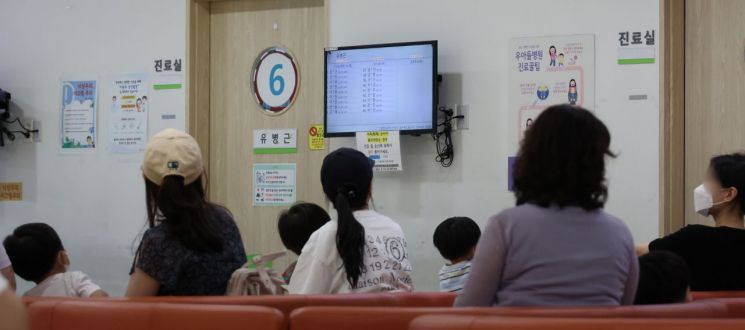
Both diseases share early symptoms such as respiratory symptoms like runny nose and sneezing, indigestion, fatigue, and lethargy. However, COVID-19 is accompanied by high fever, severe muscle pain, sore throat, and difficulty breathing. If symptoms do not improve over time or if COVID-19-specific symptoms such as loss of smell and taste appear, it is advisable to get tested for COVID-19.
Air conditioning sickness occurs when the body shivers or feels chills to generate heat after prolonged exposure to air conditioners or cooling devices, which can also cause headaches. If cold-like symptoms appear after long exposure to air conditioning, it is important to keep the body warm and get sufficient rest. However, if muscle pain, cough, or fever above 37.5 degrees Celsius persist, it is necessary to differentiate not only COVID-19 but also Legionella infection, which can accompany air conditioning sickness, so it is best to get examined and tested through medical consultation.
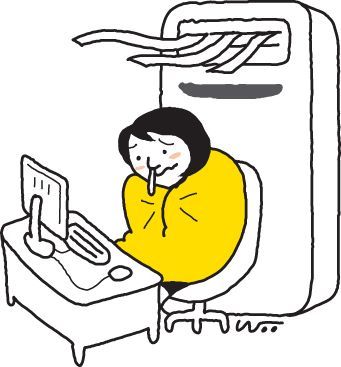 [Photo by Pixabay on the right]
For prevention of both diseases, it is essential to follow preventive measures. For COVID-19, personal hygiene rules such as hand washing must be observed. Elderly people or those with underlying conditions who are at risk of severe illness should wear masks when visiting crowded places. Since the effectiveness of the COVID-19 vaccine decreases after six months, high-risk groups (those aged 65 and older, immunocompromised individuals aged 12 to 64, and members of infection-vulnerable facilities) should receive the vaccine annually.
Prevention of air conditioning sickness is important. Air conditioner filters should be cleaned at least once every two weeks and thoroughly dried in sunlight after washing. Additionally, ventilation should be done for more than 5 minutes every 2 hours, and indoor temperature should be maintained at 25 to 26 degrees Celsius when using air conditioning.
© The Asia Business Daily(www.asiae.co.kr). All rights reserved.

















