Japanese Portal Design That Feels 'Old-fashioned'
Feels More Comfortable in High-context Societies
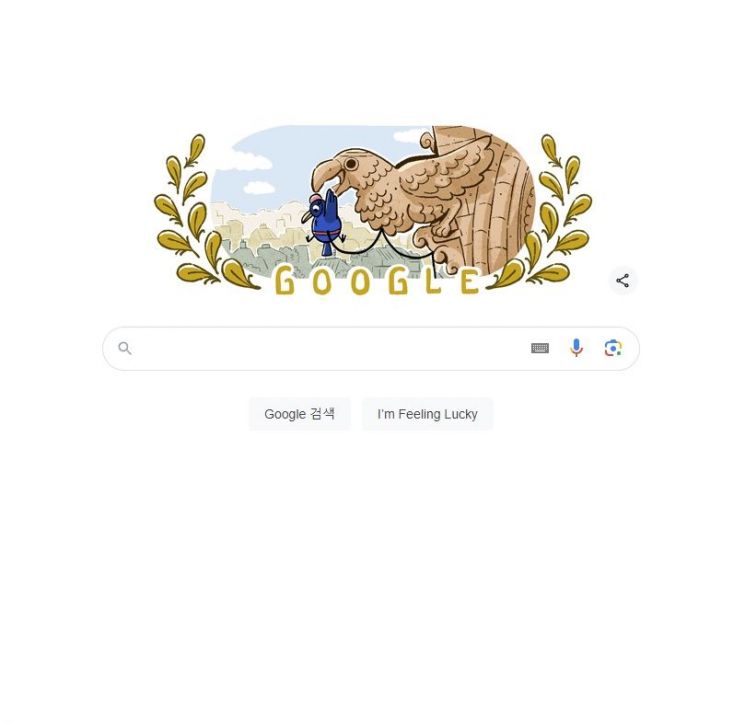
Japanese portal sites like 'Yahoo Japan' are notorious for their characteristically cluttered web design. Unlike Google, which features a single search bar on a clean interface, these sites give the impression of news, photos, content, and text being haphazardly arranged.
So, what do Japanese users who actually use these portals think? A Japanese web designer recently gained attention by explaining why Japan's uniquely chaotic portal designs are actually more 'convenient.'
Japanese Website Design That Feels Like a Jump Back to the 20th Century
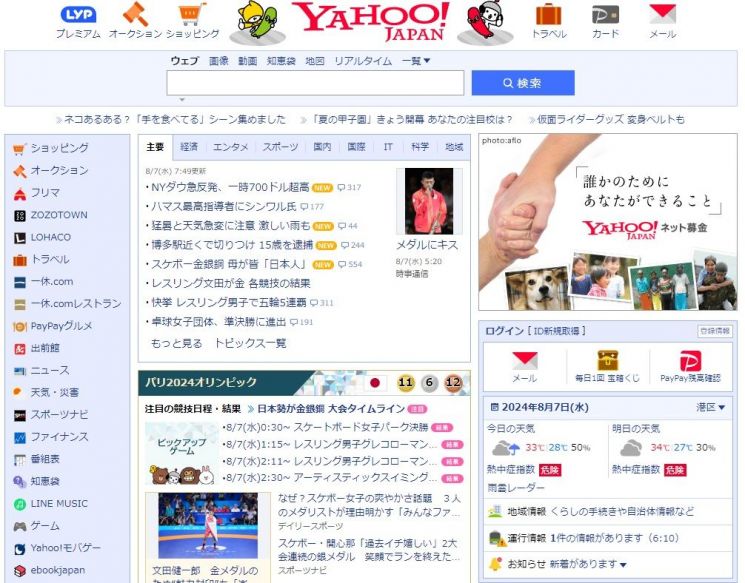
Web designer and cognitive scientist YouTuber Yu recently uploaded a video titled "Japanese Web Design: Strange, but It Works" on his channel. In this video, he introduced the design differences between globally used portals like Google and Japanese portals.
Websites like Google maintain a simple design with only a search bar on the homepage. However, Japanese sites are different. Japanese websites such as Yahoo Japan and Livedoor are filled with photos, banners, detailed categories, and numerous texts below the search bar.
Yu described this as "a design that feels like traveling back to the 1900s," but emphasized that "while it may seem strange to generations accustomed to modern web design, Japanese people find this design more comfortable."
The Advantage of Complex Design... Reducing 'Unexpected Outcomes'
Why do Japanese websites choose complex designs? Yu analyzed that the reason lies in differences in 'user experience.' Japanese users reportedly feel more discomfort from 'unexpected outcomes' than Western internet users.
In other words, web designs that minimize explanations and pursue simplicity with only images and buttons can lead users to results that differ from their intentions. However, by subdividing categories and providing detailed explanations for each item with images and text, as Japanese portal sites do, this uncertainty can be minimized.
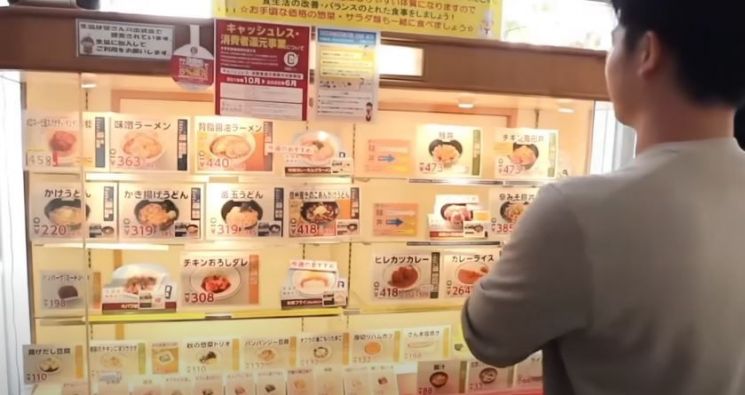
Yu emphasizes that this intentional complexity is prevalent not only on the internet but throughout Japanese society. A representative example is the ordering kiosks in Japanese restaurants.
Modern kiosks focus on simplifying the screen by providing minimal information such as food photos, prices, and brief descriptions, but Japanese restaurant kiosks are filled with numerous explanations and notifications. Although it may seem complicated at first glance, it actually offers greater 'comfort' by reducing the likelihood of customers encountering unexpected situations.
Do Cultural Differences Also Influence the Internet?
Yu explains that these distinctions stem from cultural differences. Unlike Western countries, Japan is a 'high-context culture.' High-context and low-context cultures are distinguished by the extent to which indirect communication methods (such as gestures or atmosphere) are used in communication.
Low-context cultures like the West generally convey messages through direct conversation, whereas in Japan, indirect expressions are more common. Being a high-context culture, Japan inevitably puts more effort into 'polite' explanations than Western countries.
In fact, portal sites in East Asian countries such as Korea and China often prefer more detailed designs than Western portals. Yu suggests that this may also be a unique characteristic of low-context cultures.
© The Asia Business Daily(www.asiae.co.kr). All rights reserved.
!["The Woman Who Threw Herself into the Water Clutching a Stolen Dior Bag"...A Grotesque Success Story That Shakes the Korean Psyche [Slate]](https://cwcontent.asiae.co.kr/asiaresize/183/2026021902243444107_1771435474.jpg)


















