Wholesale price for 60kg is about 250,000 won
Purchase limits per person are also imposed at marts
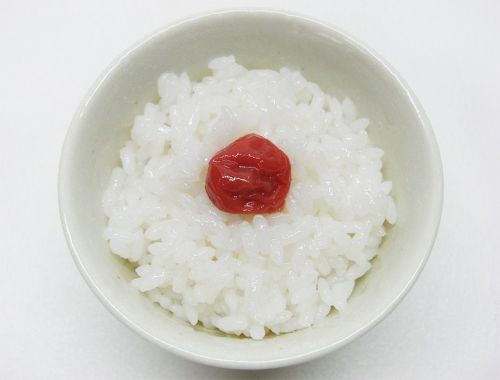
Japan's demand for rice for cooking has been on the rise for the first time in 10 years. Along with this, the wholesale price of rice in Japan has reached its highest level in over 30 years. Some stores have even imposed purchase limits per person.
According to Japanese media such as Kyodo News and Nihon Keizai Shimbun (Nikkei) on the 30th, the Ministry of Agriculture, Forestry and Fisheries of Japan announced that the demand for rice (excluding processed rice, based on staple food use) from July 2023 to June 2024 is estimated at 7.02 million tons, an increase of 110,000 tons (1.6%) compared to the same period last year.
This is the first time since July 2013 to June 2014 that domestic demand for rice for cooking in Japan has shown an upward trend. Japan's rice demand had been decreasing by about 100,000 tons annually due to population decline.
As demand increased, rice prices have soared. On the same day, Nihon Keizai Shimbun reported that the wholesale price of Niigata-grown Koshihikari, one of the major rice varieties, for 60 kg recently reached 28,050 yen (approximately 250,000 KRW). This surpasses the 27,250 yen recorded in September 2003 when production declined due to cold damage, and is the highest level since July 1994 during the "Heisei Rice Crisis," when prices reached 52,500 yen.
The Ministry of Agriculture, Forestry and Fisheries attributed the increase in rice demand after 10 years to substitute demand resulting from the relatively moderate rise in rice prices compared to noodles and bread, as well as an increase in inbound tourists to Japan. The rice consumption increase due to inbound tourists was estimated to be about 30,000 tons. Additionally, the decrease in rice production in major producing areas caused by last year's heatwave also had an impact.
With rice supply becoming tight, some supermarkets have taken measures such as limiting purchase quantities per person. The Japanese government views the increase in rice demand as a temporary phenomenon. The Ministry of Agriculture, Forestry and Fisheries forecasts that the demand for the one-year period from July 2024 to June 2025 will decrease by 290,000 tons to 6.73 million tons compared to the previous year.
© The Asia Business Daily(www.asiae.co.kr). All rights reserved.