Using Maggots, Honey, and Placenta for Wound Treatment
Maggot Therapy as Antibiotic Resistance Increases
A study from a hospital in Iran has reported treating diabetic patients' foot ulcers using maggots, honey, and human placenta.
On the 19th (local time), the British Daily Mail covered the maggot therapy published in the International Journal of Surgery.
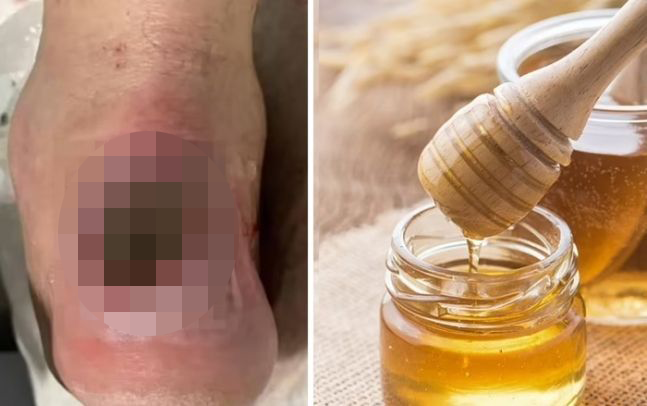
The journal detailed a case where a 7cm long pressure ulcer on the heel of a patient who had suffered from type 2 diabetes for 15 years did not heal despite 6 months of wound cleaning and antibiotic treatment. However, after removing the dead tissue and applying maggot therapy four times, the wound healed.
The Iranian doctors explained, "After removing the dead tissue from the wound, we applied maggot therapy four times," adding, "This therapy uses fly larvae to break down bacteria in the wound and release chemicals that stimulate the healing process."
Local media reported that doctors from the UK's National Health Service (NHS) sometimes use this treatment to fight infections.
The research team dressed the wound with a special honey known as Med-honey, which has proven antimicrobial and anti-inflammatory properties, changing the dressing every 48 hours. Simultaneously, they applied human amniotic membrane (HAM) therapy, using the inner part of the placenta on the wound. This treatment is known to restore the barrier function of the wound and maintain moisture, aiding tissue regeneration.
Growth factors within the cell membrane helped heal the damaged tissue. The research team stated that cytokines provided biological responses within the wound's "microenvironment."
The team reported, "After more than three months of treatment, the wound size significantly decreased, inflammation and infection were reduced, and the wound showed improvement with closure."
The use of maggots in wound treatment in modern medicine began during World War I. A doctor discovered that wounds with maggots healed faster, leading to widespread use of maggot therapy, which declined in the 1940s with the increased use of antibiotics.
However, with the recent rise in antibiotic resistance making wound treatment more difficult, medical professionals are increasingly compelled to resort to maggot therapy again.
© The Asia Business Daily(www.asiae.co.kr). All rights reserved.
![Clutching a Stolen Dior Bag, Saying "I Hate Being Poor but Real"... The Grotesque Con of a "Human Knockoff" [Slate]](https://cwcontent.asiae.co.kr/asiaresize/183/2026021902243444107_1771435474.jpg)
















