Wage Increases in IT and Electric Vehicle Industries
Real Estate Market Benefits as Semiconductor Wealth Grows
Amid the artificial intelligence (AI) boom, workers at Taiwanese semiconductor companies are enjoying a boom as their wages have risen significantly, with bonuses reaching up to twice their annual salaries, major foreign media reported on the 17th (local time).
Investors, economists, and HR experts stated that the wealth, which had been limited to senior managers and engineers at major Taiwanese tech companies, has recently spread throughout society.
Mark Deh, chairman of Fuhua Investment Trust, Taiwan's largest fund management company, said, "The effect of wealth is expanding, and new groups and young talents are benefiting."
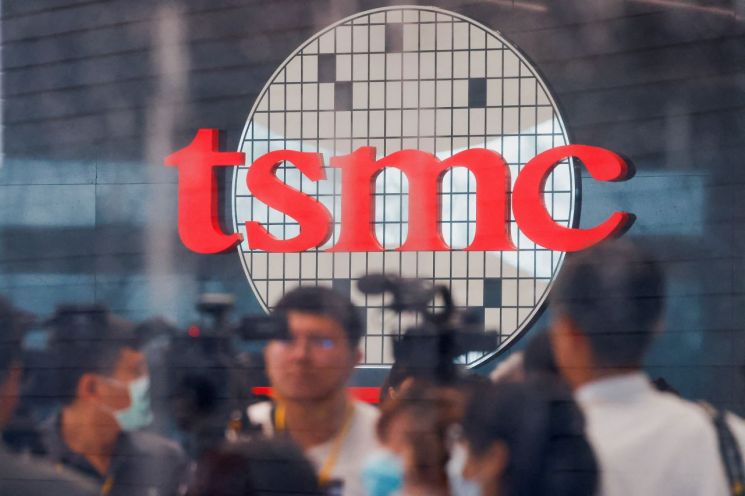
The main driver of wealth creation is TSMC, the world's largest foundry (semiconductor contract manufacturer). TSMC announced that its sales increased by 40% in the second quarter.
However, recently, beyond TSMC, hundreds of Taiwanese companies in the AI supply chain?including semiconductor design firms, server manufacturers, and semiconductor testing equipment suppliers?are raising employee compensation thanks to the AI boom. According to foreign media, many senior and mid-level managers at AI supply chain companies received bonuses exceeding twice their annual salaries last year.
Winway, a semiconductor testing product supplier, paid its employees bonuses equivalent to 30 months' salary last year. The median salary of non-executive employees at Global Unichip, a semiconductor design company, rose by one-fifth last year, marking the third consecutive year of increase. The median salary at Chaintech Computer, an AI server company, increased by more than one-quarter last year.
It is not only the recent AI boom. Earlier, during the COVID-19 pandemic, IT companies benefited from a surge in demand for electronic device replacements due to increased remote work. Many companies also saw benefits from the spread of electric vehicles.
Additionally, first-generation Taiwanese entrepreneurs are passing wealth to their children, and Taiwanese businesspeople who previously focused manufacturing and investment in China are returning to Taiwan as the investment environment in China deteriorates, increasing wealth.
Recently, global investment bank UBS forecasted that the number of millionaires in Taiwan will increase by 47% by 2028, driven by the semiconductor effect. This is the largest increase rate in the world.
Supported by this, consumption within Taiwan is also increasing. For example, sales of the luxury car Ferrari in Taiwan have doubled over the past four years.
Chairman Deh said, "People are pouring their salary increases into real estate," adding, "The real estate market is growing significantly, which also benefits other industries."
The wage increases that started in the AI-related industry are spreading throughout Taiwan. Along with the growth of the real estate market, the median salaries of non-executive employees at Taiwanese building materials and construction companies also rose significantly last year.
Moreover, combined with labor shortages caused by population decline, wages are rising even in low-wage service jobs. According to Taiwan's employment agency 104 Job Bank, wages in the hotel and restaurant sectors increased by 5.5% this year.
However, there are limits to this wealth effect, and it is also evaluated that many parts of Taiwanese society have yet to benefit.
Foreign media pointed out that in the Taiwanese general election held last January, many young people dissatisfied with low wages for those starting their careers and the widening gap between workers in advanced technology industries and the domestic service sector left the ruling Democratic Progressive Party in large numbers.
They also reported that high-income technology workers are driving up housing prices, making it impossible for young workers in other industries to buy homes. According to Taiwan's Ministry of the Interior, residential real estate prices were equivalent to 8.6 years of average salary four years ago but now correspond to 10 years of average salary.
© The Asia Business Daily(www.asiae.co.kr). All rights reserved.

















