The Economist reported on the 26th (local time) that this year's summer on Earth will come with dangerously high temperatures.
According to the report, last year's global average temperature set record highs every month. The publication noted that cases of heatwave-related damage are already being reported worldwide.
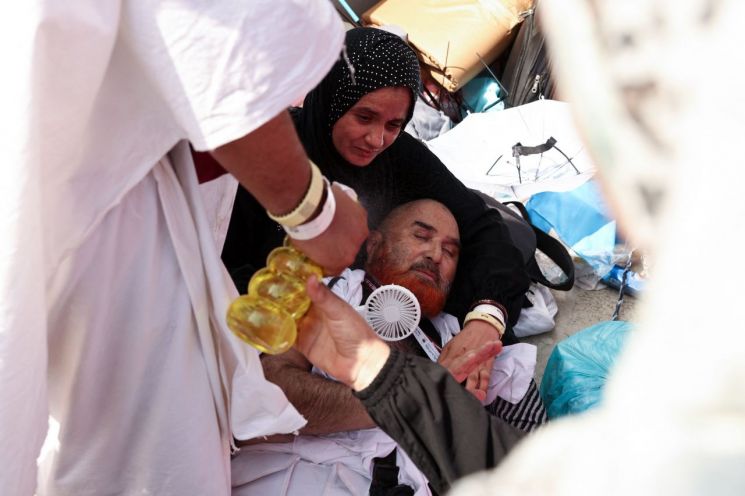
During the regular pilgrimage period in the Islamic world, which lasted until the 19th, Saudi Arabia experienced deadly heat with daytime temperatures exceeding 50 degrees Celsius, resulting in over 1,300 deaths due to heat-related illnesses.
In New Delhi, India, a heatwave with daytime temperatures above 40 degrees Celsius lasted for 40 days between May and June, and in Mexico, daytime temperatures reached up to 45 degrees Celsius, causing approximately 150 monkeys to die from heatstroke.
The human toll from such warming has been increasing over the past two decades. According to a study published in the medical journal The Lancet, the annual average number of deaths worldwide due to heatwaves from 2000 to 2019 was estimated at 489,000. The Economist noted, "Considering this trend, it is not surprising that this summer is expected to be harsh."
The publication also pointed out that economic losses due to heatwaves are growing. Another study published in The Lancet estimated that in 2022, the global loss of working hours due to heat reached 490 billion hours, which is nearly 42% higher than the average annual loss from 1991 to 2000.
Experts advise paying attention to regions vulnerable to heatwaves due to insufficient summer infrastructure. Adiiya Bariatan Pillai, a researcher at the Sustainable Future Collaboration (SFC) in India, emphasized, "We need to identify where the three data points?income, electricity, and water supply?are the lowest. That is where you should focus."
The Economist urged governments worldwide to review and enhance their heatwave preparedness measures, citing the example of Madrid, Spain, as a model case. Madrid has established response plans including shortening or adjusting school hours, increasing the frequency of public transportation, and providing subsidies for upgrading home air conditioning systems to cope with heatwaves.
© The Asia Business Daily(www.asiae.co.kr). All rights reserved.
![Clutching a Stolen Dior Bag, Saying "I Hate Being Poor but Real"... The Grotesque Con of a "Human Knockoff" [Slate]](https://cwcontent.asiae.co.kr/asiaresize/183/2026021902243444107_1771435474.jpg)
















