The U.S. government is rapidly introducing policies that could cause a seismic shift in the bioindustry, drawing attention to their potential impact on the domestic industry. While these policies are classified as 'favorable' for the domestic sector, experts point out that global competition aiming to benefit from these advantages may intensify, necessitating meticulous preparation.
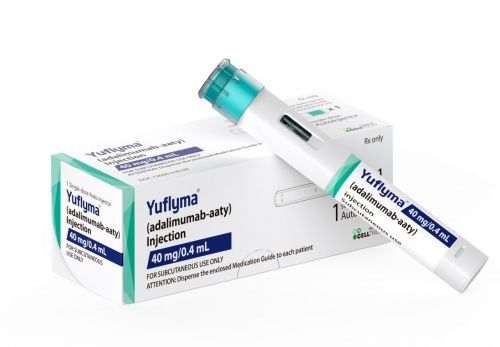 Celltrion's biosimilar of the autoimmune disease treatment Humira, 'Yuflyma'. It has currently demonstrated interchangeability with Humira in clinical trials and has applied for interchangeability approval from the U.S. Food and Drug Administration (FDA).
 [Photo by Celltrion]
The U.S. Food and Drug Administration (FDA) recently accelerated efforts to abolish the 'interchangeability' certification system related to biosimilars. Unlike conventional synthetic drugs (chemical drugs), biologics are difficult to produce as completely 'identical' products due to their biological characteristics. This is why they are called 'similar' or 'biosimilars.' Consequently, in the U.S., pharmacists were not allowed to autonomously substitute an original biologic prescribed to a patient with a biosimilar. However, substitution was permitted if interchangeability was recognized through additional clinical trials, leading biosimilar developers to invest heavily in securing interchangeability as a competitive advantage. To date, a total of 13 products have been designated as interchangeable biosimilars.
However, the FDA recently initiated revisions to its guidance stating that 'studies demonstrating the impact of interchangeability between original drugs and biosimilars are no longer necessary.' This follows numerous studies showing no safety differences between patients prescribed biosimilars and those who are not. Industry analysts believe the fundamental reason is the high cost of drugs in the U.S. Previously, the Biden administration announced, as part of the Inflation Reduction Act (IRA) aimed at lowering high medical costs, that substitution of all biosimilars would be allowed. Notably, despite the launch of biosimilars for the blockbuster autoimmune disease drug Humira in the U.S. last year, Humira still holds over 80% market share, and cost reductions through biosimilars have not materialized, which is seen as a factor driving this policy change.
In Korea, biosimilar developers such as Celltrion and Samsung Bioepis are still investing significant time and costs to secure additional interchangeability during biosimilar development, so it is expected that their burden will be greatly reduced.
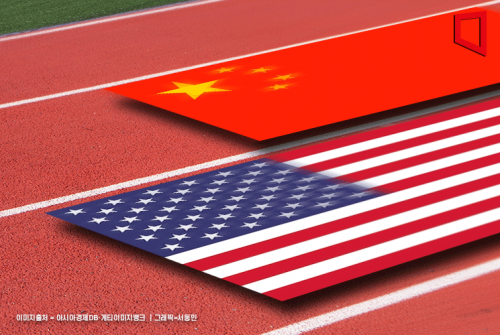
Another key policy change is the Biosecurity Act. Its purpose is to curb the activities of hostile biotechnology companies related to the U.S. and prevent the leakage of Americans' genetic information. The bill has passed both the U.S. House and Senate committees and awaits final approval. Once enacted, Chinese companies specified in the bill, such as Beijing Genomics Institute (BGI, Huada) and Wuxi AppTec, will be prohibited from transactions with U.S. administrative agencies or companies supported by the U.S. government.
Industry attention is focused on the recent addition of Wuxi Biologics, a Chinese contract development and manufacturing organization (CDMO), to the list of regulated entities. As Wuxi Biologics, considered one of the global CDMO 'Big 4,' faces a complete cutoff from Western countries, this is expected to be a major boon for domestic CDMO companies. Since Korea is classified as a U.S. ally, demand from pharmaceutical and bio companies seeking new CDMOs is likely to increase.
Researcher Jung Yoo-kyung from Shin Young Securities analyzed, "Products subject to the Biosecurity Act will not be covered (reimbursed) by public insurance programs Medicare and Medicaid under the Centers for Medicare & Medicaid Services (CMS), a U.S. public institution," adding, "Global pharmaceutical companies with numerous drugs are expected to concretely move to terminate transactions with companies subject to the Biosecurity Act early." In fact, at the Bio International Convention (BIO USA) held in the U.S. earlier this month, many small and medium CDMO companies such as Lotte Biologics, SK Pharmteco, ST Pharm, and Prestige Biologics actively sought partners alongside major CDMO Samsung Biologics.
An industry insider explained, "Policy changes such as the IRA and the Biosecurity Act clearly represent favorable conditions for Korean companies," but added, "The biosimilar market still faces numerous patent-related thickets, and the benefits from the Biosecurity Act are also challenged by many competitors with similar capabilities in Japan and Europe. Therefore, companies must make concerted efforts to develop thorough competitiveness to realize these advantages."
© The Asia Business Daily(www.asiae.co.kr). All rights reserved.


















