Expansion of 11 Smart Intersections and 12 Crosswalks
Proven Improvement in Traffic Flow After Phase 1 ITS Implementation
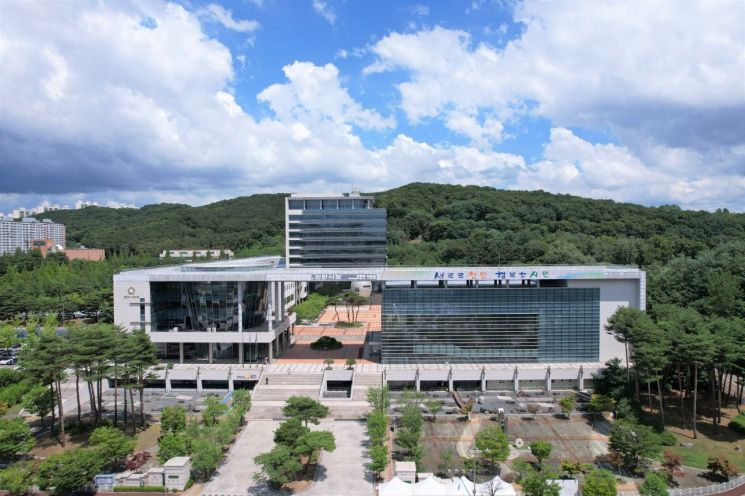 Cheonan City, Chungnam Province, has completed the selection of the contractor for the 2023-2024 Intelligent Transportation System (ITS) Phase 2 project and has commenced the project.
Cheonan City in Chungnam is entering the second phase of its Intelligent Transportation System (ITS) development.
The city has completed the selection of the ITS second-phase project contractor for 2023-2024 and has commenced the project to prepare for the future mobility era, including autonomous driving.
Previously, in the first phase from 2022 to 2023, the city invested 9.5 billion KRW to establish an AI-based digital traffic system, including traffic information collection and emergency vehicle alert electronic signboards, across 199 locations along 64 km of major roads.
As a result, the average travel speed on seven major roads, including Ssangyong-daero, increased by 7% from 22.4 km/h to 24 km/h, and the average control delay at intersections decreased by 9.5% from 70.9 seconds to 64.2 seconds, significantly improving vehicle flow.
Building on these achievements, the city will invest 4.5 billion KRW in the second phase to expand 11 smart intersections and 12 smart crosswalks and introduce traffic signal analysis simulations.
Using real-time traffic information collected through smart intersections on major roads, the city will actively respond to traffic congestion by coordinating signal operation systems with the police and the Korea Road Traffic Authority based on traffic signal analysis simulation results for congested sections.
Additionally, to prepare for the autonomous driving era, the city will pilot the opening of real-time traffic signal information on certain sections, allowing drivers to receive signal displays and remaining time for their driving routes through private navigation systems.
Mayor Park Sang-don stated, “The first phase of the ITS project improved travel speeds on major roads and intersection crossing times,” adding, “The second phase will maximize the citizens’ experience by expanding detailed traffic infrastructure within road sections.”
© The Asia Business Daily(www.asiae.co.kr). All rights reserved.

















