Dobong-gu Expands 'Dobong-type Crisis Household Reporting Reward System'
Reward Increased from 30,000 to 50,000 KRW per Case, Seoul's First Expansion of Payment Scope
Crisis Household Reports Accepted via Visit or Phone to Local Community Service Centers
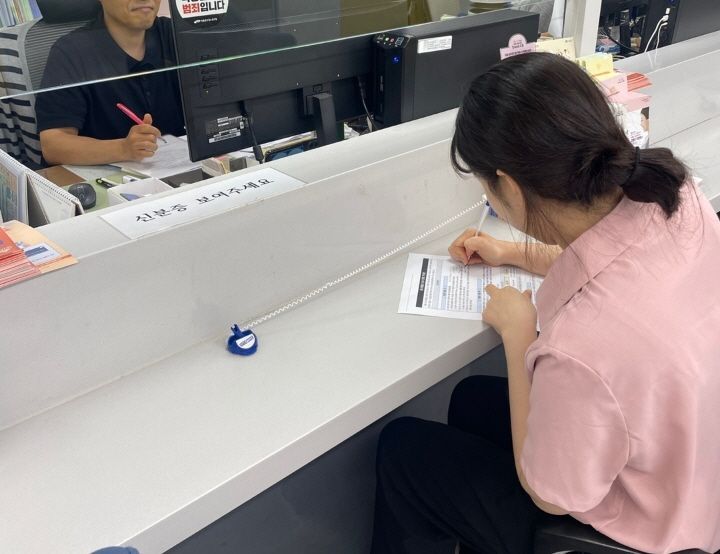
Dobong-gu (District Mayor Oh Eon-seok) will pay a reward of 50,000 KRW to residents who discover and report households in crisis within welfare blind spots.
The district announced on the 10th that it has increased the reward amount and relaxed the payment criteria for the ‘Dobong-type Crisis Household Discovery Reporting Reward System’.
The reward paid to residents who discover and report crisis households has been raised from 30,000 KRW to 50,000 KRW per case, and the payment scope has been expanded to include emergency welfare recipients and Seoul-type emergency welfare support recipients.
The district expects that this expansion of the reward system will raise neighbors’ interest in discovering welfare blind spots and crisis households within the community.
The ‘Dobong-type Crisis Household Discovery Reporting Reward System’ is a program that pays rewards to residents who discover and report crisis households in welfare blind spots. Last year, there were a total of 48 reports, of which 11 were rewarded. In terms of reward amounts, this is the highest among the 25 autonomous districts of Seoul.
Anyone can report a crisis household. If you discover a household in need of economic or physical assistance due to unemployment, illness, or other crisis situations that make economic activity difficult, you can report by visiting or calling the local community service center (dong resident center) that has jurisdiction over the crisis household’s address (residence). It is also possible to report through the Dobong Welfare website, the Dobong Crisis Household Discovery Platform, or the KakaoTalk channel ‘Dobong Hope Notification Talk’.
Afterward, if the reporting resident is selected as a basic livelihood security recipient, near-poverty class, single-parent family, Seoul-type basic security system recipient, emergency welfare recipient, or Seoul-type emergency support recipient, they can receive the reward. The reward is 50,000 KRW per case, with a maximum annual amount of 300,000 KRW. However, if the reported case involves an existing social security benefit recipient, or if the crisis household party or mandatory reporter themselves made the report, the reward cannot be paid.
For the reported crisis households, the local community service center immediately conducts an on-site investigation and provides customized support suitable for the crisis household’s situation, such as linking to other welfare services. Subsequently, follow-up monitoring is conducted through human safety nets such as the local community social security council, honorary social welfare officers, neighborhood care groups, and private welfare base institutions to check if the crisis household is facing any difficulties.
Oh Eon-seok, Mayor of Dobong-gu, said, “There are still many neighbors in the area who need help. I ask residents to take an interest and be sure to report when they discover neighbors in difficulty.” He added, “We will continue to strengthen the local welfare system in Dobong-gu and build a dense welfare safety net.”
© The Asia Business Daily(www.asiae.co.kr). All rights reserved.