"Hwaseong-11A, Difficult for Ukrainian Forces to Intercept"
10,000 Containers Moved Since the Outbreak
UN Sanctions on North Korea Ineffective... Arms Trade Expands
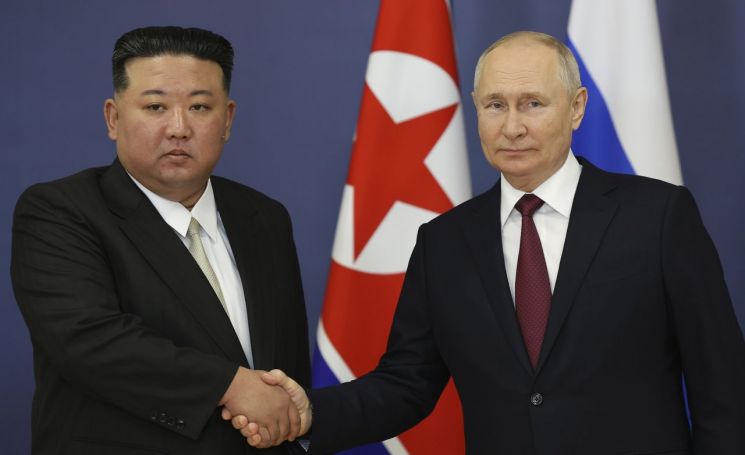
Russian President Vladimir Putin visited North Korea for the first time in 24 years, strengthening bilateral relations and increasing the likelihood of expanded North Korean arms exports to Russia in the future.
The Russian military is eager to import large quantities of North Korea's Hwasong ballistic missiles, which are difficult for Ukrainian forces to intercept. Since most North Korean weapons are upgraded versions of former Soviet weapons, they are compatible with existing Russian arms and easy to use. The growing volume of arms trade between the two countries is raising concerns that UN sanctions on North Korea will become even harder to enforce.
The 'Hwasong-11A' Missile Behind Putin's First Visit to North Korea in 24 Years
According to Russia's TASS news agency, President Putin made a state visit to North Korea on the 18th and held talks with Supreme Leader Kim Jong-un. The main reason for Putin's first direct visit to North Korea in 24 years and the summit was to expand ammunition and weapons supplies amid shortages caused by the prolonged war in Ukraine.
In a commemorative article for the Labor Newspaper during his visit, President Putin publicly expressed gratitude for North Korea's support of Russia's special military operation in Ukraine, stating, "We highly appreciate North Korea's firm support for Russia's special military operation in Ukraine, its solidarity with us on major international issues, and its joint stance and position on the UN stage." This suggests that more arms supply contracts are expected to be signed in the future.
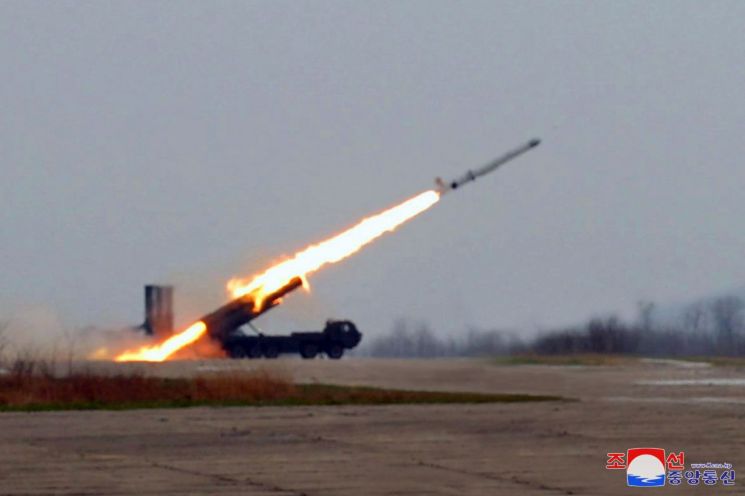
The weapon that President Putin and the Russian government are most deeply interested in is undoubtedly the Hwasong-11A missile. Also known as the KN-23 missile, it is believed to be modeled after Russia's Iskander missile, featuring high precision and being very difficult to intercept. Since January, after large-scale airstrikes by the Russian military across Ukraine, fragments resembling this missile have been found in some areas, raising suspicions of North Korean exports.
This missile is classified as a short-range ballistic missile (SRBM) with a range of around 200 km, but it is capable of irregular flight maneuvers to evade enemy interception. Since the start of the war, the Russian military has imported at least 60 of these missiles from North Korea and has deployed most of them on the Ukrainian battlefield for airstrike purposes.
Russia Imports All Types of North Korean Weapons Including Ammunition and Rifles... Easy Compatibility Due to Former Soviet Origin
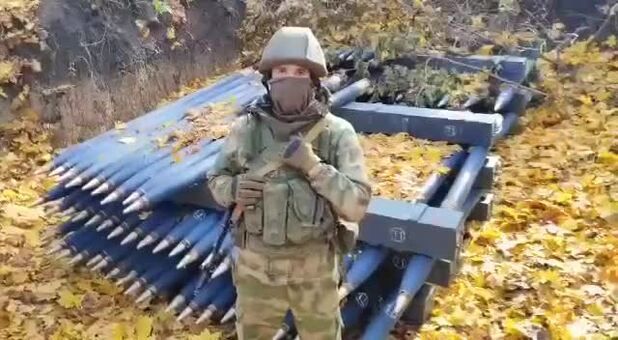 A Russian soldier expressing gratitude for North Korea's weapons support through a Telegram channel last November. [Image source=Telegram]
Along with the Hwasong missiles, Russia is also believed to be importing large quantities of small arms such as rifles and ammunition from North Korea. Given the prolonged war in Ukraine and sanctions against Russia, which have depleted weapon stocks and weakened additional production capacity, North Korean weapons upgraded from former Soviet models are easy to integrate and cost-effective for Russia.
According to The New York Times (NYT), since the outbreak of the Ukraine war until this month, the amount of weapons delivered from North Korea to Russia has reached the equivalent of 10,000 containers. It is estimated that a wide variety of weapons have been exported, including ballistic missiles, ammunition, rifles, rocket launchers, mortars, and 152mm artillery shells. Notably, the 152mm shells, known as the main artillery ammunition for the Russian military, are standard in former Soviet and Eastern Bloc countries, differing from the 155mm shells commonly used by Western countries, making them difficult to obtain outside North Korea.
Russian authorities deny any arms trade with North Korea, claiming compliance with UN sanctions, yet they publicly express gratitude for North Korea's weapons supplies. In November last year, a Telegram channel operated by the Russian military released a video showing a Russian soldier thanking North Korea for supplying artillery shells.
UN Sanctions on North Korea Weakened... Difficult to Block Arms Trade
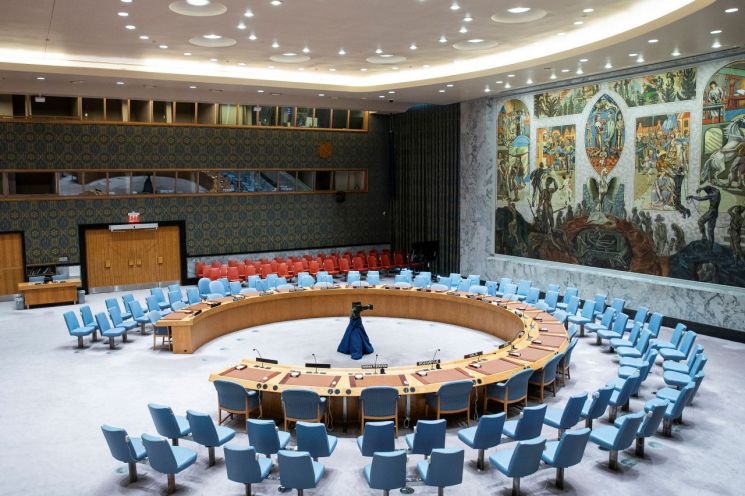
As the scale of arms trade between North Korea and Russia expands, concerns are rising that the two countries could effectively nullify UN sanctions on North Korea. If North Korean weapons continue to be supplied to Iran and Middle Eastern armed groups via the Russia export route, controlling arms exports through UN sanctions could become practically impossible.
According to Voice of America (VOA), the Australia Group, a coalition of countries aimed at preventing the spread of chemical and biological weapons, recently expressed concern that the UN Security Council's Panel of Experts on North Korea sanctions is at risk of disbandment due to Russia's veto. Earlier, in March, Russia vetoed the extension of the Panel of Experts after it released a report exposing arms trade between North Korea and Russia.
Before his visit to North Korea, Vladimir Putin stated, "We will develop trade and mutual payment systems free from Western control and jointly oppose unilateral illegal restrictive measures." This indicates that Russia is likely to continue efforts to weaken UN sanctions on North Korea in the future.
© The Asia Business Daily(www.asiae.co.kr). All rights reserved.



















