December 12, Joint Public-Private Investigation Results Announced
"Child Death Found to Have Low Causality"
Sky Varicella Vaccine Continues to Be Used in National Immunization Program
The Korea Disease Control and Prevention Agency (KDCA) announced on the 12th that an in-depth investigation and analysis involving the Ministry of Food and Drug Safety and related experts found no safety concerns regarding the varicella vaccine 'Sky Varicella'.
This vaccine is a varicella vaccine for children aged 1 to 12 years, and recently, reports of adverse events such as herpes zoster occurring after vaccination have increased. Although there were cases of death in children related to Sky Varicella vaccination, the KDCA explained that the causal relationship with the vaccine is weak.
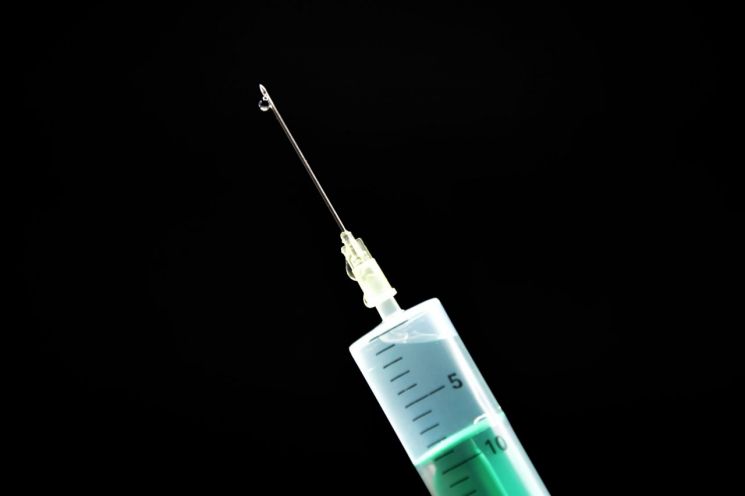
According to the KDCA, from 2018 until May of this year, a total of 1,888,631 varicella vaccinations were confirmed, and there were 29 reports of herpes zoster occurring after vaccination, with a reporting rate of 0.0015%. The reporting rate of herpes zoster after Sky Varicella vaccination was 0.003%.
The KDCA conducted epidemiological investigations on the 29 reported herpes zoster cases and found that all of them improved without any significant complications. Additionally, analysis of big data from the National Health Insurance Service confirmed that there were no significant differences in severity, such as hospitalization duration, among different vaccines when herpes zoster occurred after vaccination.
Furthermore, during the investigation, one death case suspected to be related to the varicella vaccine was reported. However, after an objective review of the medical records and epidemiological investigation of the deceased child by an expert panel including hematologic oncology specialists, it was concluded that the causal relationship between the varicella vaccine and the death case was weak. Experts noted that considering the child’s immune status, the varicella vaccine itself was not a direct cause of death.
The KDCA stated that the results of the Vaccination Expert Committee meeting held on the 26th of last month to investigate the safety of the product were as described above, and based on this, it was decided to continue using Sky Varicella as part of the national immunization program. However, considering the higher incidence of herpes zoster after Sky Varicella vaccination compared to other vaccines, special caution will be advised for high-risk groups such as immunocompromised individuals.
The Vaccination Expert Committee formed a working group consisting of three pediatric infectious disease experts, one virology expert, one pharmacoepidemiology expert, representatives from the National Health Insurance Service Big Data Operation Office, and officials from the KDCA and the Ministry of Food and Drug Safety to comprehensively review the incidence of herpes zoster after varicella vaccination, the use of varicella vaccine in the national immunization program, and the need for additional verification of the vaccine’s safety.
The KDCA explained, "Regarding the effectiveness of the varicella vaccine, the incidence of varicella in the unvaccinated group is significantly higher than in the vaccinated group. For children born in 2022 who were recently vaccinated, the incidence of varicella in the unvaccinated group was nearly 10 times higher than in the vaccinated group." It added, "The varicella vaccine is a live attenuated vaccine that can cause herpes zoster after vaccination, but symptoms are known to be milder than when herpes zoster occurs in unvaccinated individuals who contract varicella." The KDCA also stated, "We plan to strengthen close monitoring of the vaccine’s safety by conducting additional diagnostic tests when adverse event reports are received."
© The Asia Business Daily(www.asiae.co.kr). All rights reserved.
![Clutching a Stolen Dior Bag, Saying "I Hate Being Poor but Real"... The Grotesque Con of a "Human Knockoff" [Slate]](https://cwcontent.asiae.co.kr/asiaresize/183/2026021902243444107_1771435474.jpg)
















