Professor Byungjae Byeon’s UNIST Team Gains MFDS Approval for Electromagnetic Wave Digital Healthcare
AI Analysis Sensor Attached to Abdomen Diagnoses Sleep Apnea with 91% Accuracy
A technology that enables accurate diagnosis of sleep apnea at home using a smartphone app has been developed.
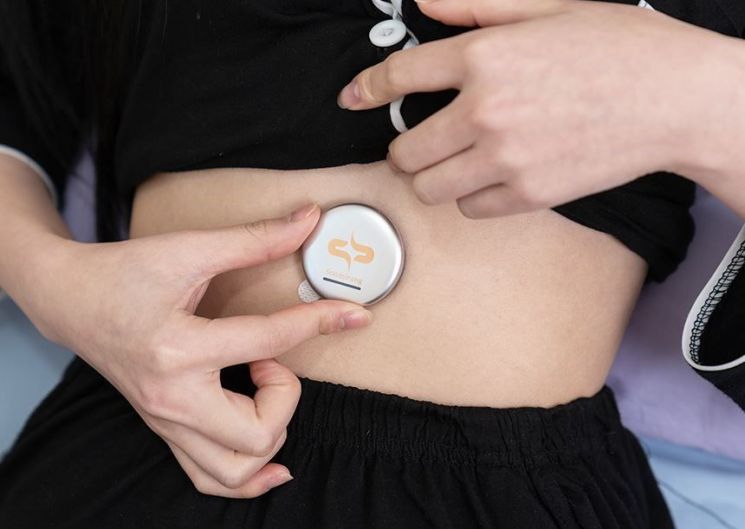
A research team led by Professor Byun Youngjae from the Department of Electrical and Electronic Engineering at UNIST (President Lee Yonghoon) has developed an abdominal attachment-type sleep apnea diagnostic system using an electromagnetic wave-based sensor, now available as a smartphone app. This system can sensitively detect changes in various biomarkers with just a single sensor, and can diagnose sleep apnea with an accuracy of over 91% compared to tests conducted at conventional sleep centers.
By simply attaching the device to the abdomen, users can analyze their sleep data through the smartphone app and self-diagnose sleep apnea. The entire process, from sensor operation to AI-based data analysis, is conducted in real time.
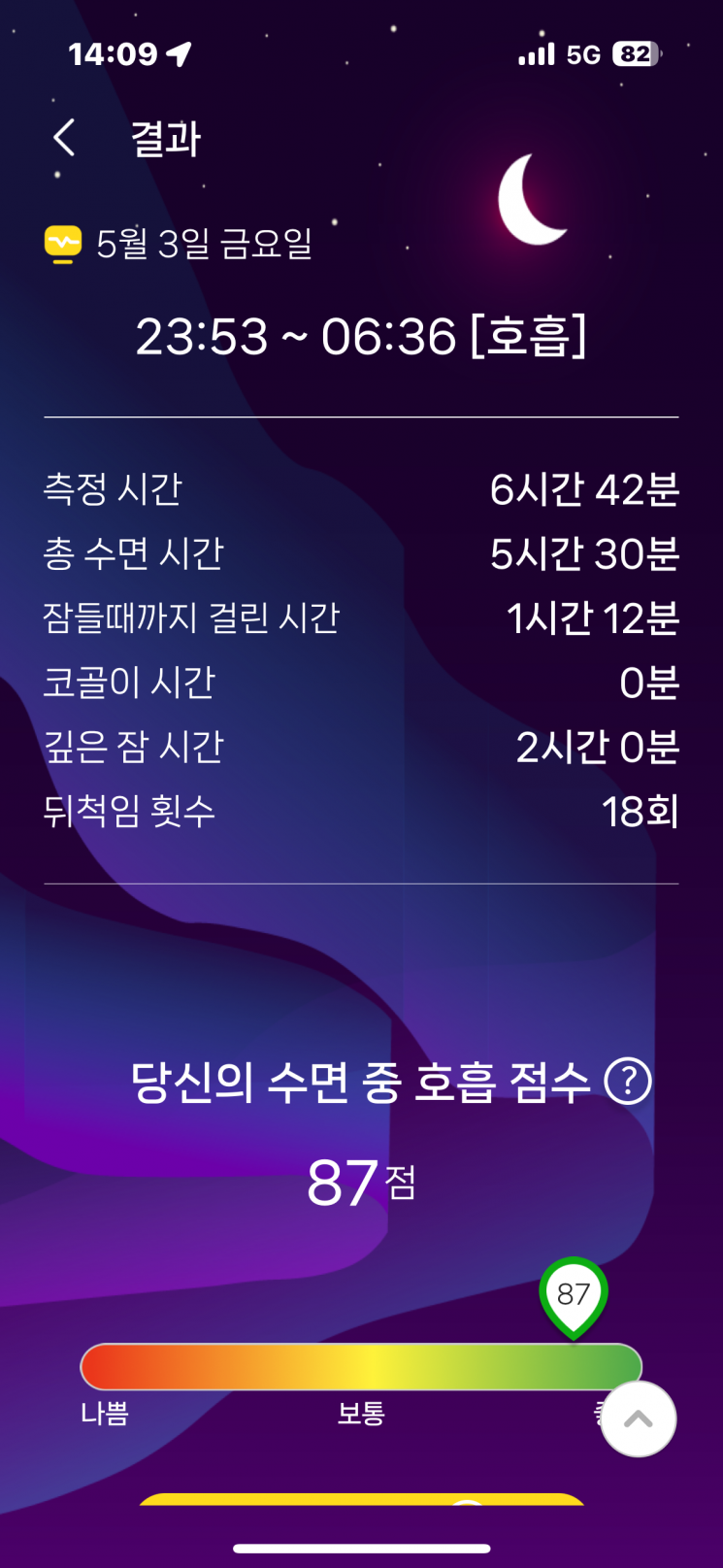
Previously, sleep apnea tests required attaching multiple sensors at a sleep center or hospital and sleeping there, which caused inconvenience and incurred costs for users. Moreover, in Korea, this test is only covered by health insurance once a year, making its use limited.
However, the newly developed abdominal attachment-type diagnostic system is small and lightweight, making it convenient for everyday use. Unlike overseas apps that determine the presence of sleep disorders solely based on recorded sounds during sleep, this system can accurately analyze sleep apnea through the sensor attached to the abdomen, demonstrating its differentiated technological capability.
The research team obtained approval from the Ministry of Food and Drug Safety just seven months after developing this digital healthcare technology. While it typically takes about 18 months to receive approval for diagnostic medical devices, the review process was expedited, and the technology and its potential were recognized by the ministry.
Professor Byun Youngjae stated, "The goal of our research is to improve people's health and quality of life through advanced biosensor technology," adding, "This approval from the Ministry of Food and Drug Safety is an important milestone that certifies our technological capability. Research should not remain in the laboratory; it must be commercialized to truly create the value of science and technology." He emphasized, "We will continue to focus on commercializing our research outcomes."
‘SB Solution’, a UNIST technology startup founded by Professor Byun, is focusing on commercializing a variety of medical devices by jointly developing this technology. In particular, the development of this abdominal attachment-type sleep apnea diagnostic technology is expected to play a significant role in improving public health and enhancing sleep quality.
© The Asia Business Daily(www.asiae.co.kr). All rights reserved.
![Clutching a Stolen Dior Bag, Saying "I Hate Being Poor but Real"... The Grotesque Con of a "Human Knockoff" [Slate]](https://cwcontent.asiae.co.kr/asiaresize/183/2026021902243444107_1771435474.jpg)












