Increasing Complaints About Harassment Through Odors
No Legal Grounds for Sanctions Unlike Sexual Harassment or Power Abuse
In Japanese society, a new slang term that attaches ‘Hara,’ an abbreviation of the English word ‘Harassment,’ is becoming popular. Recently, reports have emerged that more people are complaining about distress caused by harassment involving unpleasant odors. Representative types of harassment causing problems in workplaces recently include ‘Matahara’ (maternity harassment), ‘Pawahara’ (abuse of power), ‘Seku-hara’ (sexual harassment), and ‘Fuki-hara’ (emotional harassment).
On the 2nd, the South China Morning Post (SCMP) reported on the newly emerging workplace harassment in Japan called ‘Sumehara.’ Sumehara combines the Japanese-style pronunciation of the English word ‘smell’ (sume) with ‘hara’ (harassment).
Sumehara refers to acts that cause discomfort to others through odors, such as poor hygiene awareness or excessive use of perfume. Cigarette smell and pet odors are also considered factors that can harass others.
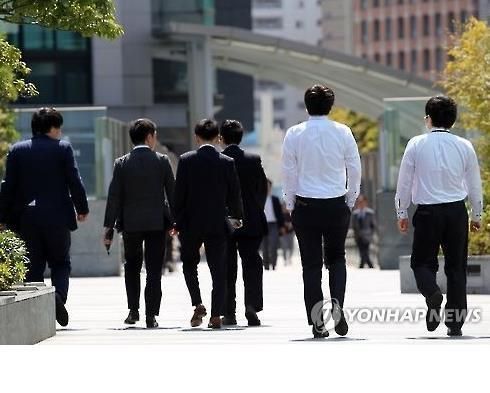
Kaname Murasaki, president of the Japan Harassment Counselors Association, analyzed the emergence of new types of harassment in workplaces by saying, “This is because awareness of harassment has increased and more companies have introduced countermeasures.” As the public begins to recognize the problem and question, ‘Could this also be harassment?’ new types continue to emerge.
In fact, according to a survey conducted by the Japanese cosmetics manufacturer ‘Mandom’ last September targeting 800 men and women aged 20 to 50, 63% of respondents worried about their own odor as face-to-face meetings without masks increased. Additionally, 68% answered that “other people’s odors bother me.”
President Murasaki added, “Unlike sexual harassment and workplace abuse of power, relatively recent types like Sumehara and Fuki-hara have no legal grounds for sanctions,” and “We are raising awareness of these issues through corporate training and encouraging employees to be considerate of those around them.”
Meanwhile, the Japanese Ministry of Health, Labour and Welfare announced the results of a ‘Workplace Harassment Survey’ conducted from December last year to January this year on the 17th of last month. According to the data, the most common type of harassment in the workplace was ‘Pawahara’ (boss abuse of power) at 64%, followed by sexual harassment at 40%, and customer abuse of power ranked third at 28%.
© The Asia Business Daily(www.asiae.co.kr). All rights reserved.

















