HIRA Publishes Third Evaluation Results of Neonatal Intensive Care Units
Number of Beds per Specialist Decreases
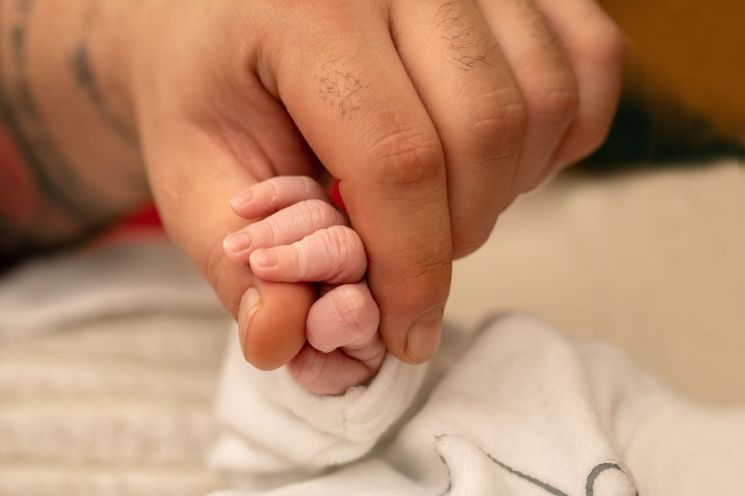
The Health Insurance Review and Assessment Service (HIRA) announced the results of the 3rd evaluation on the appropriateness of neonatal intensive care unit (NICU) medical fees on the 31st. The number of dedicated neonatologists in NICUs at general hospitals and higher-level medical institutions has increased by more than 80 in the past two years. Additionally, due to the aging of mothers and the rise in births of low birth weight and premature infants, the need to manage the quality of medical care in NICUs has grown.
HIRA evaluated a total of 86 hospitals, including 44 tertiary general hospitals and 42 general hospitals, that claimed NICU admission fees between October 2022 and March of last year. Unlike the 2nd evaluation (October 2020 to March 2021), which only assessed patients discharged from the target hospitals, this time the evaluation included all patients who were admitted or currently hospitalized during the period.
Notably, the NICU staffing has changed. The average number of NICU beds per dedicated neonatologist is 8.48 beds, a decrease of 2.18 beds compared to the 2nd evaluation (10.66 beds). This means the number of beds one specialist is responsible for has decreased. The average number of NICU beds per nurse is 0.75 beds, down by 0.03 beds from the 2nd evaluation (0.78 beds).
Regarding the newly added essential cooperative specialties in the 3rd evaluation (pediatric surgery and pediatric cardiology), 26 hospitals (30.2%) had both specialties, while 24 hospitals (27.9%) had neither. Ten hospitals (11.6%) did not meet the minimum bed count requirement of 10 beds.
The overall average score in the 3rd evaluation was 90.71 points. Tertiary general hospitals scored 92.32 points, and general hospitals scored 89.02 points. When classified into grades 1 to 5 based on the total score, 64 hospitals (37 tertiary general hospitals and 27 general hospitals) were rated grade 1. Among these 64 grade 1 institutions, 25 (40%) were concentrated in Seoul, followed by Jeju (1 hospital), Jeolla region, and Gangwon region (2 hospitals each).
In this evaluation, 55.5% of neonates admitted to NICUs were male, and 44.5% were female. By delivery method, 25.7% were vaginal births, and 74.3% were cesarean sections. Additionally, multiple births (twins or more) accounted for 21.1%, and single births for 78.9%. Regarding birth weight, normal weight infants (2,500g or more but less than 4,000g) made up 57.8%, and low birth weight infants (less than 2,500g) accounted for 40.1%. Premature infants born before 37 weeks of gestation comprised 47.8%, with those born before 28 weeks accounting for 2.9%.
Jeon Miju, Director of HIRA’s Evaluation Operations Office, stated, "Due to the aging of mothers and factors such as artificial insemination, the number of low birth weight and premature infants is increasing, so it is necessary to continuously manage the quality of medical care in NICUs."
© The Asia Business Daily(www.asiae.co.kr). All rights reserved.

















