Cooking Methods for Ready-to-Eat Products from Samyang Foods, Ottogi, and Pulmuone
"What should I eat today?"
Whether living alone or with family, a meal is a fundamental concern for modern people. In an era of soaring prices, it is not easy to buy food outside, order in, or gather ingredients and cook at home. Yet, we cannot simply skip meals that come around every day, and eating the same menu repeatedly becomes tiresome. Writer Kim Hoon described this everyday worry in his essay "The Weariness of Earning a Living" as sorrow, stating, "There is no solution for meals. It is not something resolved by eating one or two meals; you must eat when the time comes until the day you die. This is what a meal is. This is what a tedious meal means."
Home Meal Replacements (HMR) are gaining popularity as an option to bridge this gap of concern. They allow people to enjoy restaurant-quality or chef-level menus quickly and conveniently at home at a relatively affordable price. Beyond simply heating or cooking, recently, various unique noodles and sauces have been released to let consumers enjoy some of the joy of cooking. Just as car maintenance follows the manufacturer's manual as a standard, major food companies also provide recipes using their HMR products. We have summarized representative cooking methods recommended by manufacturers to help prepare a unique yet plausible meal.
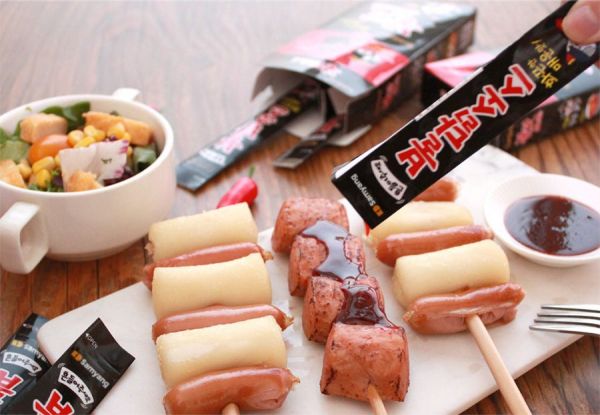
Samyang Foods' 'Buldak Sauce' Riding the Stir-fried Noodle Craze
Samyang Foods' flagship product, Buldak Bokkeum Myun (Hot Chicken Flavor Ramen), has become an essential ingredient for 'modishumers'?consumers who mix various foods to create new dishes according to their tastes?leading to various cooking recipes using it. When customers demanded the sauce be sold separately, Samyang Foods launched the 'Buldak Bokkeum Myun Sauce' as a limited edition in September 2017. After the release, the company's official online mall server crashed due to overwhelming interest, prompting the company to rename it 'Buldak Sauce' and release it as a regular product in December the following year. Currently, the Buldak Sauce lineup includes nine varieties, such as Original and Carbonara. It is sold in over 40 countries worldwide, including Japan, China, and the United States. Sales of Buldak sauces surged from 21.3 billion KRW (domestic 12.9 billion KRW, export 8.4 billion KRW) in 2021 to 38.1 billion KRW (domestic 22 billion KRW, export 16.1 billion KRW) last year.
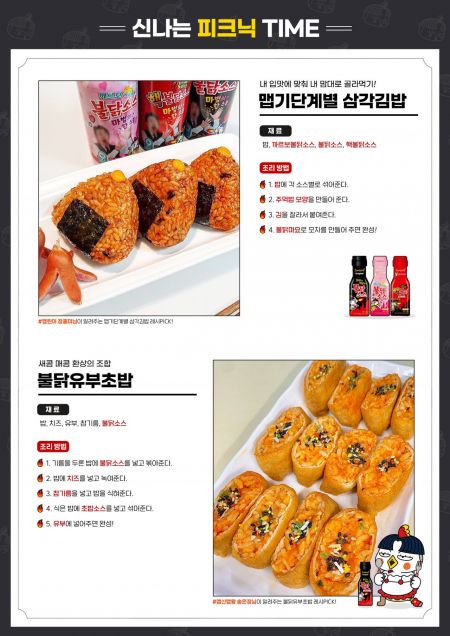
Samyang Foods introduces simple meal recipes created by consumers using Buldak Sauce on its official website. Representative recipes include 'Spicy Level Triangle Kimbap' and 'Buldak Yubu Sushi.' The triangle kimbap ingredients are rice and Carbonara Buldak Sauce, Buldak Sauce, and Nuclear Buldak Sauce. Considering the spiciness, each sauce is mixed with rice, shaped into a rice ball, wrapped with cut seaweed, and topped with Buldak mayo to resemble a hat, completing the dish. For Buldak Yubu Sushi, rice is first stir-fried with Buldak Sauce in an oiled pan, then cheese is added and melted into the rice. Next, sesame oil is added, and the rice is cooled. After cooling, sushi vinegar is mixed into the rice, which is then stuffed into yubu (fried tofu pouches) to finish.
Spicy healthy side dishes can also be made. Sliced eggplant is grilled in a frying pan, then mixed with chopped green onions, minced garlic, one tablespoon each of soy sauce, sesame oil, and Buldak Sauce to create 'Grilled Eggplant Salad with Buldak Sauce.' Another dish is 'Spicy Chicken Breast Stir-fry with Bean Sprouts,' where chicken breast is stir-fried with bean sprouts, enoki mushrooms, onions, and vegetables, then Buldak Sauce is added. Additionally, various recipes using Buldak Sauce for meals, snacks, home parties, and picnics can be found on the website.
OttoGI, Sauce Powerhouse with 391 HMR Recipes
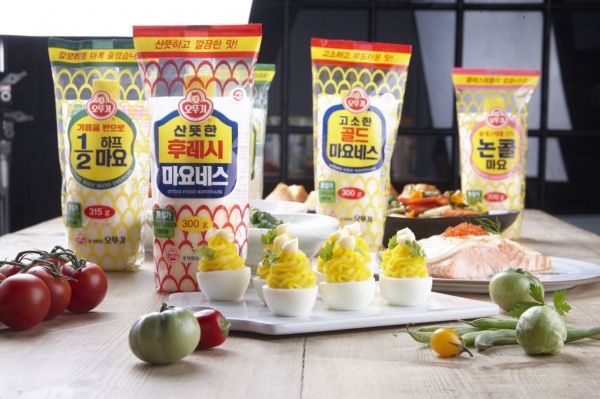
Celebrating its 55th anniversary this year, Ottogi has a solid position not only in HMR such as curry but also in the sauce market. The first domestically launched tomato ketchup in 1971 and mayonnaise in the following year have been loved for over 50 years. Leveraging the technology and know-how accumulated from producing these products, Ottogi continuously expands its sauce lineup to meet diverse consumer needs. In 2020, the company launched the Ottogi recipe website 'O Kitchen' to help consumers create various dishes using Ottogi products. It offers 391 recipes categorized by product type.
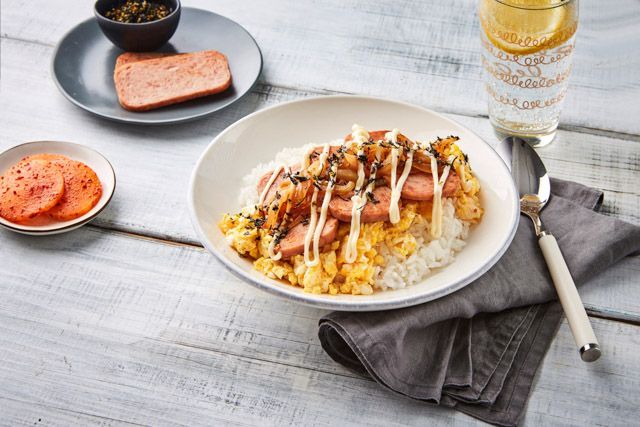
One popular recipe on O Kitchen is 'Ham Mayo Rice Bowl,' loved by all ages. The main ingredients are ham produced by Ottogi, delicious eggs, Ottogi rice, Gold Mayonnaise, and seaweed flakes called Bapchingu. Onion, Lee Kum Kee Panda Soy Sauce (exclusively imported and sold by Ottogi), mirin, and oligosaccharide are also added. Vegetables, ham, and sauces are stir-fried in a pan, then served over warmed rice with scrambled eggs. Mayonnaise and Bapchingu are drizzled on top to finish.
'Tomato Potato Soup' is made by boiling broth with water, anchovy stock, and garlic, adding chopped tomatoes and potatoes, then pouring beaten eggs and seasoning with sesame oil, olive oil, salt, and white pepper. This warm soup can be enjoyed like a soup and pairs well with bread such as baguette or campagne. Other popular recipes include 'Corn Cheese,' made with Ottogi products like sweet corn, mozzarella cheese, and mayonnaise, and 'Tomato Cold Pasta' using tomato puree sauce.
Pulmuone's 'Soy Milk Noodles' Considering Health
Pulmuone's sustainable food brand 'Pulmuone Earth Diet' launched an innovative HMR product, 'Silky Soy Milk Noodles,' in April last year. It is a healthy noodle product following their previous tofu noodles. Made without wheat flour, these alternative noodles use soy milk to create smooth and elastic noodles while providing nutrition. The soybeans are ground and immediately processed into noodles, resulting in a soft and smooth texture. With only 75 kcal, it is suitable for light diet management, offering high dietary fiber (6g) and high calcium (267 mg), according to the company.
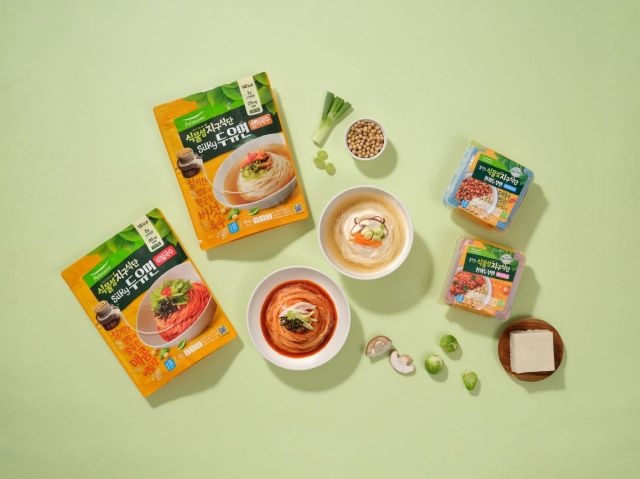
To promote soy milk noodles, Pulmuone also developed a 'Soy Milk Noodle Kit.' This product includes soy milk noodles and plant-based sauces, allowing consumers to enjoy a plant-based meal conveniently. The noodles have a soft texture and require no boiling or rinsing, making preparation easy while maintaining nutritional balance and supporting light diet management. The Soy Milk Noodle Kit lineup has expanded to four types this year, adding 'Silky Soy Milk Noodles Mild Mala Flavor' to the existing Janchi Guksu, Bibim Guksu, and Kong Guksu.
Pulmuone also introduces cooking methods for these products on its official website. For Bibim Guksu, remove the noodle bag, cut a small part, pour water, and cut a diagonal slit about one finger wide at the end to create a 5mm hole to drain water. Squeeze water out through the hole, place noodles in a bowl, add soup and toppings, and mix to complete. For Janchi Guksu, add two soup packets related to broth to boiling water, then add noodles and boil for 30 seconds more. Soy milk noodles can also be used instead of wheat noodles in dishes like Mala Tang, Kong Guksu, Soft Tofu Stew, Bulgogi Hot Pot, Seolleongtang, and Golbaengi Somyeon.
© The Asia Business Daily(www.asiae.co.kr). All rights reserved.



















