Preparation for Ban on Direct Landfilling of Municipal Waste in 2026: Intensive Waste Inspection Targeting 70 Sites Beyond 65 Pre-Registered Businesses from May 10... Identification of Business Waste Generators Required to Report, Including Those Emitting Over 300kg/Day... Administrative Guidance to Ensure Direct or Consigned Waste Treatment Based on Polluter Pays Principle
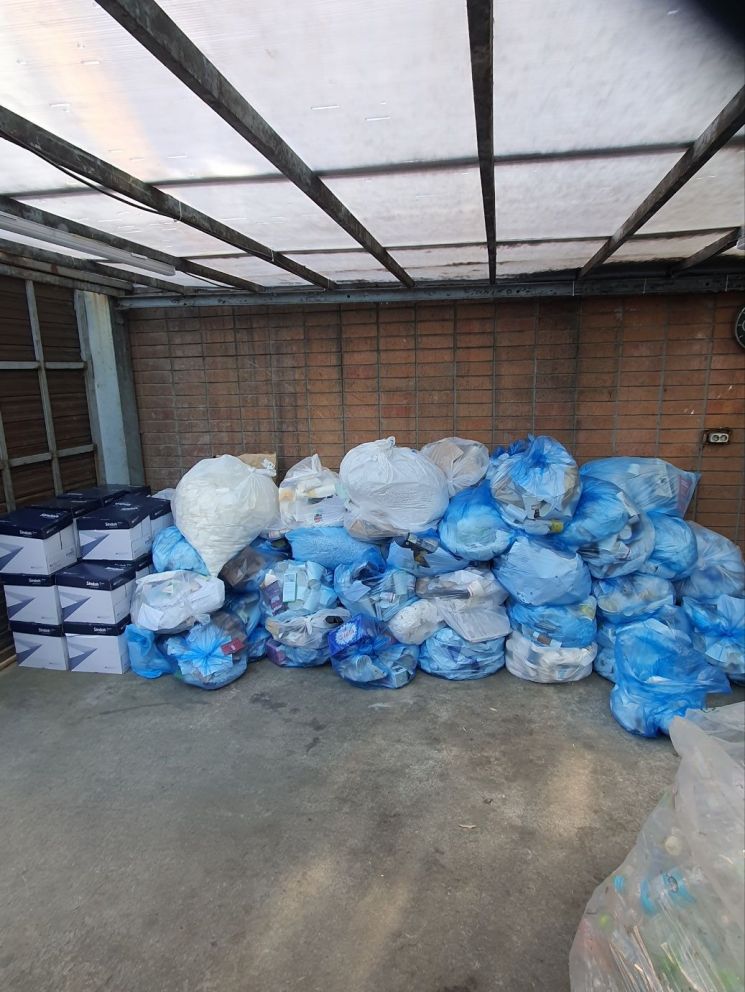
Seongdong-gu, Seoul (Mayor Jeong Wono) has conducted intensive inspections on waste generated by large-scale businesses since May 10th to reduce waste generation ahead of the 2026 ban on direct landfill of household waste.
This inspection aims to establish the polluter pays principle, requiring large-scale businesses to either process waste themselves or outsource its treatment.
According to relevant laws, businesses that ▲ install and operate emission facilities and generate 100kg or more of waste per day ▲ install and operate public wastewater or sewage treatment facilities and discharge 100kg or more per day ▲ generate 300kg or more of waste per day (excluding waste paper, scrap metal, etc.) are required to register as business waste emitters.
Currently, there are a total of 65 large-scale businesses registered as business waste emitters in Seongdong-gu.
Registered businesses are required to process waste either by themselves or through outsourcing. These businesses collectively handle an average of 15,500kg of waste daily, which is collected, transported, and processed by private waste treatment companies.
Seongdong-gu, anticipating that there may be more businesses subject to registration beyond the 65 registered ones, formed a special inspection team (7 groups) on May 10th and launched special inspections on 70 large-scale businesses within the district.
The inspection targets included ▲ 50 air emission facilities ▲ 8 water discharge facilities ▲ 10 medical institutions ▲ 2 businesses generating large amounts of food waste. Administrative guidance was given to 9 of these businesses in June to register as business waste emitters.
Additionally, Seongdong-gu plans to continue inspections of ▲ already registered businesses ▲ disposable diaper waste discharge at medical institutions such as nursing hospitals and elderly care facilities ▲ non-emitting facilities such as schools, to discover additional business waste emitters. For unregistered businesses, the district will encourage self-processing of waste and actively work to reduce waste generation.
Jeong Wono, Mayor of Seongdong-gu, stated, “With the ban on direct landfill of household waste starting in 2026, we are fully committed to reducing the amount of waste generated and increasing recycling rates through thorough sorting. We will strictly manage to ensure that waste emitters bear the responsibility for indiscriminately discharged waste and comply with the principle of self-processing waste.”
© The Asia Business Daily(www.asiae.co.kr). All rights reserved.
![Clutching a Stolen Dior Bag, Saying "I Hate Being Poor but Real"... The Grotesque Con of a "Human Knockoff" [Slate]](https://cwcontent.asiae.co.kr/asiaresize/183/2026021902243444107_1771435474.jpg)
















