Samsung Bioepis' Opufyze, developed as a biosimilar of the ophthalmic drug Eylea, has become the first biosimilar of this product to be approved in the United States.
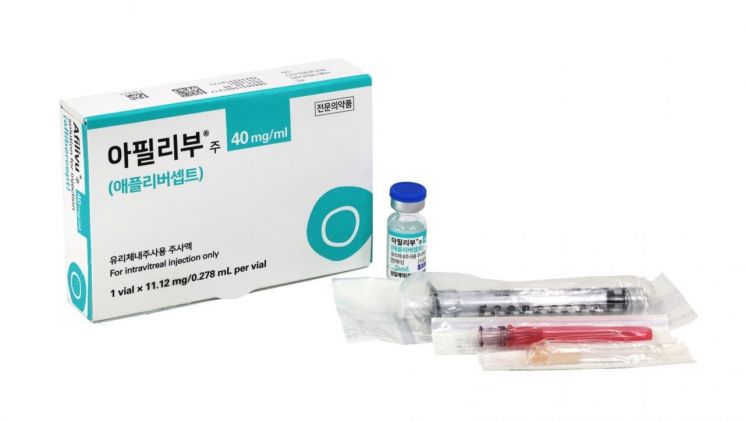 Samsung Bioepis' macular degeneration treatment 'Opdivo (domestic release name Apilibu)' [Photo by Samil Pharmaceutical]
On the 20th (local time), the U.S. Food and Drug Administration (FDA) announced the approval of Opufyze and Yesaphil, developed by India's Biocon Biologics. This marks the first time a biosimilar of Eylea, a global blockbuster drug that generated total sales of 17 trillion KRW last year, has been approved in the U.S. Opufyze was approved and launched in South Korea under the name Aphillibu, and Yesaphil was approved last year in Europe and the UK.
Opufyze is a biosimilar of Eylea, an ophthalmic treatment for macular degeneration and other eye diseases jointly developed by U.S.-based Regeneron and Germany's Bayer. Macular degeneration is considered a leading cause of blindness. Abnormal growth of capillaries in the macula, the central part of the retina, causes blood leakage that adheres to the retina and obstructs vision. Aging is a primary cause, and with the global trend of aging populations, the incidence of this disease is significantly increasing. Global market research firm GlobalData forecasts that the market for macular degeneration treatments in the seven major G7 countries, including the U.S., France, and Germany, will grow from $7.4 billion in 2021 to $27.5 billion (approximately 37.455 trillion KRW) by 2031.
Macular degeneration is treated by regularly injecting drugs such as Eylea, which inhibits new blood vessel formation, or similar mechanism antibody therapies like Lucentis, directly into the eye to suppress disease progression. Eylea recorded sales of $9.36 billion (about 13 trillion KRW) last year, and although Lucentis' sales have sharply declined due to the launch of biosimilars, it still achieved annual sales of $1.475 billion (about 2 trillion KRW). With the approval of Opufyze, Samsung Bioepis now holds a total of six FDA-approved biosimilars, including Bioviz, a Lucentis biosimilar approved and marketed since 2021.
However, the U.S. launch schedule for Opufyze remains uncertain. The original developer, Regeneron, has initiated simultaneous lawsuits against biosimilar developers including Samsung Bioepis, Biocon, Celltrion, Amgen, and Formycon. Regeneron claims that these companies infringed on its patents during the biosimilar development process. Conversely, Samsung Bioepis, Celltrion, and others have filed patent invalidation lawsuits against Regeneron's patents, leading to intense legal battles. Celltrion has also completed all clinical development for CT-P42 and has applied for approval in major global markets including the U.S., South Korea, Canada, and Europe.
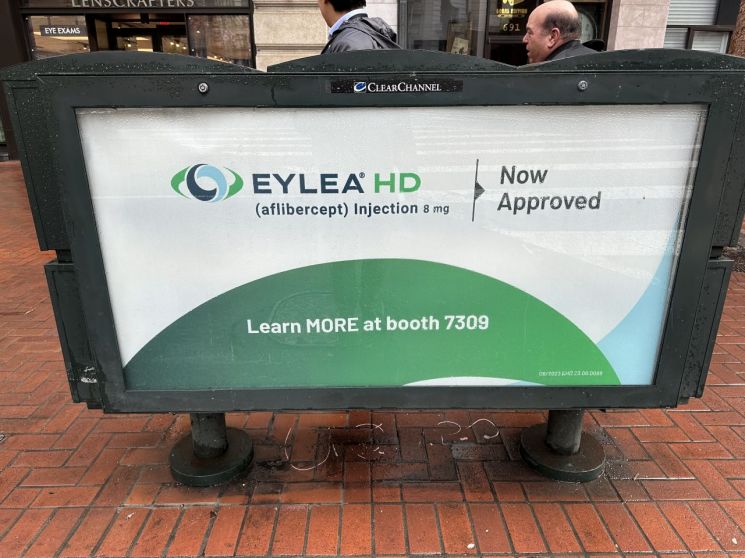
In addition, Regeneron is working to widen the gap by enhancing dosing convenience. They introduced EyleaHD, which contains four times the dose of the key ingredient. Since Eylea requires direct injection into the patient's eye, it is a drug that causes significant fear among patients. By extending the dosing interval from the existing 8 weeks to 16 weeks, the patient’s burden was halved while maintaining efficacy. Just four months after receiving FDA approval in August last year, it achieved sales of $166 million (approximately 225.9 billion KRW) in the U.S.
© The Asia Business Daily(www.asiae.co.kr). All rights reserved.


















