Central Disaster and Safety Countermeasures Headquarters Meeting... "Securing Driving Force" Commitment to Follow-up Measures
Concrete Implementation Plans for Four Major Tasks Including Strengthening Regional Healthcare
"Reviving Collapsing Essential Regional Medical Services to Reduce Disparities"
The government stated that it will "quickly resolve conflicts in the medical field and fulfill its mission for medical system reform." This follows the court's decision the previous day to dismiss and reject the appeal against the 'suspension of execution application for medical school expansion.' The government also announced plans to advance detailed tasks for medical reform.
Lee Han-kyung, the 2nd Chief Coordinator of the Central Disaster and Safety Countermeasures Headquarters for the doctors' collective action and head of the Disaster and Safety Management Headquarters at the Ministry of the Interior and Safety, said at the Central Disaster and Safety Situation Room in the Government Complex Sejong on the morning of the 17th, "Based on the recent court decision, the government has secured momentum to push forward the four major tasks and will accelerate the promotion of medical reform," emphasizing this point.
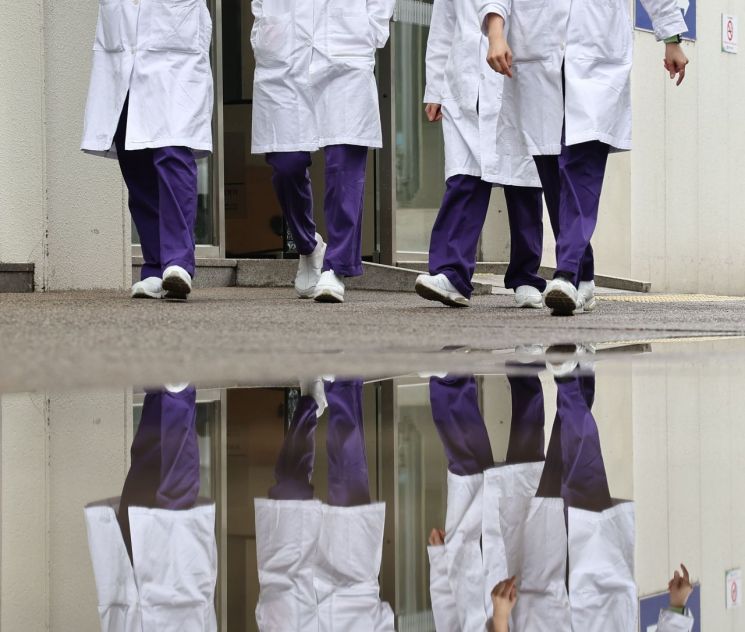
On this day, the government reiterated its commitment to follow-up measures now that the legal foundation for medical reform has been secured. Lee said, "Following the expansion of medical personnel, we will promptly prepare concrete implementation plans for the four major tasks: strengthening regional healthcare, enhancing the safety net for medical accidents, and establishing a fair compensation system." Having overcome the first hurdle of medical reform, the government now intends to speed up the implementation of subsequent tasks.
He added, "We will increase the medical school enrollment quota, which has not been expanded for 27 years, to revive essential regional healthcare and reduce disparities between regions," and explained, "The allocation of the increased medical school quota to regional medical schools outside Seoul is also aimed at addressing the shortage of essential regional medical services."
Regarding the medical community, he once again urged a return to the field. Lee said, "It has been almost three months since the residents left the hospitals," and appealed, "Residents, please listen to the appeals from patient groups and various sectors of society, consider your career paths, and return to the patients' side even now."
He also highlighted the strong public support for medical reform. Lee stated, "According to the public opinion poll on medical school expansion, 72.4% of the public support an increase of 2,000 students, showing continued strong support for medical reform," and promised, "The government will successfully complete medical reform according to the will of the people."
Although medical associations plan to pursue legal action through re-appeal, this also seems difficult. Considering that each university will finalize the increased medical school enrollment by reflecting it in the early admission guidelines by the end of this month, it will be hard to overturn the second trial decision through re-appeal. However, the medical community's absence is expected to continue for the time being. Professors at medical schools nationwide have already announced that if the suspension of execution application is not accepted, they will prepare for a prolonged emergency medical system by adjusting working hours. The National Medical School Professors' Emergency Committee stated that if the medical school expansion is confirmed, they will conduct a one-week strike and then hold a strike once a week.
In particular, residents reportedly have no intention of returning regardless of the appeal decision. Organizations such as the Korean Intern Resident Association are demanding the 'complete cancellation of medical school expansion,' not a 'postponement of expansion,' as a condition for their return. Senior residents who must take the specialist exam are in a slightly different situation. Next week will mark three months since residents left the medical field, and if they do not receive training for more than three months, they will be unable to take the specialist exam next year. In this case, the timing of obtaining specialist qualifications will inevitably be delayed.
© The Asia Business Daily(www.asiae.co.kr). All rights reserved.

















