Lay's Launches Honey Butter Flavor
Inspired by Korea's Beloved Snack
The well-known American potato chip brand Lay's has launched a new product inspired by Korea's Honey Butter Chip.
The U.S. weekend news magazine Parade recently published an article titled "Lay's Expands Lineup with New Flavors Inspired by International Markets." According to the report, Lay's released a new Honey Butter flavor inspired by Haitai's Honey Butter Chip. It is currently being sold at major retailers such as Costco in the United States and Loblaws and Food Basics in Canada. The outlet reported, "Many fans in the U.S. are eager to try this sweet snack now that Honey Butter-flavored potato chips are being released here."
Popular food influencer Candy Hunting also shared news of the new Lay's product launch on Instagram. Candy Hunting stated, "Lay's Honey Butter flavor has been released at Costco," and added, "Honey Butter Chip was first launched in Korea in 2014." The influencer went on to explain, "There was also a snack called 'Happiness Butter Potato Chips' in Japan, but it wasn't popular at the time. In Korea, however, Honey Butter Chip was a huge success and eventually became known worldwide." Candy Hunting further commented, "Ten years after Honey Butter Chip was launched in Korea, Lay's Honey Butter Chips for North America have now been released."
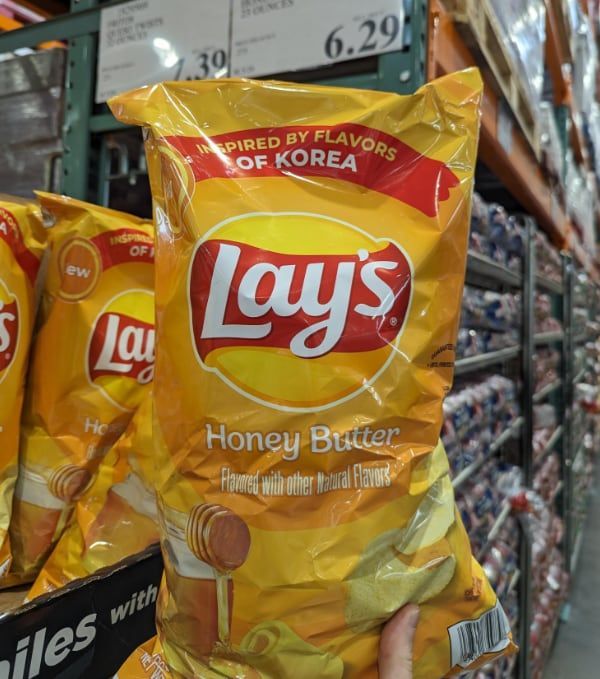
The top of the Lay's potato chip packaging features the phrase "Inspired by the flavors of Korea" in English, while the bottom displays graphics of honey and potato chips. On the exterior of the product sold in Canada, words such as "Honey Butter" and "New Product" are also written in Korean. Upon hearing the news, international consumers responded with comments such as, "I need to go to Costco right away," "I tried Honey Butter Chip in Korea a few years ago, so I hope Lay's tastes good too," "I can't wait to try it," and "I've tried Honey Butter Lay's and it's pretty tasty."
Meanwhile, Honey Butter Chip, which was launched in August 2014, gained immense popularity among consumers with its unique combination of sweetness and saltiness that broke the mold of traditional potato chips. However, supply could not keep up with demand, leading to shortages, and the chips were sometimes sold on secondhand trading sites at more than three times the retail price.
© The Asia Business Daily(www.asiae.co.kr). All rights reserved.

















