Samyang Foods Operating Profit Up O%
Ottogi Also Sees Sales and Operating Profit Growth
Nongshim Operating Profit Down 3.7%
Amid the global popularity of K-ramen, the fortunes of the three major domestic ramen companies?Nongshim, Ottogi, and Samyang Foods?diverged in the first quarter of this year. Samyang Foods, boosted by the 'Buldak Bokkeum Myun Syndrome,' increased its operating profit by more than 200%, continuing its record-breaking streak. Ottogi also succeeded in driving both sales and operating profit by expanding relatively modest overseas exports. On the other hand, Nongshim, the industry leader, saw its operating profit decline due to increased cost burdens.

On the 16th, Samyang Foods announced that its consolidated operating profit for the first quarter reached 80.1 billion KRW, a 235% increase compared to the same period last year. Sales during the same period rose 57% to 385.7 billion KRW. Exports led the explosive growth. Overseas sales amounted to 288.9 billion KRW, an 83% increase from a year earlier. Samyang Foods explained, "Sales surged sharply across all regions, centered on overseas subsidiaries."
In particular, high sales growth rates were recorded in the United States and China. Accelerated entry into major channels such as Walmart and Costco in the U.S., along with the popularity of Carbo Buldak Bokkeum Myun, helped Samyang America achieve sales of 56.5 million USD, a 209.8% increase compared to the same period last year. Samyang Foods Shanghai Co., Ltd., the Chinese subsidiary, recorded sales of 500 million CNY, growing 194% year-on-year. Strengthening online distribution channels and diversifying products such as Yangnyeom Chicken Buldak Bokkeum Myun and Buldak sauce were effective.
As the proportion of overseas sales expanded significantly, operating profit also rose sharply. Consequently, the share of overseas sales in total sales increased from 64% in the first quarter of last year to 75% in the first quarter of this year. Higher profitability compared to domestic sales and foreign exchange gains due to a strong exchange rate were fully reflected in operating profit.
A Samyang Foods official said, "The sharp increase in overseas sales and the foreign exchange gains from the strong exchange rate greatly expanded profitability in the first quarter. In the second quarter, we will continue to strengthen local customized strategies centered on overseas subsidiaries and focus on expanding sales channels to maintain growth."
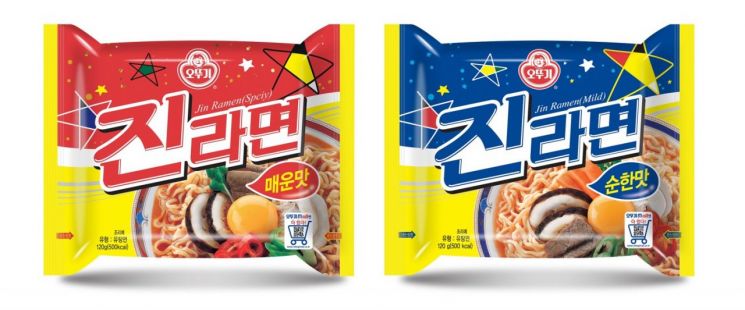
Ottogi also succeeded in driving both sales and operating profit. Its consolidated operating profit for the first quarter was 73.2 billion KRW, an 11.9% increase compared to the same period last year. Sales during the same period rose 3.1% to 883.5 billion KRW. Ottogi’s overseas sales, which lagged behind Nongshim and Samyang Foods, grew 15%, led by ramen, driving overall performance. Additionally, as demand for home-cooked meals increased due to high inflation, sales of convenience foods rose. An Ottogi official explained, "There are no particular issues regarding costs such as selling and administrative expenses, and they are similar to last year’s level."
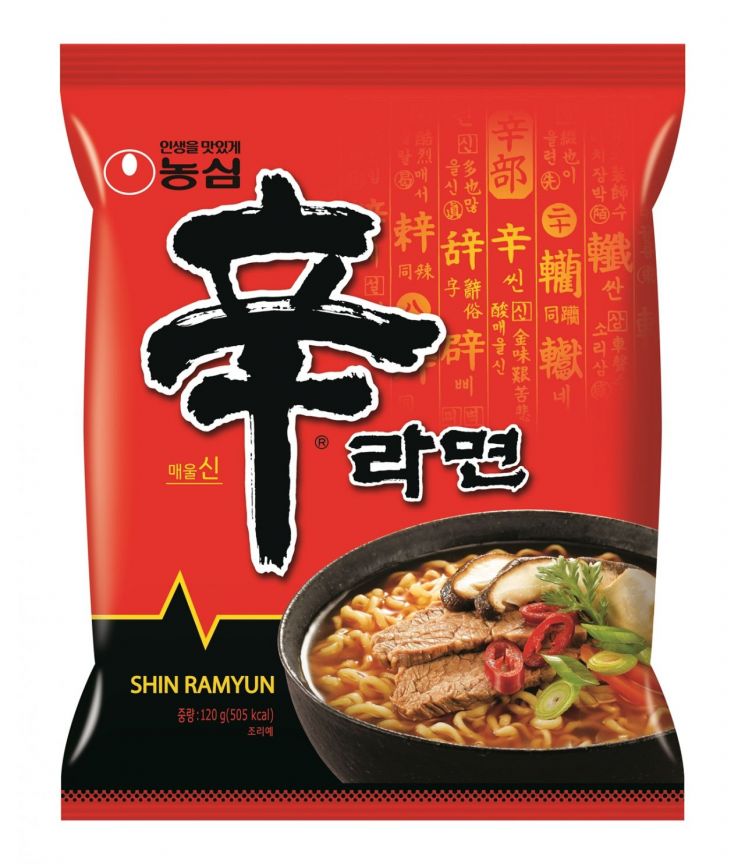
On the other hand, the operating profit of Nongshim, the industry leader, declined. Its consolidated operating profit for the first quarter was 61.4 billion KRW, down 3.7% compared to the same period last year. Sales did not decrease, but only increased by 1.4% to 872.5 billion KRW. Despite K-ramen export value reaching 270.3 million USD (approximately 376 billion KRW) in the first quarter, a 30% increase year-on-year, Nongshim did not appear to benefit significantly.
A Nongshim official said, "Sales increased thanks to growth in domestic and export markets, but operating profit decreased due to rising costs of sales and expenses." Nongshim’s sluggish performance is also linked to a base effect following rapid growth last year. In the first quarter of last year, Nongshim increased product supply by operating its second factory in the U.S., raising sales and operating profit by 16.9% and 85.8%, respectively, compared to the same period the previous year.
Thus, Nongshim faces the challenge of overcoming its slowed growth. Following the U.S. and China, Nongshim is expanding its market channels in Europe. Starting next month, it plans to officially enter France’s top two retailers, Leclerc and Carrefour, by significantly increasing the supply of major ramen and snack products such as Neoguri and Soon Ramen (vegetarian ramen), in addition to the existing Shin Ramyun.
© The Asia Business Daily(www.asiae.co.kr). All rights reserved.



















