Seoul Metropolitan Area Apartment Sale and Jeonse Price Change Rates Maintained Last Week
Need to Monitor Price Movements of Reconstruction Sensitive to Policy Changes
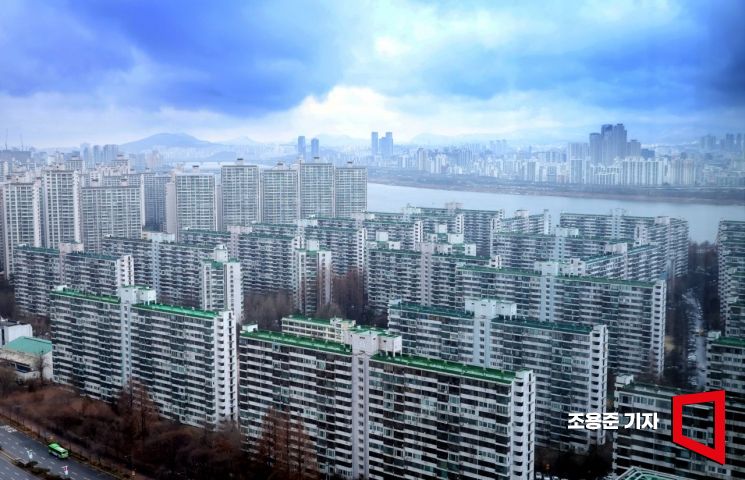
In the second week of May, prices of reconstruction apartments in Seoul rose by 0.01%, marking an upward turn after 10 weeks. Reconstruction targets are old apartment complexes that have been completed for more than 30 years, so purchases are often made with expectations of new homes after reconstruction rather than for actual residential demand. The reconstruction market can be seen as sensitive to economic changes and policy shifts.
On the 11th, Real Estate R114 analyzed this trend and stated, "Since the government-led ‘Special Act on the Maintenance and Support of Old Planned Cities’ came into effect on April 27, it is necessary to monitor price trends to see whether these policy changes will stimulate major old complexes in Seoul and first-generation new towns."
Seoul apartment sale prices remained flat (0.00%) for the eighth consecutive week. However, while prices rose in eight districts of Seoul, only three districts saw declines, indicating a process of bottoming out. Reconstruction prices increased by 0.01%, while general apartments showed no price change. New towns, Gyeonggi, and Incheon also recorded flat prices (0.00%).
In Seoul’s individual areas, Yeongdeungpo (0.03%), Seongdong (0.03%), Mapo (0.03%), Dongjak (0.03%), Yangcheon (0.02%), Eunpyeong (0.01%), Songpa (0.01%), and Guro (0.01%) rose, but Gangnam (-0.02%), Gangseo (-0.01%), and Jungnang (-0.01%) declined. Among reconstruction-targeted apartments, Hanyang in Yeouido-dong, Yeongdeungpo-gu, Mokdong New Town 14 Complex in Sinjeong-dong, Yangcheon-gu, and Sinbanpo 7th Complex in Jamwon-dong, Seocho-gu, increased by 10 million to 25 million KRW.
In new towns, Sanbon (-0.02%) and Bundang (-0.01%) were adjusted downward, while other areas remained flat (0.00%). In Gyeonggi and Incheon, Pyeongtaek (-0.02%) and Uiwang (-0.01%) declined, while Yangju (0.05%) and Incheon (0.02%) rose.
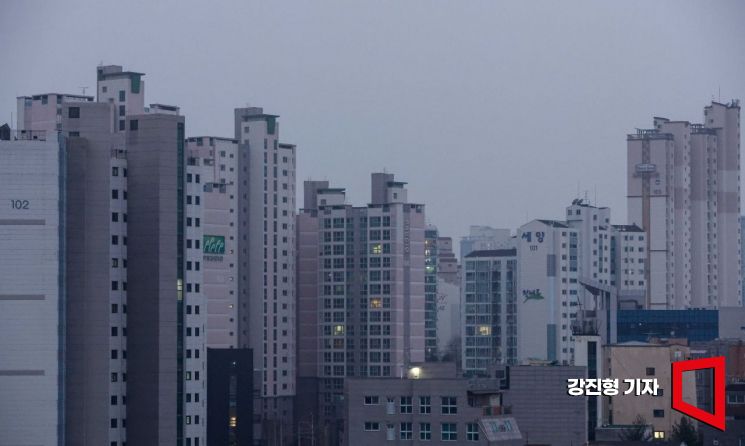
The jeonse (long-term lease) market has continued its upward trend for 10 consecutive months, with Seoul rising by 0.01% and Gyeonggi and Incheon increasing by 0.02%, expanding the rise compared to the previous week (0.01%). However, new towns remained flat (0.00%) this week with limited movement.
In Seoul’s individual areas, prices rose in Gangbuk (0.09%), Guro (0.07%), Gwanak (0.07%), Mapo (0.06%), Dongjak (0.06%), Nowon (0.04%), and Yangcheon (0.03%), highlighting a strengthening trend of jeonse price increases in non-Gangnam and mid-to-low price areas. In new towns, prices increased in Gwanggyo (0.03%) and Bundang (0.01%).
In Gyeonggi and Incheon, no areas saw declines, with rises in Ansan (0.07%), Seongnam (0.07%), Suwon (0.05%), Hwaseong (0.03%), Icheon (0.03%), Goyang (0.03%), and Incheon (0.03%).
A Real Estate R114 official said, "As the jeonse price increase trend continues for nearly a year, the sales market stimulated by this is also showing an increase in transaction volume, gradually expanding the areas with rising prices. However, most areas still remain at flat (0.00%) levels."
He added, "There are many entry barriers to market revitalization, including policy uncertainties after the general election, intensified conflicts over construction costs leading to reluctance in reconstruction contract awards and difficulties with union member contributions, the government’s strengthened household debt management, and the possibility of PF (project financing) defaults. Therefore, even if the price recovery continues, sales prices are expected to move gradually at a 'baby step' level."
© The Asia Business Daily(www.asiae.co.kr). All rights reserved.


















