Chinese Ministry of Commerce: "Substantial Damage to Domestic Industry... Causal Relationship Exists"
China has decided to continue maintaining anti-dumping tariff measures on stainless steel products from South Korea, Japan, the European Union (EU), and Indonesia. Although the World Trade Organization (WTO) ruled that these measures were unfair, China has stated that it will not change the existing measures.
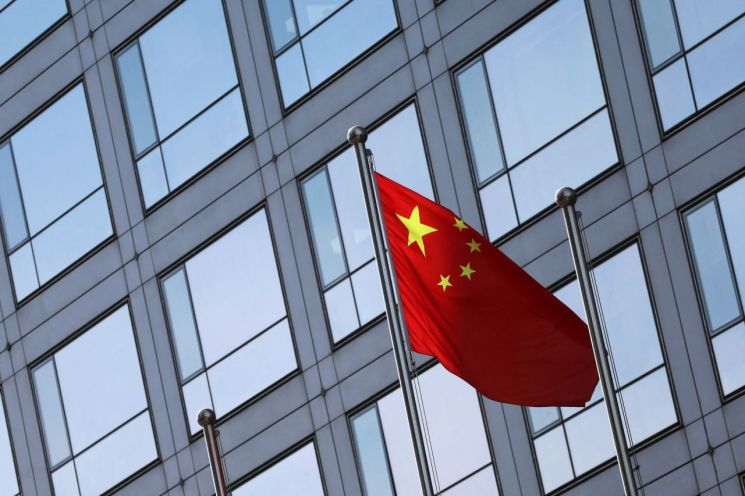
On the 8th, China's Ministry of Commerce announced on its website that "the dumping of imported stainless steel billets, hot-rolled plates, and hot-rolled coils originating from the EU, Japan, South Korea, and Indonesia has caused substantial damage to China's domestic industry, and there is a causal relationship between the dumping and the substantial damage." It added, "The investigating authority has decided to continue the anti-dumping measures in accordance with the Ministry of Commerce's 2019 announcement."
Previously, in July 2019, China's Ministry of Commerce decided to impose anti-dumping tariffs on stainless steel billets, hot-rolled plates, and hot-rolled coils exported by steel companies from South Korea, Japan, and the EU, citing that dumping caused damage to its domestic industry. The tariff rates ranged from a minimum of 18.1% to a maximum of 103.1%, depending on the company.
In relation to this, Japan filed a complaint with the WTO, claiming the measures were unfair. In June of last year, the WTO Dispute Settlement Body ruled in favor of Japan, stating that China failed to prove the damage caused to its domestic industry by imported stainless steel products. This was interpreted as China imposing anti-dumping tariffs without reasonable grounds. Subsequently, China decided to conduct a re-investigation related to the WTO ruling in November of the same year and has been reviewing its previous decision until recently.
At the time China imposed the 2019 anti-dumping tariffs, the Korean company POSCO was exempted from tariffs by negotiating adjustments to the export product prices and quantities.
© The Asia Business Daily(www.asiae.co.kr). All rights reserved.
![Clutching a Stolen Dior Bag, Saying "I Hate Being Poor but Real"... The Grotesque Con of a "Human Knockoff" [Slate]](https://cwcontent.asiae.co.kr/asiaresize/183/2026021902243444107_1771435474.jpg)
















