Closed after controversy over misidentification of perpetrators 4 years ago
Expanded disclosure of criminals including school violence and jeonse fraud
Over 100 posted, including medical student who killed girlfriend
Judicial distrust is the biggest background for the emergence of Digital Gyodoso
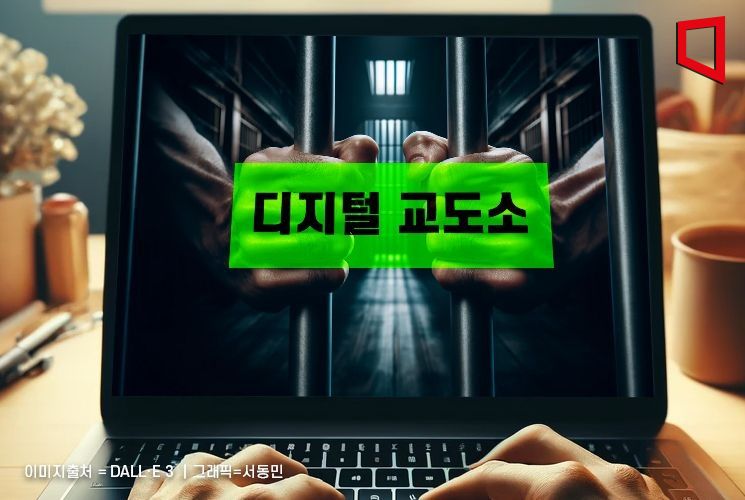
The website 'Digital Prison,' which unlawfully discloses personal information of criminal suspects, has reappeared, sparking controversy. This comes about four years after the first operator was captured in Vietnam and extradited to South Korea, leading to the site's shutdown in September 2020.
The site contains information on individuals whose identities have been confirmed for disclosure, such as Kim Rea, the murderer of a couple in Hwaseong City; Moon Hyung-wook, the operator of the 'Nth Room'; and his accomplice Ahn Seung-jin. Moreover, it also posts real names, photos, and phone numbers of about 100 people, including ordinary citizens like a medical student who allegedly killed his partner on a rooftop in Gangnam, whose charges or identity disclosures have not yet been confirmed, causing further controversy. The operator stated, "I thought now might be the time for Digital Prison to return, so I restored as much of the old data as possible," and introduced plans to "not limit disclosures to sex offenders and murderers but also include criminals involved in school violence, rental fraud, cryptocurrency scams, and more, incarcerating them on this site."
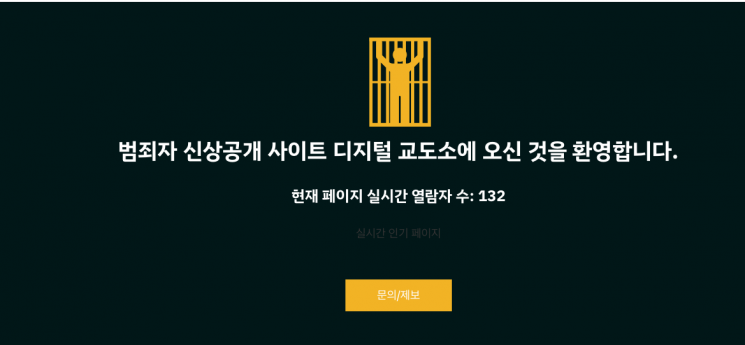 This site contains information not only about those whose identities have been confirmed for disclosure, such as Kim Rea, the murderer of a lover in Hwaseong City, Moon Hyung-wook, the operator of the 'Nth Room,' and his accomplice Ahn Seung-jin, but also about approximately 100 individuals, including ordinary people whose charges or identity disclosures have not yet been confirmed, such as a medical student who killed a lover on the rooftop of a building in Gangnam, with their real names, photos, and phone numbers posted.
 [Photo by Digital Prison]
The primary reason for the emergence of Digital Prison is distrust in the judiciary. The operator satirizes judges who have reduced sentences or acquitted serious criminals by labeling them as 'soft punishers,' claiming they "manipulated human minds to produce absurd rulings," and has also disclosed the identities of such judges. However, there are concerns that such 'private sanctions' can cause serious side effects. In fact, a university student whose identity was revealed on the first Digital Prison site in 2020 took their own life after protesting their innocence. Additionally, controversies continued as an innocent university professor was falsely accused of sexual exploitation and suffered greatly, leading to the site's closure coinciding with the first operator's arrest and imprisonment.
Seemingly aware of these issues, the current Digital Prison operators emphasize that "only those with solid evidence will be incarcerated," but this new site also discloses identities without detailed verification, sometimes stating suspects are "presumed (with certainty)" perpetrators or revealing information about cases closed due to the suspect's death, raising expert concerns that it could produce second and third victims.
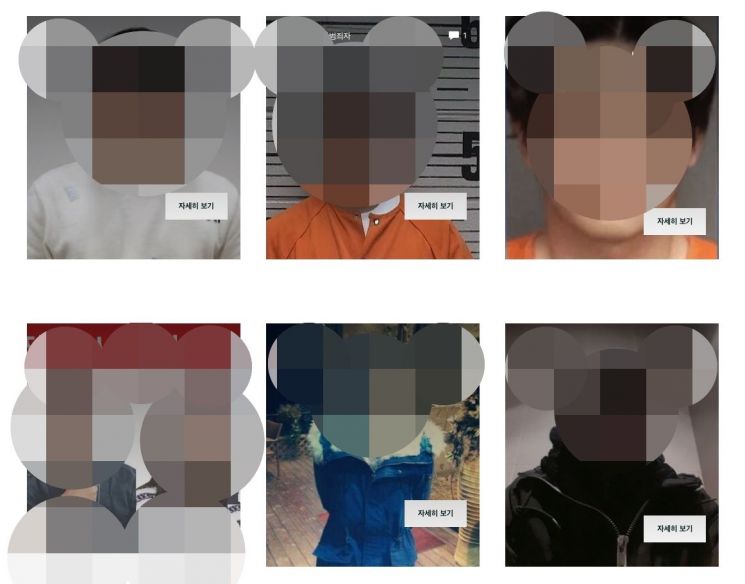 This site has sparked controversy as it posts the real names, photos, phone numbers, and other information of about 100 people, including ordinary individuals whose charges or personal information have not yet been confirmed, such as a medical student who killed his lover on a rooftop in Gangnam.
 [Photo by Digital Kyodoso]
Experts particularly stress that since disclosing others' personal information is not a legal act, society needs to discuss acceptable methods and limits of criticism. Under the Information and Communications Network Act, defamation by stating facts with the intent to slander a person in publications or online spaces can result in imprisonment of up to three years or fines up to 50 million won.
The relationship between the reemerged Digital Prison operators and the first operator remains unclear. The first operator, Mr. A, who was previously arrested and indicted for violating the Personal Information Protection Act and other charges, received a final sentence of four years in prison in December 2021. Considering he was detained since October 2020, it is possible he has already been released on parole.
Netizens have responded to the reappearance of Digital Prison with comments such as "The current South Korean legal system has too many problems, so this (site) is the only hope" and "They chose the path of justice for people despite the risks." On the other hand, opinions are divided with concerns like "What if someone maliciously fabricates and reports information?" and "I'm afraid innocent people might suffer."
© The Asia Business Daily(www.asiae.co.kr). All rights reserved.
![Clutching a Stolen Dior Bag, Saying "I Hate Being Poor but Real"... The Grotesque Con of a "Human Knockoff" [Slate]](https://cwcontent.asiae.co.kr/asiaresize/183/2026021902243444107_1771435474.jpg)


















