Foreign media including AFP reported on the 6th (local time) that far-right parties are expected to gain ground in the upcoming European Union (EU) Parliament elections next month.
The election will be held over four days starting from the 6th of next month across 27 EU countries to elect 720 members of the next European Parliament, with approximately 370 million eligible voters.
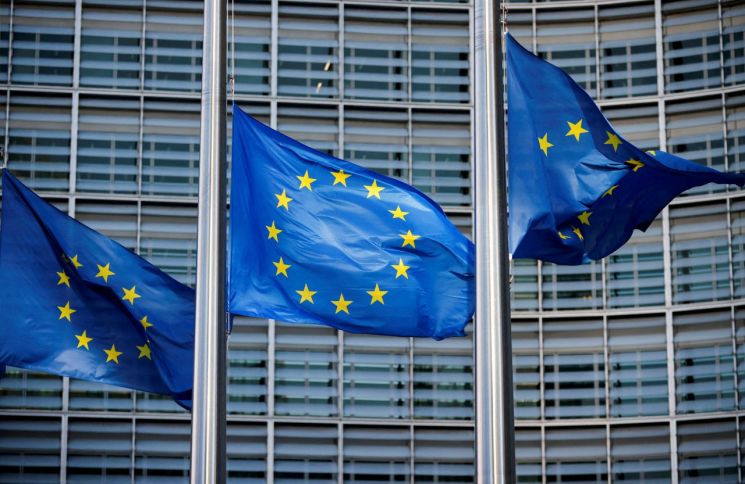
Various polls predict that among far-right political groups, 'Identity and Democracy' (ID) and 'European Conservatives and Reformists' (ECR) will increase their seats by 30 to 50, raising their overall seat share from the current 18% to 22-25% in this election.
In a recent German poll, 22% of voters under the age of 30 said they would vote for the far-right party 'Alternative for Germany' (AfD).
Corina Stratulat, Head of European Politics at the Brussels-based think tank European Policy Centre (EPC), diagnosed that radical populist parties are bridging the widening gap between the mainstream and distrustful voters in the 'age of perpetual crisis,' ranging from the COVID-19 pandemic to the Ukraine war and soaring energy prices.
Currently, in the European Parliament, the center-right European People's Party (EPP) is the largest party, followed by the left-leaning Socialists and Democrats (S&D) and the centrist Renew Europe as the second and third largest parties.
These three major parties, which hold a majority of the seats, have been compromising and cooperating to pass necessary legislation.
Even if these parties lose seats in next month's European Parliament election, it is expected that they will maintain a majority.
In the early general election in Portugal last March, the far-right populist party Chega (meaning 'Enough now') secured 18.1% of the vote, nearly three times the share it won in the 2022 general election, maintaining its position as the third-largest party in the parliament.
Germany's AfD elected its first candidate in a city mayoral election in December last year. In the early general election in the Netherlands last November, the far-right Freedom Party (PVV), which promised a tough anti-immigration policy, won a landslide victory.
© The Asia Business Daily(www.asiae.co.kr). All rights reserved.
![Clutching a Stolen Dior Bag, Saying "I Hate Being Poor but Real"... The Grotesque Con of a "Human Knockoff" [Slate]](https://cwcontent.asiae.co.kr/asiaresize/183/2026021902243444107_1771435474.jpg)
















